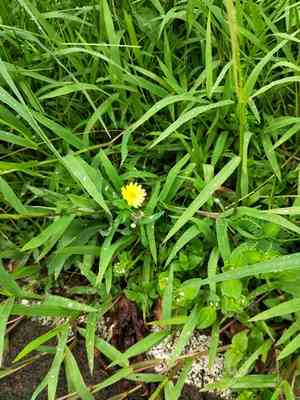
Yellow bristle-hair ixeris (Ixeris chinensis)
Also known as: Chinese Ixeris
The yellow bristle-hair ixeris (Ixeris polycephala) is a creeping shrub native to certain regions. Recent research indicates that it can pose a significant threat to nearby agricultural crops by harboring "peanut witches' broom phytoplasma (PnWB)," a disease that severely impacts agricultural productivity. This makes controlling its growth near crop fields crucial to preventing the spread of this harmful pathogen.
In This Article
Attributes of Yellow bristle-hair ixeris
Lifespan
Perennial
Plant Type
Herb
Plant Height
5 cm to 47 cm
Spread
Approximately 20-30 cm
Leaf Color
Green
Flower Size
2-3 cm
Flower Color
White Yellow
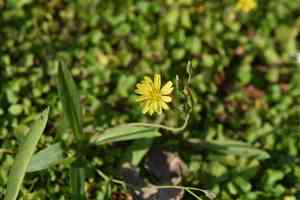
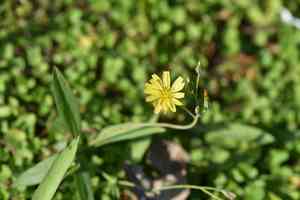
Images of Yellow bristle-hair ixeris
Quickly Identify Yellow bristle-hair ixeris
1
To identify Ixeris chinensis, look for its bright yellow, daisy-like flowers with numerous slender petals, and its basal rosette of lanceolate leaves. The plant often grows in clusters and has a milky latex when cut.
Scientific Classification of Yellow bristle-hair ixeris
Phylum
Vascular plants
Class
Dicotyledons
Order
Asters bellflowers fanflowers and allies
Family
Daisy
Genus
Ixeris
Species
Yellow bristle-hair ixeris
Planting and Growing of Yellow bristle-hair ixeris
Care Difficulty
Easy
Watering Schedule
Every 2 days
Sunlight Requirements
Partial sun
Sunshine Duration
4-6 hours
Ideal Temperature
68-77℉
Soil Type
Potting Mix, Peat Mix
Soil pH
6.5-7.5
Fertilizer Type
Balanced
Pruning Season
Spring, Summer
Pruning Area
Branches, Leaves
Pruning Frequency
2 times a year
Repotting Season
Spring
Pot Type
Plastic, Ceramic
 How to Water Yellow bristle-hair ixeris?
Ixeris chinensis, like many other herbaceous plants, requires a moderate amount of water. Each watering session should aim to moisten the soil adequately without waterlogging it, approximately 200 ml at a time. Ensure the soil remains moist to the touch but not soggy, following the principle of allowing the top inch of soil to dry out before re-watering.
What are the symptoms of an underwatered Yellow bristle-hair ixeris?
›
What should I do if my Yellow bristle-hair ixeris is not getting enough water?
›
What are the symptoms of an overwatered Yellow bristle-hair ixeris?
›
How to save an overwatered Yellow bristle-hair ixeris?
›
 What Are the Sunlight Requirements for Yellow bristle-hair ixeris?
Ideal light range for Ixeris chinensis is partial sun. This promotes healthy growth, supports flowering, and sustains overall plant health without the risk of sunburn associated with direct sunlight.
What is the ideal light range?
›
How to achieve ideal light conditions?
›
Benefits of ideal lighting?
›
 What Is the Ideal Temperature Range for Yellow bristle-hair ixeris?
The optimal growing temperature for Ixeris chinensis is between 68°F and 77°F. Within this range, the plant can efficiently conduct photosynthesis, leading to healthy growth and vibrant foliage. This temperature range also ensures that the enzymatic activities within the plant function at their peak, contributing to nutrient uptake and overall health.
 What Soil is Best for Yellow bristle-hair ixeris?
Ixeris chinensis thrives in well-drained soil, which helps prevent root rot and ensures ample air circulation. This soil condition provides the plant with the ideal environment for healthy root growth, facilitating nutrient uptake. This plant benefits from soil rich in organic matter, supporting its rapid growth and vibrant foliage. Such soil improves nutrient availability, fostering lush leaves and robust overall plant health. While Ixeris chinensis prefers well-drained soil, it also requires adequate moisture retention to maintain consistent growth. This balance ensures the plant receives ample water supply, especially during dry periods, enhancing its resilience.
 How to Fertilize Yellow bristle-hair ixeris?
For Ixeris chinensis, a balanced fertilizer with an N-P-K ratio of 10-10-10 is ideal. The liquid fertilizer should be diluted to half strength to prevent damage. Apply approximately 250ml of this diluted solution per plant, ensuring the soil is moist before application to aid absorption and prevent root burn.
 How to Prune Yellow bristle-hair ixeris?
Always use sharp and sterilized pruning shears when trimming Ixeris chinensis to prevent infections. Dull or dirty tools can harm the plant and introduce pests or diseases. Remember to clean your tools with rubbing alcohol before and after each use. The optimal time for pruning Ixeris chinensis is during the early morning or late afternoon. Avoid pruning in the middle of the day when the sun is at its peak, as the plant may experience stress. Early spring and early summer are the best seasons to undertake significant pruning tasks.
More About Pruning Techniques→
 How to Propagate Yellow bristle-hair ixeris plant?
1
Prepare a seed tray with a well-draining potting mix. Place the seeds on the surface and cover them lightly with soil. Keep the soil consistently moist but not waterlogged until germination occurs.
2
Carefully dig up the mature Ixeris chinensis and gently shake off the excess soil. Using a sharp knife, divide the plant into smaller sections, ensuring each section has roots and leaves. Replant divisions promptly in prepared soil.
3
After planting seeds or divisions, place them in a location with indirect sunlight and maintain consistent moisture in the soil. Gradually increase their exposure to direct sunlight as they establish.
 How to Repot Yellow bristle-hair ixeris plant?
1
Ixeris chinensis needs repotting when you notice roots protruding from the drainage holes, or the plant appears stunted despite adequate care. These indicators suggest that the roots have outgrown their current confines, needing more space to thrive. Opt for repotting in spring or early summer when the plant is actively growing, as this will help it recover faster and adjust to the new environment quicker.
2
Select a pot that is 1-2 inches larger in diameter than the current one to allow room for growth. It's crucial to ensure the pot has adequate drainage holes to prevent water-logged soil, which can lead to root rot. A pot made from porous material, like terracotta, can help regulate soil moisture better, benefiting the overall plant health by allowing excess moisture to evaporate.
3
Opt for a well-draining, loamy soil mix, ideally enriched with organic matter. This type of soil provides good aeration, ensuring excess water flows away from the roots, preventing rot. Moreover, the organic matter enriches the soil, supplying essential nutrients to support healthy growth in Ixeris chinensis, helping it establish firmly in its new environment.
Learn More About Yellow bristle-hair ixeris Diseases
Anthracnose
Bacterial Leaf Spot
Bacterial Soft Rot
Bacterial Wilt
Chemical Injury
Damping-off
Downy Mildew
Drought Stress
Fusarium Wilt
Gray Mold
Leaf Spot
Mosaic
Nutrient Deficiency
Nutrient Toxicity
Powdery Mildew
Root Rot
Root-knot Nematode
Rusts
Sooty Mold
Spider Mites
Temperature Stress
Thrips Damage
White Mold



