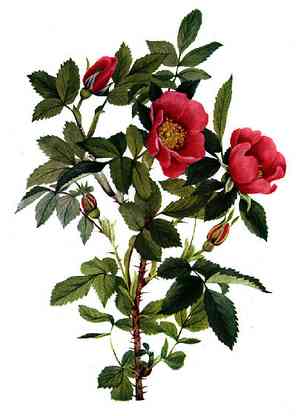
Gordon's ivesia (Ivesia gordonii)
Also known as: Gordon's mousetail, Gordon’s ivesia
Ivesia gordonii, also known as Gordon's ivesia, is a summer-blooming herbaceous perennial characterized by its clusters of lemon-yellow flowers. It typically thrives in rocky mountain areas of the northwestern United States.
In This Article
Attributes of Gordon's ivesia
Lifespan
Perennial
Plant Type
Herb, Shrub
Plant Height
5 cm to 20 cm
Spread
Not applicable
Leaf Color
Green
Flower Size
0.5-1 cm
Flower Color
Yellow
Images of Gordon's ivesia
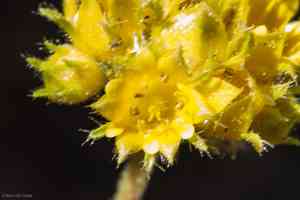
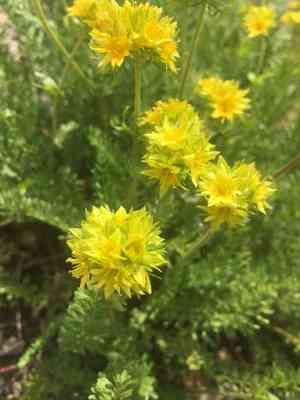
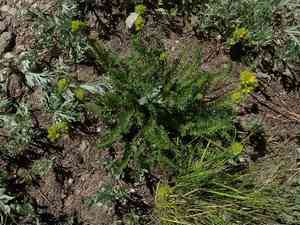
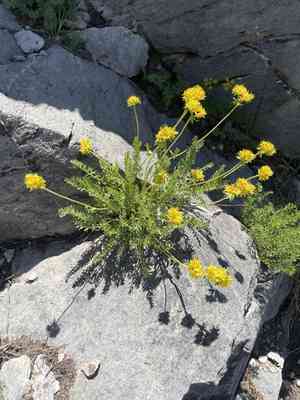
Quickly Identify Gordon's ivesia
1
Identifying Ivesia gordonii involves looking for its hairy, slender stems with finely dissected, fern-like leaves and small, yellowish flowers typically arranged in dense clusters.
Scientific Classification of Gordon's ivesia
Phylum
Vascular plants
Class
Dicotyledons
Order
Rosales
Family
Rose
Genus
Mousetails
Species
Gordon's ivesia
Planting and Growing of Gordon's ivesia
Care Difficulty
Hard
Watering Schedule
Every 2 days
Sunlight Requirements
Full sun
Sunshine Duration
4-8 hours
Ideal Temperature
60-75℉
Soil Type
Potting Mix, Peat Mix
Soil pH
6.5-7.5
Fertilizer Type
Balanced
Pruning Season
Spring, Summer
Pruning Area
Branches, Leaves
Pruning Frequency
2 times a year
Repotting Season
Spring
Pot Type
Plastic, Terracotta
 How to Water Gordon's ivesia?
Ivesia gordonii should be watered thoroughly but infrequently. When watering, ensure the soil is completely soaked to a depth of about 10-15 cm, which typically requires around 250 ml of water per session. Allow the soil to dry out completely between waterings to mimic its natural arid environment.
What are the symptoms of an underwatered Gordon's ivesia?
›
What should I do if my Gordon's ivesia is not getting enough water?
›
What are the symptoms of an overwatered Gordon's ivesia?
›
How to save an overwatered Gordon's ivesia?
›
 What Are the Sunlight Requirements for Gordon's ivesia?
Ivesia gordonii flourishes best in full sun to partial sun, benefiting from consistent sunlight that supports vigorous growth and flowering.
How much sunlight does Ivesia gordonii need?
›
What solutions can help achieve ideal light conditions?
›
What are the benefits of ideal sunlight for this plant?
›
 What Is the Ideal Temperature Range for Gordon's ivesia?
Ivesia gordonii thrives best in temperatures ranging from 60°F to 75°F. This range provides optimal conditions for photosynthesis, growth, and overall plant health. Maintaining this range ensures that the plant can maximize nutrient uptake and produce vibrant foliage.
 What Soil is Best for Gordon's ivesia?
Ivesia gordonii thrives in well-drained soil. This requirement helps prevent root rot, a common issue in waterlogged soils. Ensuring the soil drains properly allows the roots to breathe and function efficiently, promoting healthy plant growth and vibrant foliage. For optimal growth, nutrient-rich soil is essential for Ivesia gordonii. Such soil provides the necessary vitamins and minerals the plant needs to develop strong roots and lush greenery. Regularly enriching the soil with organic matter and balanced fertilizers can help meet these nutrient needs. This plant prefers soil that retains some moisture but does not stay wet for long periods. This balance in moisture retention helps maintain an ideal environment for root health, reducing the need for constant watering and preventing potential root-related diseases.
 How to Fertilize Gordon's ivesia?
For Ivesia gordonii, it is recommended to use a balanced, all-purpose fertilizer at a quarter-strength concentration. Apply liquid fertilizer sparingly, as over-fertilization can harm the plant’s roots. Approximately use one teaspoon of diluted liquid fertilizer per gallon of water, ensuring it reaches the plant's root zone.
 How to Prune Gordon's ivesia?
For Ivesia gordonii, use clean, sharp scissors or garden shears. First, remove any dead or damaged leaves to prevent disease spread. Trim back any leggy or overgrown stems to maintain an attractive and compact shape. Doing this regularly helps to promote new growth and can enhance the plant's blooming potential.
More About Pruning Techniques→
 How to Propagate Gordon's ivesia plant?
1
Gather mature seeds from the Ivesia gordonii plant. Ensure that the seeds are clean and dry to improve germination rates. Store them in a cool, dry place until sowing.
2
Create a well-draining soil mix by combining equal parts of perlite, sand, and peat. This mixture helps retain the right amount of moisture without becoming waterlogged, ideal for seed and cutting propagation.
3
Select healthy stems from the parent plant and use sharp shears to cut 4-6 inch sections. Remove the lower leaves to expose nodes, which will stimulate root growth when planted.
 How to Repot Gordon's ivesia plant?
1
Ivesia gordonii needs repotting when its roots outgrow the current pot, indicating their readiness by protruding through drainage holes or visibly compacting the soil. This usually happens every 1-2 years, ideally during Spring or Autumn when the plant is most resilient to change.
2
Select a pot that is 1-2 inches wider in diameter than the current one to accommodate future growth. Ensure the pot has ample drainage holes to prevent waterlogging, a crucial feature for Ivesia gordonii which thrives in dry conditions. The appropriate pot size will facilitate air circulation and assist in maintaining optimal soil moisture levels.
3
Opt for a well-draining, sandy mix that mimics the plant's natural rocky habitat. This type of soil prevents root rot by allowing excess water to escape efficiently. A sandy mix provides enough aeration for the roots, helping them to absorb nutrients effectively, while also contributing to the structural stability of this delicate plant.
Learn More About Gordon's ivesia Diseases
Anthracnose
Bacterial Leaf Spot
Bacterial Soft Rot
Bacterial Wilt
Chemical Injury
Crown Gall
Cyst Nematode
Damping-off
Downy Mildew
Drought Stress
Fusarium Wilt
Gray Mold
Leaf Spot
Mosaic
Nutrient Deficiency
Nutrient Toxicity
Powdery Mildew
Root Rot
Root-knot Nematode
Rusts
Sooty Mold
Spider Mites
Temperature Stress
Thrips Damage
White Mold



