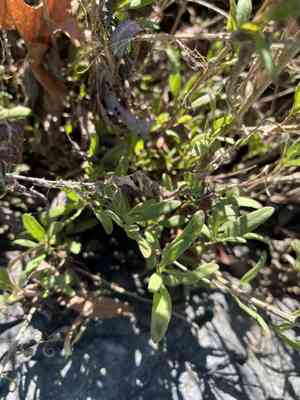
Marsh elders (Iva) (Iva)
Also known as: Marsch Elder, Poverty Weed
Marsh elder plants are herbaceous annuals native to North America. Historically, certain species were utilized by Native Americans in Missouri and Illinois as a food source before maize cultivation became widespread. Despite their historical significance, these plants can trigger allergies and emit an unpleasant odor. In modern landscaping, marsh elders are often employed as border plants or in hedges.
In This Article
Attributes of Marsh elders (Iva)
Lifespan
Perennial
Plant Height
0.5 to 1.5 meters
Spread
0.5 to 1 meter
Leaf Color
Green
Flower Size
Less than 1 cm
Flower Color
Greenish
Images of Marsh elders (Iva)
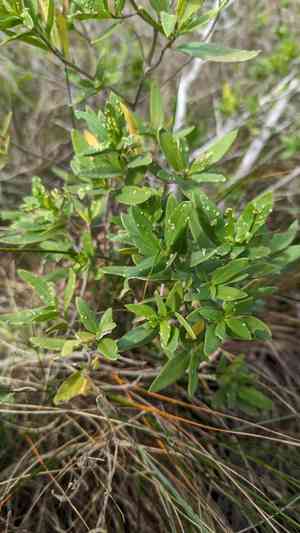
Quickly Identify Marsh elders (Iva)
1
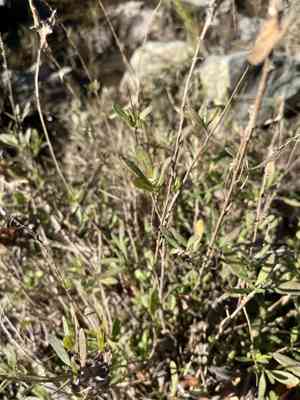
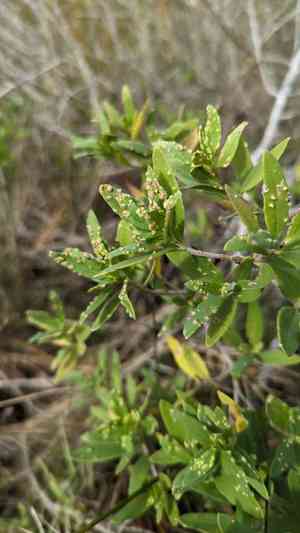
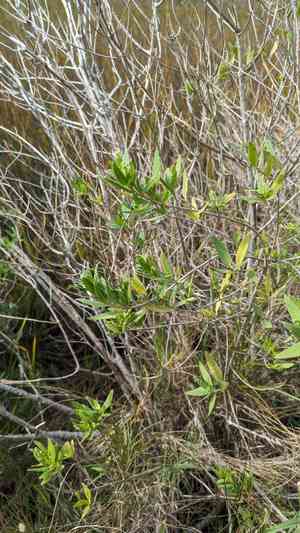
Iva plants can be identified by their opposite leaves which are often lance-shaped and toothed. They typically produce small, greenish flowers that are arranged in spike-like clusters.
Scientific Classification of Marsh elders (Iva)
Phylum
Angiosperms
Class
Magnoliopsida
Order
Asterales
Family
Asteraceae
Genus
Iva
Planting and Growing of Marsh elders (Iva)
Care Difficulty
Moderate
Watering Schedule
Every 3 days
Sunlight Requirements
Full sun
Sunshine Duration
6-12 hours
Ideal Temperature
60-75℉
Soil Type
Potting Mix, Peat Mix
Soil pH
6.5-7.5
Fertilizer Type
Balanced
Pruning Season
Spring, Summer
Pruning Area
Branches, Leaves
Pruning Frequency
2 times a year
Repotting Season
Spring
Pot Type
Plastic, Ceramic
 How to Water Marsh elders (Iva)?
Each time you water the Iva plant, aim for about 200 milliliters. The goal is to moisten the soil thoroughly but avoid waterlogging. It's important to let the top inch of soil dry out between waterings. This prevents root rot and ensures that the plant is receiving the right amount of moisture to thrive.
What are the symptoms of an underwatered Marsh elders (Iva)?
›
What should I do if my Marsh elders (Iva) is not getting enough water?
›
What are the symptoms of an overwatered Marsh elders (Iva)?
›
How to save an overwatered Marsh elders (Iva)?
›
 What Are the Sunlight Requirements for Marsh elders (Iva)?
Iva prospers under full to partial sun, strengthening its photosynthesis capabilities and supporting its lush growth and resilience.
What is the best time to place Iva under sunlight?
›
How can I achieve ideal lighting conditions for Iva indoors?
›
What are the benefits of providing ideal lighting conditions for Iva?
›
 What Is the Ideal Temperature Range for Marsh elders (Iva)?
The ideal temperature range for Iva plants typically lies between 60°F and 75°F. These conditions facilitate optimal photosynthesis and growth. At this temperature range, the plant can efficiently manage its physiological processes, ensuring proper hydration and nutrient uptake. This range is crucial for maintaining the structural integrity and general health of the plant.
 What Soil is Best for Marsh elders (Iva)?
Iva thrives best in well-drained soil that prevents waterlogging, which can lead to root rot. Such soil allows excess water to drain away, ensuring that roots remain healthy and oxygenated, promoting vigorous growth and robust health for the plant. Iva prefers moderately fertile soil to maintain optimum growth. An overabundance of nutrients isn't necessary; rather, soils should contain balanced nutrition, which supports steady growth without excessive vegetative or root production. Loamy soils, with their ideal combination of sand, silt, and clay, provide the consistent texture that Iva appreciates. This balance ensures that the roots can penetrate easily while holding onto essential moisture and nutrients.
 How to Fertilize Marsh elders (Iva)?
When it comes to fertilizing Iva, moderate amounts are key. Use about half of the recommended amount of a balanced liquid fertilizer, such as a 10-10-10, to avoid overwhelming the plant. A teaspoon of slow-release granules per square foot yearly can also suffice, mixing it into the top two inches of the soil.
 How to Prune Marsh elders (Iva)?
Start by removing any dead, diseased, or damaged stems to prevent the spread of pests or diseases. Use clean, sharp scissors or pruning shears to avoid tearing the plant tissue. After addressing damaged parts, focus on shaping the plant by cutting back overgrown branches or stems. Aim for a balanced look while maintaining the plant's natural shape.
 How to Propagate Marsh elders (Iva) plant?
1
Choose a well-drained potting mix. Lightly moisten the soil to ensure it is ready for seed sowing or cutting insertion.
2
Plant seeds in a seed tray at a depth twice the seed's diameter. Maintain constant moisture and warmth for successful germination.
3
Cut a 4-6 inch section of stem from the plant, remove lower leaves, and dip the cut end in rooting hormone before planting.
 How to Repot Marsh elders (Iva) plant?
1
It's time to consider repotting your Iva when you notice roots protruding from the drainage holes or the soil dries out rapidly after watering. These are clear indicators that the plant has outgrown its current pot. Typically, the best time to repot Iva is during its growing seasons, spring or summer, when the plant is most resilient and can quickly establish itself in fresh soil.
2
When selecting a pot for your Iva, opt for one that is only slightly larger than its current container, perhaps 1-2 inches in diameter larger. This allows ample space for root expansion without overwhelming the plant. A pot with adequate drainage holes is crucial to avoid waterlogging, which can lead to root rot and various fungal issues.
3
Choose a well-draining potting mix rich in organic matter for your Iva. A mix that includes ingredients like perlite or sand will help prevent water retention, ensuring the roots attain sufficient oxygen and reducing the risk of root rot. This kind of soil composition supports robust growth and vibrant foliage.
Toxicity
Ingestion
WARNING
The judgment on toxicity and danger is for reference only. We DO NOT GUARANTEE any accuracy of such judgment. Therefore, you SHALL NOT rely on such judgment. It is IMPORTANT TO SEEK PROFESSIONAL ADVICE in advance when necessary.

