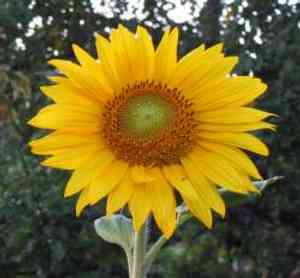
Piedmont marsh elder (Iva microcephala)
Also known as: Smallhead Marshelder
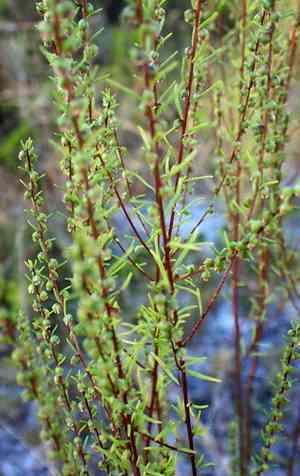
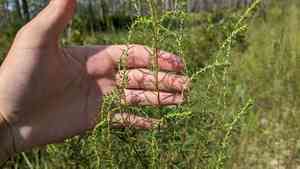
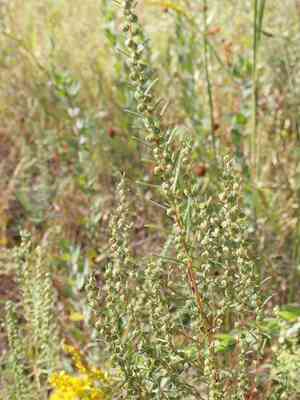
Iva microcephala is a wind-pollinated annual herb that can grow up to 1 meter tall. Its leaves are quite narrow and can reach up to 6 cm in length, sometimes appearing thread-like. The plant features small flower heads that are grouped in elongated clusters at the ends of its branches, with each head containing approximately 5 to 8 flowers.
In This Article
Attributes of Piedmont marsh elder
Lifespan
Annual
Plant Type
Herb
Plant Height
0.5 to 1.5 meters
Spread
Approximately 0.3 to 0.6 meters
Leaf Color
Green
Flower Size
Typically less than 1 centimeter
Flower Color
White or light green
Images of Piedmont marsh elder
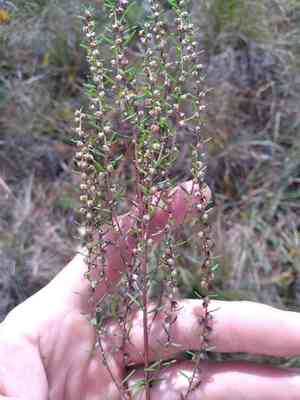
Quickly Identify Piedmont marsh elder
1
Iva microcephala can be identified by its small, clustered flower heads and narrow, lance-shaped leaves. The plant typically grows in sandy or disturbed soils, often near bodies of water.
Scientific Classification of Piedmont marsh elder
Phylum
Vascular plants
Class
Dicotyledons
Order
Asterales
Family
Daisy
Genus
Marsh elders
Species
Piedmont marsh elder
Planting and Growing of Piedmont marsh elder
Care Difficulty
Moderate
Watering Schedule
Every 2 days
Sunlight Requirements
Full sun
Sunshine Duration
4-8 hours
Ideal Temperature
65-75℉
Soil Type
Potting Mix, Peat Mix
Soil pH
6.5-7.5
Fertilizer Type
Balanced
Pruning Season
Spring, Summer
Pruning Area
Branches, Leaves
Pruning Frequency
2 times a year
Repotting Season
Spring
Pot Type
Plastic, Ceramic
 How to Water Piedmont marsh elder?
The watering amount for Iva microcephala should ideally be about 200 milliliters per session. This desert-native plant needs a balance between under and over-watering. Water until the soil is moist but not waterlogged, ensuring proper drainage to prevent root rot.
What are the symptoms of an underwatered Piedmont marsh elder?
›
What should I do if my Piedmont marsh elder is not getting enough water?
›
What are the symptoms of an overwatered Piedmont marsh elder?
›
How to save an overwatered Piedmont marsh elder?
›
 What Are the Sunlight Requirements for Piedmont marsh elder?
Full sun exposure is the preferred light range, ensuring the plant receives ample light, crucial for its photosynthesis, growth, and stress resilience.
What type of sunlight does Iva microcephala prefer?
›
How can you ensure Iva microcephala receives ideal light?
›
What are the benefits of ideal lighting for Iva microcephala?
›
 What Is the Ideal Temperature Range for Piedmont marsh elder?
What is the ideal temperature range for cultivating Iva microcephala? The ideal temperature range for this plant is between 65°F and 75°F. This range provides optimal conditions for growth and development, allowing the plant to thrive and maintain a healthy ecosystem. Within this range, physiological processes such as photosynthesis, nutrient uptake, and growth rate are optimized. Consistency in this temperature bracket ensures the plant maintains its vigor and vitality.
 What Soil is Best for Piedmont marsh elder?
Iva microcephala thrives in well-drained soil which prevents waterlogging and root rot. This ensures the roots receive adequate oxygen, promoting healthy growth and preventing diseases associated with overwatering. The plant benefits from soil rich in organic matter, which provides essential nutrients needed for robust growth and sustained vigor. Organic soil amendments enhance the soil structure and maintain adequate moisture levels. While Iva microcephala is fairly drought-tolerant, moderate soil moisture is ideal to support its growth. This balance helps the plant manage water effectively and sustain its lush foliage and vibrant appearance.
 How to Fertilize Piedmont marsh elder?
For Iva microcephala, it's crucial not to over-fertilize. A general guideline is to apply about half the recommended amount of general-purpose liquid fertilizer, diluted to half strength, during the growing season. This plant does not require heavy feeding, and being conservative helps to avoid root burn or nutrient build-up.
 How to Prune Piedmont marsh elder?
Wear gloves to protect against irritation from sap. Sanitize your pruning tools before and after use to prevent the spread of plant diseases. Always inspect for pests before starting to ensure they aren't accidentally spread during pruning. After pruning, water the plant adequately to help it recover from stress. Monitor for any signs of disease or pest infestations, as freshly cut plants can be more susceptible. Consider applying a mild fertilizer to boost new growth and overall health.
 How to Propagate Piedmont marsh elder plant?
1
Collect seeds from healthy Iva microcephala plants when they appear mature and dry. After harvesting, store them in a cool, dry place until ready to plant.
2
Select non-flowering shoots from a healthy plant. Cut 4-6 inches from the tip, ensuring a clean cut, then remove the lower leaves before planting.
3
For seeds, sow them evenly in seed trays with a light covering of soil. For cuttings, insert them into the soil mix, ensuring good contact with the substrate.
 How to Repot Piedmont marsh elder plant?
1
Iva microcephala typically requires repotting when it's root-bound, meaning roots are circling the container and showing at the bottom. Additionally, if the plant's growth significantly slows down, it might indicate nutrient deficiency from depleted soil, signaling the need for fresh soil. Spring and Autumn are ideal seasons as they allow the plant to recover quickly due to moderate climate conditions, ensuring less stress.
2
Choose a pot that is 1-2 inches larger in diameter than the current one to allow adequate room for root growth, without overwhelming the plant with too much space which can lead to water retention issues. The pot must have drainage holes to prevent waterlogged conditions that could cause root rot. Using a clay or terracotta pot can help absorb excessive moisture, offering a well-balanced environment.
3
For Iva microcephala, a well-draining sandy mix enriched with organic matter is perfect. This type of soil ensures proper aeration and prevents root rot by allowing excess water to drain efficiently. The incorporation of organic material helps retain necessary nutrients and moisture, providing a stable supply of what the plant needs to recuperate and thrive in its new pot.
Learn More About Piedmont marsh elder Diseases
Anthracnose
Bacterial Leaf Spot
Bacterial Wilt
Crown Gall
Cyst Nematode
Damping-off
Downy Mildew
Drought Stress
Fusarium Wilt
Gray Mold
Leaf Curl
Leaf Spot
Mosaic
Nutrient Deficiency
Nutrient Toxicity
Powdery Mildew
Root Rot
Root-knot Nematode
Rusts
Sooty Mold
Spider Mites
Temperature Stress
Thrips Damage
White Mold



