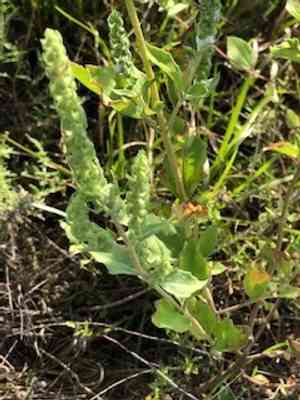
Annual Marsh Elder (Iva annua)
Also known as: Seacoast Sumpweed
Marshelder (Iva annua) is a North American annual plant belonging to the sunflower family. It was cultivated by prehistoric Native Americans as a seed crop roughly 4,000 years ago. This plant held significant importance for the Kansas City Hopewell culture, which lived in present-day Illinois and Missouri.
In This Article
Attributes of Annual Marsh Elder
Lifespan
Annual
Plant Type
Herb
Plant Height
1.5 m
Spread
60 cm
Leaf Color
Green
Flower Size
2.5 cm
Flower Color
Yellow Green
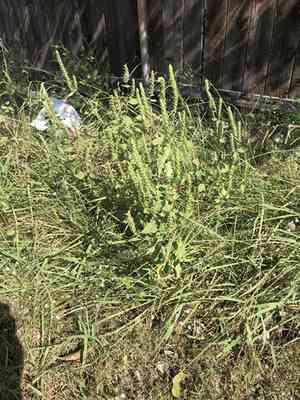
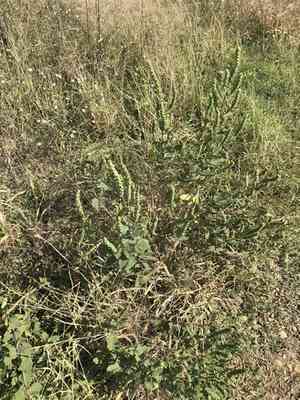
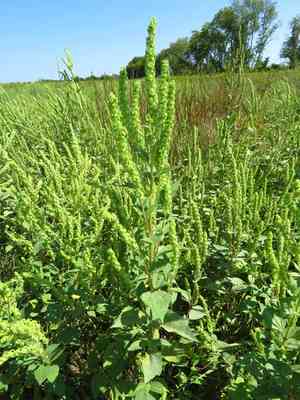
Images of Annual Marsh Elder
Quickly Identify Annual Marsh Elder
1
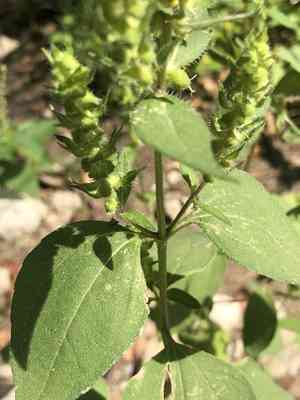
Iva annua can be identified by its rough, hairy stems and leaves that are lance-shaped and serrated. The plant produces inconspicuous greenish flowers clustered at the ends of the stems.
Scientific Classification of Annual Marsh Elder
Phylum
Vascular plants
Class
Dicotyledons
Order
Asterales
Family
Daisy
Genus
Marsh elders
Species
Annual Marsh Elder
Planting and Growing of Annual Marsh Elder
Care Difficulty
Easy
Watering Schedule
Every 2 days
Sunlight Requirements
Full sun
Sunshine Duration
6-10 hours
Ideal Temperature
65-75℉
Soil Type
Potting Mix, Peat Mix
Soil pH
6.5-7.5
Fertilizer Type
Balanced
Pruning Season
Spring, Summer
Pruning Area
Branches, Leaves
Pruning Frequency
2 times a year
Repotting Season
Spring
Pot Type
Plastic, Ceramic
 How to Water Annual Marsh Elder?
Iva annua, also known as marsh elder, appreciates deep but infrequent watering. Ensure the soil is thoroughly moist but avoid waterlogging. This translates to approximately 500 milliliters per watering session to adequately soak the soil without drowning the roots.
What are the symptoms of an underwatered Annual Marsh Elder?
›
What should I do if my Annual Marsh Elder is not getting enough water?
›
What are the symptoms of an overwatered Annual Marsh Elder?
›
How to save an overwatered Annual Marsh Elder?
›
 What Are the Sunlight Requirements for Annual Marsh Elder?
Iva annua's ideal light conditions include either full sun or partial sun. This exposure supports healthy energy production through photosynthesis, leading to vibrant growth and flowering.
What type of light does Iva annua prefer?
›
How can I ensure Iva annua gets ideal lighting?
›
What are the benefits of ideal lighting for Iva annua?
›
 What Is the Ideal Temperature Range for Annual Marsh Elder?
Iva annua thrives best in temperatures ranging from 65 to 75 degrees Fahrenheit. This range provides the ideal conditions for photosynthesis, nutrient uptake, and overall plant vigor. By maintaining this temperature range, you ensure that the plant develops strong and healthy foliage while avoiding stress caused by temperature extremes.
 What Soil is Best for Annual Marsh Elder?
Iva annua thrives in well-drained soils that prevent waterlogging, which helps the roots obtain oxygen and nutrients efficiently. This condition is essential for preventing root rot and promoting vigorous growth. A soil rich in organic matter provides essential nutrients that support robust growth and healthy foliage. Adding compost or well-rotted manure can make the soil more fertile for Iva annua. Proper soil aeration ensures that the soil doesn't become compacted and allows for better root expansion and access to nutrients, promoting healthier and more sustained growth.
 How to Fertilize Annual Marsh Elder?
For Iva annua, use a balanced fertilizer at half the recommended strength provided by the manufacturer. Typically, this translates to about 1 teaspoon per gallon of water when using liquid fertilizers. Be cautious to avoid overloading the soil with nutrients, particularly nitrogen, as it can lead to excessive foliar growth and weaker plant structure.
 How to Prune Annual Marsh Elder?
Look for the overgrown or dead stems on your Iva annua. These stems not only obstruct the aesthetic of the plant but also hinder its growth potential by consuming vital nutrients which could otherwise help the healthier parts to flourish. Always use sharp, clean pruning shears or scissors to cut. This ensures that the plant wound heals quickly and reduces the risk of disease transmission. Make sure to sanitize your tools before and after use for optimal safety. When cutting the branches or stems, always make your cuts at a 45-degree angle. This technique helps in shedding water and reduces the chances of water causing decay or stemming infections.
 How to Propagate Annual Marsh Elder plant?
1
Fill seed trays with potting soil, ensuring it is evenly spread and lightly moistened. Avoid overwatering to prevent fungal issues. Level the soil surface before sowing seeds.
2
Scatter Iva annua seeds on the soil surface. Lightly press them into the soil but do not cover them entirely as they need light to germinate. Maintain a spacing of about 1 inch between seeds for airflow and growth.
3
Place the seed trays in a warm, well-lit area. Ensure a consistent temperature of 68-75°F (20-24°C) for optimal germination. Regularly mist the soil to keep it moist without overwatering.
 How to Repot Annual Marsh Elder plant?
1
Knowing when to repot Iva annua is crucial. Look for roots emerging from drainage holes and slow growth, which indicate it needs more room. Spring or summer is ideal when the plant is in an active growth phase, allowing it to recover quickly in new soil.
2
Choose a pot that's 1-2 inches larger in diameter. Ensure it has good drainage holes to prevent waterlogging, which could cause root rot. A slightly larger pot promotes healthier growth by giving roots space to expand and absorb nutrients efficiently.
3
Opt for well-draining sandy loam soil to mimic Iva annua's natural habitat. Such soil prevents excess water retention, thus reducing the risk of root diseases. A good soil mix ensures that the plant has adequate access to air and nutrients.
Toxicity
Ingestion
WARNING
The judgment on toxicity and danger is for reference only. We DO NOT GUARANTEE any accuracy of such judgment. Therefore, you SHALL NOT rely on such judgment. It is IMPORTANT TO SEEK PROFESSIONAL ADVICE in advance when necessary.

