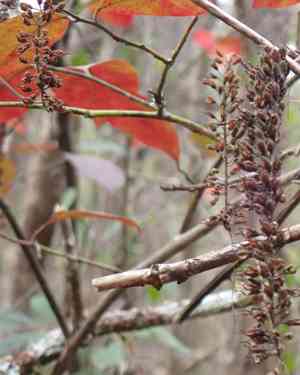
Sweetspire (Itea) (Itea)
Also known as: Sweetspire, Virginia Sweetspire
Foxgloves are frequently grown in gardens for their striking appearance. These biennial or perennial plants produce tall spikes adorned with cream or white bell-shaped flowers that gracefully droop. Foxgloves add vertical interest and serve as a lovely contrast to other garden elements. Some varieties are also known for their subtle fragrance.
In This Article
Attributes of Sweetspire (Itea)
Lifespan
Perennial
Plant Height
1-2 meters (3-6 feet)
Spread
1.5-2.5 meters (5-8 feet)
Leaf Color
Green (summer), red to purple (fall)
Flower Size
5-10 millimeters
Flower Color
White
Images of Sweetspire (Itea)
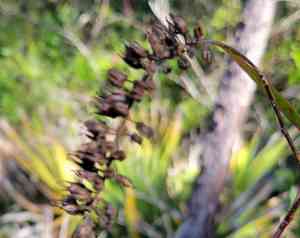
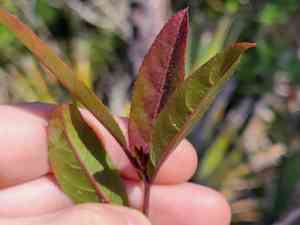
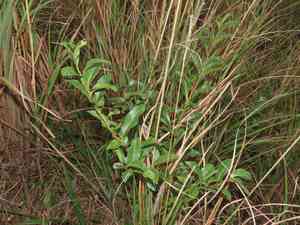
Quickly Identify Sweetspire (Itea)
1
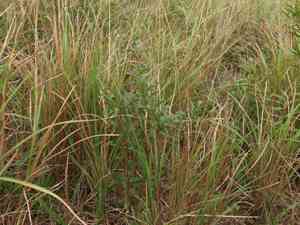
Itea can be identified by its arching stems, simple, alternate leaves, and small, fragrant flowers that are typically borne in racemes. The leaves often turn vibrant shades of red, purple, or orange in the fall.
Scientific Classification of Sweetspire (Itea)
Phylum
Angiosperms
Class
Magnoliopsida
Order
Saxifragales
Family
Iteaceae
Genus
Itea
Planting and Growing of Sweetspire (Itea)
Care Difficulty
Easy
Watering Schedule
Every 2 days
Sunlight Requirements
Partial sun
Sunshine Duration
4-8 hours
Ideal Temperature
65-75℉
Soil Type
Potting Mix, Peat Mix
Soil pH
5.5-6.5
Fertilizer Type
Balanced
Pruning Season
Spring, Summer
Pruning Area
Branches, Leaves
Pruning Frequency
2 times a year
Repotting Season
Spring
Pot Type
Ceramic, Plastic
 How to Water Sweetspire (Itea)?
Itea plants require a consistent watering schedule to maintain their lush greenery and vibrant growth. Ideally, water them thoroughly with about 500 milliliters of water per session. This amount ensures the soil remains evenly moist without becoming waterlogged, simulating their natural habitat. It's critical to water until the soil feels evenly moist but not soggy.
What are the symptoms of an underwatered Sweetspire (Itea)?
›
What should I do if my Sweetspire (Itea) is not getting enough water?
›
What are the symptoms of an overwatered Sweetspire (Itea)?
›
How to save an overwatered Sweetspire (Itea)?
›
 What Are the Sunlight Requirements for Sweetspire (Itea)?
Itea prefers partial to full sun exposure, benefiting from direct morning rays and cooler afternoon shadows. These conditions enhance its natural growth rhythm, supporting both vegetative growth and flowering.
How much light does Itea need?
›
What if I don't have enough sunlight?
›
What are the benefits of ideal light conditions?
›
 What Is the Ideal Temperature Range for Sweetspire (Itea)?
For optimal growth of Itea, maintaining temperatures between 65°F and 75°F ensures that the plant can carry out photosynthesis efficiently and maintain a healthy metabolism. This range provides a comfortable environment that mimics its natural habitat.
 What Soil is Best for Sweetspire (Itea)?
Itea thrives in soil that retains moisture well but also offers good drainage to prevent waterlogging. This balance ensures the roots have consistent moisture without becoming overly saturated, promoting healthy growth. Rich organic matter in soil serves as a natural fertilizer for Itea. Organic compost or leaf mold added to the soil improves its structure and nutrient profile, vital for vibrant foliage and plentiful blooms. Itea prefers slightly acidic soil with a pH range of 5.5 to 6.5. Maintaining this pH range helps in the optimal availability of essential nutrients, enhancing the plant’s health and flowering potential.
 How to Fertilize Sweetspire (Itea)?
For Itea plants, the fertilizer amount should be moderate. During the growing season, apply a balanced 10-10-10 liquid fertilizer, making sure to dilute it to half strength to avoid over-fertilization. Each application should cover the root zone thoroughly, typically with about 1 to 1.5 liters of diluted solution per square meter.
 How to Prune Sweetspire (Itea)?
Begin by identifying and removing any dead, damaged, or diseased branches. This helps the plant focus its energy on healthy growth. Trim the plant to maintain its desired shape. Typically, it's best to start from the top and work your way down, ensuring evenness. Look for branches that cross over each other and remove one of them to prevent them from rubbing and creating wounds.
 How to Propagate Sweetspire (Itea) plant?
1
Gather seeds from mature Itea fruits in late autumn. Make sure the seeds are fully mature for better germination rates.
2
Select healthy, semi-hardwood cuttings in late spring. Cut 4-6 inches long branches at a 45-degree angle to encourage optimal rooting.
3
Divide the plant roots in early spring. Ensure each division has sufficient roots to support the new plant for better establishment.
 How to Repot Sweetspire (Itea) plant?
1
Signs that Itea needs repotting include roots growing out of drainage holes, compacted soil, or stunted growth. The best time to repot is in spring or autumn, to reduce stress on the plant and promote healthy growth.
2
Opt for a pot that is 1-2 inches larger in diameter than the current one, with good drainage holes. This prevents waterlogging and allows the plant roots space to grow, ensuring better aeration and preventing root rot.
3
Choose a well-draining potting mix that retains some moisture but doesn't become waterlogged. Such soil ensures that the roots get enough air circulation and maintain the right moisture level, vital for the plant's healthy growth.

