quillworts (Isoetes) (Isoetes)
Also known as: Quillwort
Quillworts flourish in aquatic and semi-aquatic environments, such as the edges of ponds, lakes, and slow-flowing streams. They can also be found in areas that experience seasonal flooding, like temporary pools. These plants grow across various regions globally.
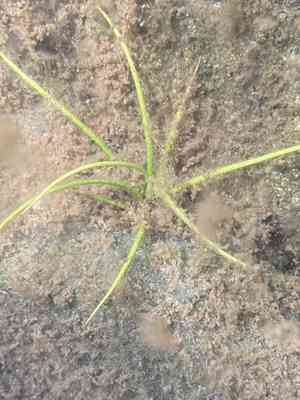
Physically, quillworts are characterized by their slender, quill-like leaves, which emerge in a rosette from a central, bulb-like corm. The leaves are hollow and pointed. Their root system extends underground, anchoring them in their watery habitats. Additionally, quillworts produce spores at the base of their leaves, rather than seeds.
In This Article
Attributes of quillworts (Isoetes)
Lifespan
Perennial
Plant Height
10-30 cm
Spread
N/A
Leaf Color
Green
Flower Size
N/A
Flower Color
N/A
Images of quillworts (Isoetes)
Quickly Identify quillworts (Isoetes)
1
Isoetes can be identified by their tuft of short, spiky, quill-like leaves and the presence of sporangia at the bases of the leaves. They often grow submerged or in moist environments.
Scientific Classification of quillworts (Isoetes)
Phylum
Lycopodiophyta
Class
Lycopodiopsida
Order
Isoetales
Family
Isoetaceae
Genus
Isoetes
Planting and Growing of quillworts (Isoetes)
Care Difficulty
Moderate
Watering Schedule
Every 4 days
Sunlight Requirements
Partial sun
Sunshine Duration
4-6 hours
Ideal Temperature
60-75℉
Soil Type
Potting Mix, Peat Mix
Soil pH
6.5-7.5
Fertilizer Type
Balanced
Pruning Season
Spring, Summer
Pruning Area
Branches, Leaves
Pruning Frequency
3 times a year
Repotting Season
Spring
Pot Type
Plastic, Ceramic
 How to Water quillworts (Isoetes)?
Isoetes plants, commonly known as quillworts, require moderate watering to ensure their aquatic nature is maintained. The goal is to mimic their natural habitat, where they experience regular water levels. When you water Isoetes, aim for about 500 ml of water per session. This volume helps in maintaining a consistently moist environment without causing waterlogging. Ensure the soil is saturated but not flooded, allowing it to absorb water evenly.
What are the symptoms of an underwatered quillworts (Isoetes)?
›
What should I do if my quillworts (Isoetes) is not getting enough water?
›
What are the symptoms of an overwatered quillworts (Isoetes)?
›
How to save an overwatered quillworts (Isoetes)?
›
 What Are the Sunlight Requirements for quillworts (Isoetes)?
Partial sun exposure is ideal for Isoetes, allowing it to thrive with consistent energy. This range supports optimal photosynthesis and helps maintain the moisture necessary for its aquatic nature.
How can Isoetes achieve ideal light conditions?
›
What are the specific measures for Isoetes to get ideal lighting?
›
How does ideal light benefit Isoetes?
›
 What Is the Ideal Temperature Range for quillworts (Isoetes)?
The ideal temperature range for cultivating Isoetes is between 60 to 75 degrees Fahrenheit. This range provides optimal conditions for the growth and metabolic processes of the plant. Maintaining a consistent temperature within this range ensures that Isoetes can efficiently photosynthesize and develop without environmental stress. Deviating too far outside of these temperatures can hinder growth and lead to potential health issues, making it crucial for gardeners to monitor environmental conditions closely.
 What Soil is Best for quillworts (Isoetes)?
Isoetes prefers soils that can retain moisture effectively without becoming waterlogged. Such conditions ensure steady hydration, crucial for its growth and metabolic processes. A nutrient-rich substrate is vital for Isoetes to thrive. The abundance of essential minerals and organic matter supports its robust development and lush appearance. Good aeration in the soil prevents root rot and supports healthy root growth. For Isoetes, this is particularly critical to facilitate nutrient and water uptake efficiently.
 How to Fertilize quillworts (Isoetes)?
Isoetes, commonly known as quillworts, requires careful consideration of fertilization due to its specific habitat preferences. Typically, a diluted concentration of liquid fertilizer is applied, generally at half the strength recommended for other common aquatic or semi-aquatic plants. This helps prevent over-fertilization and ensures the delicate plant receives the necessary nutrients without being overwhelmed.
 How to Prune quillworts (Isoetes)?
Begin by carefully trimming away any dead or brown leaves near the base of the plant. Use clean, sharp scissors or pruning shears to make clean cuts, as ragged edges can invite disease. The goal is to encourage new growth by maintaining a neat and tidy appearance. Regularly inspect the center of the plant for any crowded or tangled growth and gently separate them to allow for air circulation and proper nutrient absorption.
 How to Propagate quillworts (Isoetes) plant?
1
Collect mature seeds from Isoetes sporophytes in the wild or from cultivated plants. Ensure the seeds are dry and free from any disease or decay before starting the germination process.
2
Fill the seed trays with the prepared soil mix and level it. Make shallow depressions for the seeds, maintaining even spacing to prevent overcrowding when seedlings emerge.
3
Place the seeds in the prepared depressions and cover them lightly with the soil mix. Avoid burying the seeds too deep as they require light exposure for successful germination.
 How to Repot quillworts (Isoetes) plant?
1
Repot Isoetes when you notice restricted growth, roots circling the pot, or water not draining properly. These signs typically mean the plant has outgrown its current space. Spring or early summer is ideal for repotting to give the plant time to adjust before active growth periods.
2
Select a pot that is about 2-3 inches larger in diameter than the current one, with ample drainage holes. The larger space prevents root compaction and enhances airflow, while good drainage reduces root rot risk, keeping your Isoetes healthy.
3
Opt for a sandy, well-draining mix to mimic the natural rocky habitats of Isoetes. This soil type helps avoid waterlogging, encourages root aeration, and ensures the plant can thrive in its new environment. A mix with small gravel or perlite is perfect.

