Irises (Iris)(Iris)

Irises (Iris) (Iris)

Also known as: Flag, Fleur-de-lis, Sword Lily

Irises, named after the Greek goddess Iris, have been cultivated for thousands of years and are known in nearly 300 species. Iris, the goddess of rainbows, lends her name to these flowers, which originate from temperate regions of Asia and Europe, thriving mainly in cooler and drier climates.

Attributes of Irises (Iris)

Lifespan
Perennial
Plant Height
15 cm to 1.2 m
Spread
15 cm
Leaf Color
Green or blue-green
Flower Size
10 cm to 18 cm
Flower Color
Various colors including purple, blue, white, yellow, pink, and bicolors

ForwardPlant - Identify plants with a snap

Identify and diagnose plants, get toxicity alerts, and explore safety guides for all types of fungi.

Try for Free

Images of Irises (Iris)

Irises (Iris)(Iris)
Irises (Iris)(Iris)
Irises (Iris)(Iris)
Irises (Iris)(Iris)

Quickly Identify Irises (Iris)

1
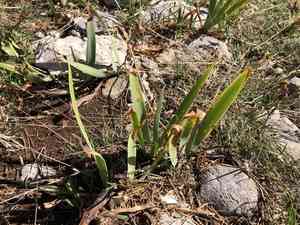
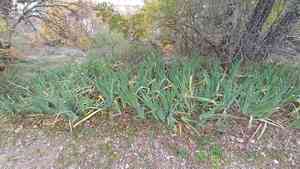
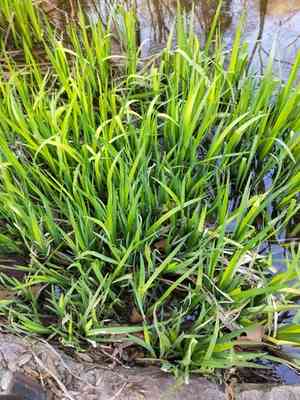
Iris plants can be identified by their unique fleur-de-lis-like flowers with three outer hanging \'falls\' and three inner upright \'standards\'. The leaves are typically narrow and sword-shaped.

Scientific Classification of Irises (Iris)

Phylum
Magnoliophyta
Class
Liliopsida
Order
Asparagales
Family
Iridaceae
Genus
Iris

Planting and Growing of Irises (Iris)

Care Difficulty
Moderate
Watering Schedule
Every 8 days
Sunlight Requirements
Full sun
Sunshine Duration
4-8 hours
Ideal Temperature
60-75℉
Soil Type
Potting Mix, Peat Mix
Soil pH
6.5-7.5
Fertilizer Type
Balanced
Pruning Season
Spring, Summer
Pruning Area
Branches, Leaves
Pruning Frequency
Once a year
Repotting Season
Spring
Pot Type
Plastic, Ceramic

water icon How to Water Irises (Iris)?

Iris plants require watering that thoroughly moistens the soil to a depth of about 6 inches. The goal is to keep the soil consistently moist, but not soggy, as these plants thrive in moisture-retentive yet well-drained conditions. Testing the soil moisture level by inserting your finger into the ground will help determine if more water is needed.
What are the symptoms of an underwatered Irises (Iris)?
What should I do if my Irises (Iris) is not getting enough water?
What are the symptoms of an overwatered Irises (Iris)?
How to save an overwatered Irises (Iris)?

sunlight icon What Are the Sunlight Requirements for Irises (Iris)?

Sunlight Requirements: Full sun, Partial sun
Duration of light: 6 to 8 hours
Iris thrives in full sun to partial sun range. The ideal light condition helps in maximizing flower production and ensures the plant has sturdy stems, beautiful foliage, and resilience against pests and diseases.
What is the ideal sunlight requirement for Iris?
How to achieve this ideal sunlight condition?
What are the benefits of receiving ideal sunlight for Iris?

temperature icon What Is the Ideal Temperature Range for Irises (Iris)?

Ideal Temperature: 60 ~ 75℉
Iris plants thrive best in temperatures ranging from 60°F to 75°F. This range allows the plants to comfortably conduct their physiological processes, including photosynthesis and nutrient absorption, ensuring optimal growth and flowering. Maintaining this temperature range helps in achieving vibrant blooms and healthy foliage.

soil icon What Soil is Best for Irises (Iris)?

Soil type: Loam, Sandy loam
Soil PH: 6.5 ~ 7.5
Irises thrive in well-drained soil because it prevents waterlogging, which can lead to root rot. Ensuring the soil has good drainage will allow the plant to absorb water efficiently without being susceptible to waterborne diseases. A nutrient-rich soil is essential for irises as it provides the necessary vitamins and minerals that promote healthy growth and vibrant blooms. Using compost or a slow-release fertilizer can enrich the soil and encourage robust flowering. While irises can tolerate some dryness, they prefer moderately moist soil conditions. This balance helps support consistent growth and prevents the plant from stress due to excessive drought or moisture.

fertilize icon How to Fertilize Irises (Iris)?

Fertilizer type: Balanced
Iris plants generally appreciate a balanced 10-10-10 NPK fertilizer. When using liquid fertilizer, dilute it to half strength and apply sparingly to avoid root burn. Typically, use about 1/4 cup of the diluted solution per plant. For slow-release fertilizers, apply approximately 1 tablespoon per plant, evenly distributed around the root zone.

prune icon How to Prune Irises (Iris)?

Pruning Time: Spring, Summer
Start by removing the spent blooms and any withering stems. Cutting them back encourages the plant to focus energy on developing new growth and budding rather than sustaining old flowers. Trim the leaves back to around six inches in fall. This helps in reducing the risk of diseases by preventing decay buildup and ensures better air circulation around the roots. Make clean cuts at the base of the stem, avoiding tearing the plant structure. Ensure proper spacing between plants during pruning to increase light penetration and airflow.

propagate icon How to Propagate Irises (Iris) plant?

Propagate Time: Spring, Early spring
1
Before sowing, iris seeds require a period of cold stratification to break dormancy. This can involve placing seeds in a moist paper towel inside a plastic bag in the refrigerator for several weeks to mimic winter conditions.
2
After stratification, sow the iris seeds in a seed tray filled with well-draining soil. Lightly cover the seeds with soil and water gently. Place the tray in a warm location with indirect sunlight to support germination.
3
When dividing irises, first dig up the entire clump. Using a sharp knife, cut the rhizomes into sections, ensuring each piece has an eye and a set of roots. Let the cut sections dry for a day before replanting in well-prepared soil.

repot icon How to Repot Irises (Iris) plant?

Repotting frequency: Every 2-3 years
1
You should consider repotting your Iris when you notice the rhizomes are crowded or bulging at the surface. Another sign is if the plant's growth appears stunted or the flowering decreases. These indicators suggest it’s time to give your Iris more space to thrive.
2
Select a pot that is about 2-3 inches larger in diameter than the existing one. It should have good drainage holes to prevent waterlogging, which can cause root rot. A clay pot is often a good choice, as it can help with moisture regulation, although lightweight plastic options are also viable for easier mobility.
3
Opt for a well-draining, sandy soil mix. It should be rich in organic material to provide nutrients while ensuring good drainage to prevent root rot. A mix with slightly acidic to neutral pH is optimal, mimicking its natural habitat conditions and encouraging healthy growth.

ForwardPlant - Identify plants with a snap

Find the best spots for them to optimize their health, simply using your phone.

Try for Free

Toxicity of Irises (Iris)

Is Irises (Iris) toxic to cat?

Exposure to irises can lead to varying degrees of poisoning in cats, from mild to severe. These plants may contain toxic pentacyclic terpenoids located in their leaves, stems, and sprouts, though the bulbs are typically the most hazardous. Common symptoms exhibited by affected cats encompass vomiting, diarrhea, lethargy, mouth ulcers, and excessive salivation.

Is Irises (Iris) toxic to dog?

If a dog ingests any part of the iris (Iris) plant, the resulting illness can be potentially life-threatening, necessitating prompt veterinary intervention. The bulb contains the highest concentration of toxins. Symptoms of poisoning may begin with bloody diarrhea, excessive salivation, and lethargy, and these signs should be considered extremely serious. Caution is advised with all 200 species of Iris.


Identify toxic plants for your safety

Learn which plants are harmful to you and your pets, and make informed choices for a safer home!

Try for Free
WARNING
The judgment on toxicity and danger is for reference only. We DO NOT GUARANTEE any accuracy of such judgment. Therefore, you SHALL NOT rely on such judgment. It is IMPORTANT TO SEEK PROFESSIONAL ADVICE in advance when necessary.
More About Toxic Techniques