
Northern blue flag iris (Iris versicolor)
Also known as: Harlequin blueflag, Poison flag
The northern blue flag iris is ideally suited for wetland areas such as the edges of ponds and lakes, water meadows, and other aquatic environments. It can thrive in shallow standing water up to 15 cm deep and can endure brief periods of full submersion. This perennial plant, known for its striking flowers, typically reaches heights between 10 and 79 cm. For best results, plant it in nutrient-rich, consistently moist soil with access to full or partial sunlight.
Attributes of Northern blue flag iris
Images of Northern blue flag iris

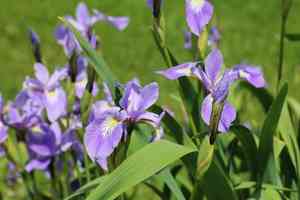
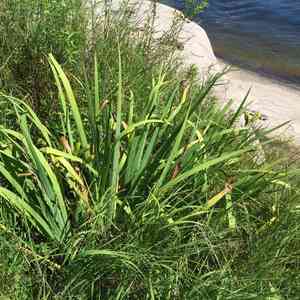
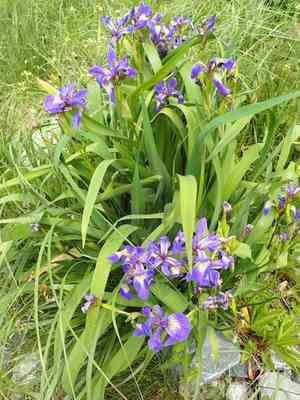
Quickly Identify Northern blue flag iris
Scientific Classification of Northern blue flag iris
Planting and Growing of Northern blue flag iris
 How to Water Northern blue flag iris?
 What Are the Sunlight Requirements for Northern blue flag iris?
 What Is the Ideal Temperature Range for Northern blue flag iris?
 What Soil is Best for Northern blue flag iris?
 How to Fertilize Northern blue flag iris?
 How to Prune Northern blue flag iris?
 How to Propagate Northern blue flag iris plant?
 How to Repot Northern blue flag iris plant?
Toxicity of Northern blue flag iris
Is Northern blue flag iris toxic to humans?
The northern blue flag iris exhibits mild to moderate toxicity in humans. Reactions can arise from both ingestion and skin contact with the plant. Handling the rootstocks, sap, or seeds may lead to mild skin irritations, such as redness or itching. Consuming any part of this plant typically results in symptoms like vomiting, diarrhea, stomach pain, and fever. Although serious poisoning cases may occur, they are exceedingly rare. Therefore, it is advisable for gardeners to exercise caution when interacting with these plants and to always wear protective gloves. Despite the northern blue flag iris being a commonly cultivated ornamental species, it lacks any edible look-alikes, making instances of poisoning through ingestion quite infrequent.
Is Northern blue flag iris toxic to cat?
The northern blue flag iris is classified as a toxic plant that poses risks for cats. Cats might accidentally consume various parts of the northern blue flag iris, triggering poisoning. The harmful components of this plant encompass the roots, sap, juice, and seeds. If ingested, these can cause cats to display signs of physical distress, indicating the negative impact on their health. Therefore, it is crucial for cat owners to vigilantly observe their pets and promptly contact a veterinarian at the earliest signs of possible poisoning to safeguard the well-being of their feline friends.
Is Northern blue flag iris toxic to dog?
The northern blue flag iris is a toxic species for dogs, presenting a considerable health threat if eaten. Dogs may unintentionally ingest parts of the northern blue flag iris, resulting in poisoning. The most dangerous elements of the plant include its roots, sap, and seeds. When a dog consumes any of these components, it may show symptoms such as gastrointestinal distress, vomiting, diarrhea, lethargy, or more alarming indications based on the quantity taken. Dog owners must vigilantly supervise their pets and restrict their access to the northern blue flag iris. Should a dog ingest this plant, seeking immediate veterinary assistance is vital to effectively address the poisoning.



