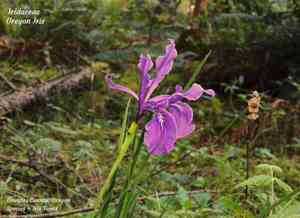
Toughleaf iris (Iris tenax)
Also known as: Oregon Flag, Klamath iris, Tough-leaved iris
The Toughleaf iris (Iris tenax) is a perennial evergreen that forms clumps and produces pale-lavender to violet-blue flowers in the spring. It does well in full sun to partial shade and becomes drought-tolerant after establishment. The flowers are appealing to butterflies and bees. Additionally, this iris is resistant to aphids, rabbits, and deer.
In This Article
Attributes of Toughleaf iris
Lifespan
Perennial
Plant Type
Herb
Plant Height
20 cm to 36 cm
Spread
40 cm
Leaf Color
Green
Flower Size
8 cm to 10 cm
Flower Color
Yellow Purple Cream Blue Red
Images of Toughleaf iris
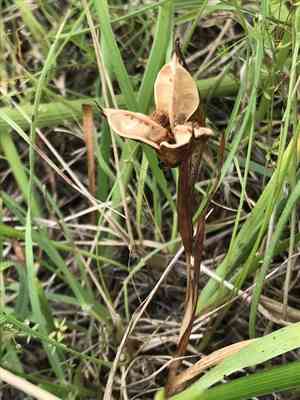
Quickly Identify Toughleaf iris
1
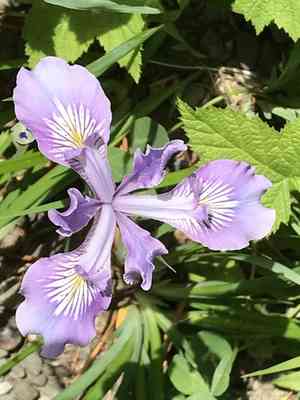
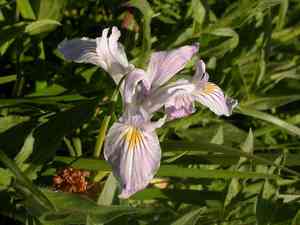
Iris tenax can be identified by its narrow, sword-shaped leaves that are tough and rigid. Its flowers are usually purple to violet with distinctive yellow or white markings on the falls.
Scientific Classification of Toughleaf iris
Phylum
Vascular plants
Class
Monocotyledons
Order
Asparagales
Family
Iris
Genus
Irises
Species
Toughleaf iris
Planting and Growing of Toughleaf iris
Care Difficulty
Easy
Watering Schedule
Every 4 days
Sunlight Requirements
Full sun
Sunshine Duration
4-8 hours
Ideal Temperature
50-70℉
Soil Type
Potting Mix, Peat Mix
Soil pH
6.5-7.5
Fertilizer Type
Balanced
Pruning Season
Spring, Summer
Pruning Area
Branches, Leaves
Pruning Frequency
2 times a year
Repotting Season
Spring
Pot Type
Plastic, Ceramic
 How to Water Toughleaf iris?
Iris tenax, commonly known as Oregon iris, thrives with regular watering, so aim for about 500 ml per session. The key is to keep the soil consistently moist but not waterlogged. The soil should feel just a bit damp when touched, indicating proper moisture levels.
What are the symptoms of an underwatered Toughleaf iris?
›
What should I do if my Toughleaf iris is not getting enough water?
›
What are the symptoms of an overwatered Toughleaf iris?
›
How to save an overwatered Toughleaf iris?
›
 What Are the Sunlight Requirements for Toughleaf iris?
Iris tenax ideally grows under full or partial sun, which allows it to display its beautiful blooms and maintain healthy leaves. This range is beneficial for promoting robust growth and optimal flowering performance.
More About Sunlight Requirements Techniques→
How much sunlight does Iris tenax prefer?
›
What are the challenges in providing ideal lighting?
›
Why is ideal lighting important for Iris tenax?
›
 What Is the Ideal Temperature Range for Toughleaf iris?
For Iris tenax to thrive, an ideal temperature range between 50°F and 70°F should be maintained. This range allows optimal metabolic activity and supports healthy growth. Temperatures within this range encourage blooming and vegetative vigor, providing the best environmental conditions for photosynthesis.
 What Soil is Best for Toughleaf iris?
Iris tenax prospers in well-draining soil as it prevents waterlogging, which can lead to root rot. Proper drainage ensures that the roots receive adequate oxygen, essential for healthy growth and vibrant blooms. While not overly demanding in terms of nutrients, Iris tenax benefits from moderately fertile soil. Such soil provides the essential nutrients needed for robust growth and helps maintain the plant's overall health. A sandy loam blend offers the ideal balance, holding some moisture and nutrients while still draining effectively. This texture mimics the plant's natural habitat and supports optimal growth patterns.
 How to Fertilize Toughleaf iris?
For Iris tenax, it's crucial to avoid over-fertilizing. Use a balanced 10-10-10 liquid fertilizer, diluted to half-strength. Apply it evenly around the base of the plant, taking extra care not to directly drench the foliage. The soil should be moist before applying fertilizer to prevent burning the roots.
 How to Prune Toughleaf iris?
Begin by assessing the health of your Iris tenax. Look for old flower stems, yellowing or dead leaves, and any crowded sections. These are the primary targets for pruning. Cut back old flower stems to the base to prevent seeding and encourage new blooms. 2. Carefully trim away any leaves that appear dead or diseased, without damaging the healthy parts of the plant. 3. Thin out 'fans' of leaves if they're overcrowding, allowing room for new growth.
More About Pruning Techniques→
 How to Propagate Toughleaf iris plant?
1
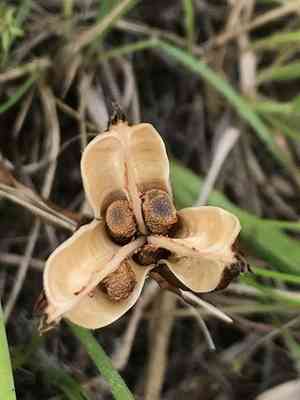
Collect seeds from mature Iris tenax plants in late summer. Ensure that seedpods are dry and brown prior to collecting, which indicates that seeds are ready for harvesting.
2
Prepare well-draining soil with a mix of sand and compost. This ensures proper drainage while providing adequate nutrients for seed germination or plant division roots.
3
Plant seeds shallowly in seed trays or directly sow outdoors depending on climate. Water gently to provide moisture without washing away seeds. Consistent moisture is key for germination.
 How to Repot Toughleaf iris plant?
1
Repot Iris tenax when you notice signs like stunted growth, overcrowded roots, or reduced blooming. These indicators ensure the plant is using nutrients effectively and has room to grow.
2
Select a pot one size larger than the current one, with drainage holes to prevent waterlogging. This offers roots ample space to spread, promoting healthier growth.
3
Opt for a well-draining sandy loam soil to prevent root rot and ensure proper air circulation. This type of soil retains necessary moisture while allowing excess water to escape, keeping roots healthy.
Toxicity
Ingestion
WARNING
The judgment on toxicity and danger is for reference only. We DO NOT GUARANTEE any accuracy of such judgment. Therefore, you SHALL NOT rely on such judgment. It is IMPORTANT TO SEEK PROFESSIONAL ADVICE in advance when necessary.
Learn More About Toughleaf iris Diseases
Anthracnose
Bacterial Leaf Spot
Bacterial Soft Rot
Bacterial Wilt
Crown Gall
Cyst Nematode
Damping-off
Downy Mildew
Drought Stress
Fusarium Wilt
Gray Mold
Leaf Spot
Mosaic
Nutrient Deficiency
Nutrient Toxicity
Powdery Mildew
Root Rot
Root-knot Nematode
Rusts
Sooty Mold
Spider Mites
Temperature Stress
Thrips Damage
White Mold



