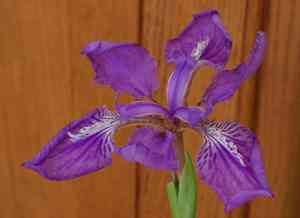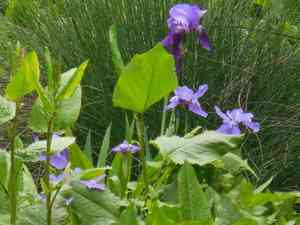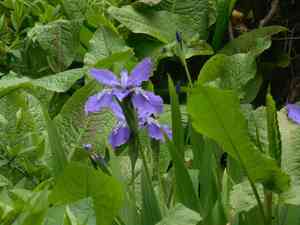
Wall iris(Iris tectorum)

Wall iris (Iris tectorum)

Also known as: Japanese Roof Iris, Wall Iris

Iris tectorum, also known as wall iris, contains toxic compounds in its leaves and rhizome, making it harmful if ingested. Additionally, direct contact with the plant can cause skin irritation for some individuals, so it's advisable to wear gloves when handling it. Despite this, wall iris is a popular ornamental plant in gardens. The name "tectorum" translates to "roof of the house," reflecting its historical cultivation on rooftops in Japan and China. This tradition highlights its cultural and historical significance in these countries.

Attributes of Wall iris

Lifespan
Perennial
Plant Type
Herb
Plant Height
30 cm to 46 cm
Spread
30 cm to 45 cm
Leaf Color
Green
Flower Size
10 cm
Flower Color
Purple White

PlantJoy - Identify plants with a snap

Identify and diagnose plants, get toxicity alerts, and explore safety guides for all types of fungi.

Try for Free

Images of Wall iris

Wall iris(Iris tectorum)

Quickly Identify Wall iris

1
Distinctive fringed crest on flowers, white on purple, contrasting with beardless blooms.
2
Large flowers, 6 inches (15 cm) in diameter, with unique tubular standards and spreading falls.
3
Fan-shaped leaves, 15 inches (38 cm) tall, with pronounced ribs and a structured appearance.
4
Rhizomes spaced 10-16 inches (25-40 cm) apart in rich, well-drained soil, emerging at soil level.
5
Thrives in sunlight to partial shade, tolerant of moist conditions like pond peripheries or drier rock gardens.

Scientific Classification of Wall iris

Phylum
Vascular plants
Class
Monocotyledons
Order
Asparagus and allies
Family
Iris
Genus
Irises
Species
Wall iris

Planting and Growing of Wall iris

Care Difficulty
Easy
Watering Schedule
Every 4 days
Sunlight Requirements
Partial sun
Sunshine Duration
6-10 hours
Ideal Temperature
60-75℉
Soil Type
Potting Mix, Peat Mix
Soil pH
6.5-7.5
Fertilizer Type
Balanced
Pruning Season
Spring, Summer
Pruning Area
Branches, Leaves
Pruning Frequency
2 times a year
Repotting Season
Spring
Pot Type
Ceramic, Plastic

water icon How to Water Wall iris?

For Iris tectorum, it's crucial to ensure the soil is moist but not waterlogged. The plant prefers well-draining soil, so aim to water about 500 ml each time, allowing the top inch of soil to dry out between waterings. This helps the plant access both moisture and oxygen, crucial for its health.
What are the symptoms of an underwatered Wall iris?
What should I do if my Wall iris is not getting enough water?
What are the symptoms of an overwatered Wall iris?
How to save an overwatered Wall iris?

sunlight icon What Are the Sunlight Requirements for Wall iris?

Sunlight Requirements: Partial sun
Duration of light: 4-6 hours daily
Partial sun to light shade is ideal for Iris tectorum, promoting lush growth and vibrant flowering. This range allows for balanced photosynthesis, preventing both under- and overexposure, necessary for maintaining its health and beauty.
What is ideal lighting for Iris tectorum?
How can I achieve ideal lighting for Iris tectorum?
What benefits come with providing ideal lighting to Iris tectorum?
More About Sunlight Requirements Techniques

temperature icon What Is the Ideal Temperature Range for Wall iris?

Ideal Temperature: 60 ~ 75℉
The ideal temperature range for Iris tectorum is between 60°F and 75°F. This range ensures optimal growth and blooming by providing a balanced environment that mimics the plant's natural habitat. Maintaining temperatures within this range can help optimize photosynthesis and other physiological processes necessary for healthy development.

soil icon What Soil is Best for Wall iris?

Soil type: Loam, Sandy loam, Acidic soil
Soil PH: 6.5 ~ 7.5
Iris tectorum prefers soil with excellent drainage properties. Good drainage prevents root rot and provides the roots with necessary oxygen, ensuring the plant thrives. This plant flourishes in nutrient-rich soil that provides sufficient amounts of nitrogen, phosphorus, and potassium. These nutrients promote strong root development and vibrant blooms. While Iris tectorum can tolerate some drought, it prefers moderately moist soil with consistent watering. This ensures steady growth and prevents stress due to dehydration.

fertilize icon How to Fertilize Wall iris?

Fertilizer type: Balanced
For Iris tectorum, apply liquid fertilizer at half the recommended strength per manufacturer instructions. When using slow-release fertilizer, apply approximately 50 grams per square meter around the base of the plant. Adjust based on plant size and soil conditions to prevent over-fertilization.

prune icon How to Prune Wall iris?

Pruning Time: Spring, Autumn
Start by using clean, sharp scissors or pruning shears. First, remove any dead or brown leaves at the base, as these can harbor diseases. Next, cut back faded flower stalks down to the ground level to prevent seed production and focus the plant's energy on healthy growth. Remember to prune in early spring before new growth begins and in autumn after the blooming season ends. Every few years, it's beneficial to divide Iris tectorum clumps to rejuvenate the plant. Carefully dig up the plant after blooming, avoiding damage to the rhizomes. Use a sharp knife to divide large clumps into smaller sections, ensuring each has a few healthy rhizomes and fan leaves. Replant the divisions in fresh soil, spacing them adequately to allow for growth. More About Pruning Techniques

propagate icon How to Propagate Wall iris plant?

Propagate Time: Spring, Early spring, Late spring
1
Begin by soaking Iris tectorum seeds in water for about 12-24 hours to soften the outer coating. This process helps break dormancy and enhances germination rates. Use fresh water and ensure seeds are well-submerged.
2
Sow the seeds in a seed tray filled with light, well-draining soil. Cover them lightly with soil and keep the tray in a warm, bright area. Regular watering is crucial but ensure not to oversaturate to avoid rot.
3
For division, carefully dig up the plant during early spring when growth is active. Use a sharp knife or garden fork to separate the rhizomes ensuring each segment has a growing bud. Replant immediately in a suitable location.
More About Propagating Techniques

repot icon How to Repot Wall iris plant?

Repotting frequency: Every 1-2 years
1
Iris tectorum signals its need for repotting when it shows signs of overcrowding, such as roots emerging from the drainage holes or diminished flowering. Ideally, repotting should be done every 1-2 years during the active growing seasons of spring or autumn.
2
Select a pot with ample drainage holes and slightly larger than the previous one. A pot that is too large might retain excess moisture, leading to root rot, while a well-fitted pot ensures the plant has just enough room to expand without waterlogging issues.
3
Opt for well-draining garden soil, preferably enriched with organic matter. This type of soil provides adequate nutrition and prevents water from pooling, which could otherwise harm the plant's roots by promoting rot.

PlantJoy - Identify plants with a snap

Find the best spots for them to optimize their health, simply using your phone.

Try for Free

Toxicity of Wall iris

Is Wall iris toxic to humans?

Wall iris is a visually appealing iris often seen in gardens, posing a poison risk to children from ingestion or to gardeners through skin exposure. The toxic components of this plant include its roots, seeds, and sap. However, Iris tectorum is classified as only mildly toxic, leading to slight skin irritation for a brief duration upon contact. When ingested, the symptoms are short-lived and may encompass abdominal pain, excessive salivation, nausea, vomiting, and diarrhea. Individuals might also experience a temporary increase in body temperature, yet there is no risk of fatality. The active toxins present in wall iris consist of various pentacyclic terpenoids and irisin.

Identify toxic plants for your safety

Learn which plants are harmful to you and your pets, and make informed choices for a safer home!

Try for Free
WARNING
The judgment on toxicity and danger is for reference only. We DO NOT GUARANTEE any accuracy of such judgment. Therefore, you SHALL NOT rely on such judgment. It is IMPORTANT TO SEEK PROFESSIONAL ADVICE in advance when necessary.
More About Toxic Techniques