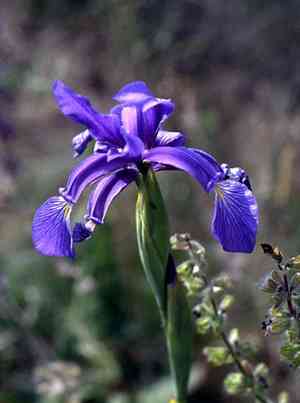
Blue iris(Iris spuria)

Blue iris (Iris spuria)

Also known as: Butterfly iris

The blue iris (Iris spuria) is notable for its impressive height, which can range from 91 to 183 cm. Unlike bearded irises, it is classified as beardless due to the absence of the characteristic fuzzy tuft. While it is attractive to butterflies, it often falls prey to pests such as the iris borer. This species thrives in well-drained soil and can handle periods of drought once established.

Attributes of Blue iris

Lifespan
Perennial
Plant Type
Herb
Plant Height
50 cm to 80 cm
Spread
90 cm
Leaf Color
Green Gray Blue Silver
Flower Size
2.5 cm
Flower Color
Blue White Yellow Purple Violet

ForwardPlant - Identify plants with a snap

Identify and diagnose plants, get toxicity alerts, and explore safety guides for all types of fungi.

Try for Free

Images of Blue iris

Blue iris(Iris spuria)

Quickly Identify Blue iris

1
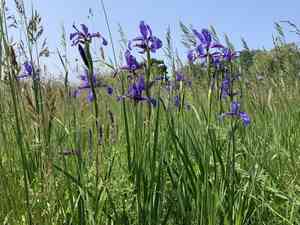
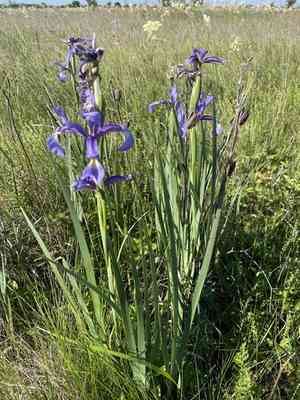
Lofty perennial reaching up to 5 feet (1.5 meters) with dense clumps.
2
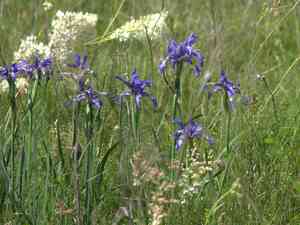
Distinctive flowers in bluish-purple, white, blue, purple, wine, and brown hues.
3
Oblong-ovate, hexagonal seed capsule up to 4 inches (10 cm) with beak-like appendage.
4
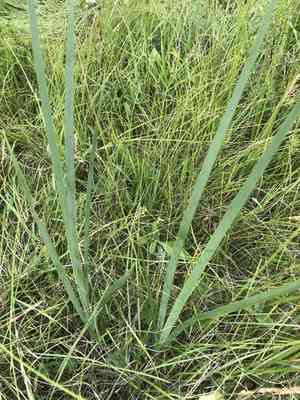
Slender, vibrant green linear leaves reaching 4 feet (120 cm) in length.
5
Sturdy, erect stem growing up to 5 feet (152 cm) with minimal branching.

Scientific Classification of Blue iris

Phylum
Vascular plants
Class
Monocotyledons
Order
Asparagales
Family
Iris
Genus
Irises
Species
Blue iris

Planting and Growing of Blue iris

Care Difficulty
Easy
Watering Schedule
Every 2 days
Sunlight Requirements
Full sun
Sunshine Duration
4-6 hours
Ideal Temperature
60-75℉
Soil Type
Potting Mix, Peat Mix
Soil pH
6.5-7.5
Fertilizer Type
Balanced
Pruning Season
Spring, Summer
Pruning Area
Branches, Leaves
Pruning Frequency
2 times a year
Repotting Season
Spring
Pot Type
Plastic, Ceramic

water icon How to Water Blue iris?

For Iris spuria, ensure to water it with about 500 milliliters each time, ensuring the soil is thoroughly dampened. It's crucial that the water reaches the root zone, but avoid pooling at the surface to prevent root rot. Watering should be deep but less frequent, allowing the top inch of soil to dry out between waterings.
What are the symptoms of an underwatered Blue iris?
What should I do if my Blue iris is not getting enough water?
What are the symptoms of an overwatered Blue iris?
How to save an overwatered Blue iris?

sunlight icon What Are the Sunlight Requirements for Blue iris?

Sunlight Requirements: Full sun, Partial sun
Duration of light: 6 to 8 hours
Iris spuria performs best under full sun to partial sun, with around 6 to 8 hours of light. This optimal range ensures vigorous growth, improved flowering, and overall plant health.
Optimal Sun Exposure
Solutions for Optimal Light
Benefits of Proper Lighting
More About Sunlight Requirements Techniques

temperature icon What Is the Ideal Temperature Range for Blue iris?

Ideal Temperature: 60 ~ 75℉
The ideal temperature range for Iris spuria, between 60°F and 75°F, is crucial as it ensures optimal growth, allowing natural metabolic and physiological processes to occur efficiently. This range supports healthy leaf and flower development, promoting vibrant blooms and overall plant vitality.

soil icon What Soil is Best for Blue iris?

Soil type: Loam, Sandy loam
Soil PH: 6.5 ~ 7.5
Iris spuria requires well-draining soil to prevent waterlogging, which can lead to root rot. Good drainage aids in maintaining soil aeration, enabling the roots to breathe and access nutrients more effectively. This iris thrives in nutrient-rich environments. Ensuring a soil abundant in organic matter can promote healthy growth by providing essential nutrients and improving soil structure. While drainage is crucial, the soil must also retain sufficient moisture. Sandy loam fits this requirement as it maintains moisture while ensuring excess water drains away, keeping the plant well-hydrated without being waterlogged.

fertilize icon How to Fertilize Blue iris?

Fertilizer type: Balanced
For Iris spuria, the fertilization amount should be modest, aiming to supplement nutrient needs without overwhelming the plant. Use approximately 1 tablespoon of balanced 10-10-10 liquid fertilizer per gallon of water. This will provide adequate nutrients while ensuring you don't over-fertilize.

prune icon How to Prune Blue iris?

Pruning Time: Spring, Summer, Autumn
Before you start pruning, sterilize your tools to prevent the spread of diseases. A simple solution of bleach and water will suffice. This step is crucial to maintain plant health and ensure successful pruning. When pruning Iris spuria, make sure to cut just above the leaf base. Avoid cutting into the rhizome or too low on the plant, as this can damage the plant and hinder its growth. Trim at a slight angle to allow moisture to run off. More About Pruning Techniques

propagate icon How to Propagate Blue iris plant?

Propagate Time: Spring, Early spring, Late spring
1
Seeds of Iris spuria should be collected from mature plants towards the end of the blooming season. Clean and dry the seeds thoroughly before planting them in a well-draining seed tray filled with a suitable potting mix.
2
During early spring or late autumn, dig up the Iris spuria clumps carefully. Use a sharp knife to cut the rhizomes, ensuring each section has healthy roots and foliage. Replant these divisions immediately to enhance establishment.
3
When planting seeds or divided rhizomes, ensure they are placed in well-prepared soil in an area with adequate sunlight. Water the new plants thoroughly to settle them in position, but avoid overwatering, which may cause rot.
More About Propagating Techniques

repot icon How to Repot Blue iris plant?

Repotting frequency: Every 2-3 years
1
Iris spuria should be considered for repotting when it exhibits signs of being root-bound, such as roots growing out of the drainage holes or a noticeable slowdown in growth. The ideal time to repot is during its dormant phase, either in early spring before new growth begins or in late autumn after blooming.
2
Select a pot that is slightly larger than the current one, ensuring it has sufficient drainage holes to prevent waterlogging, which can be detrimental to Iris spuria. A terracotta pot is preferable as it allows the soil to dry out between waterings, mimicking the plant’s natural environment and benefiting root health.
3
Opt for a well-draining, sandy loam soil mix to provide the right balance of moisture retention and aeration. This type of soil helps avoid potential rot issues and provides the essential nutrients Iris spuria needs to thrive, promoting healthy growth and vibrant blooms.

ForwardPlant - Identify plants with a snap

Find the best spots for them to optimize their health, simply using your phone.

Try for Free

Toxicity of Blue iris

Is Blue iris toxic to cat?

Every part of the blue iris (Iris spuria) is highly poisonous to cats, so it is essential to exercise caution when these plants are present in your garden or in a floral arrangement. The most hazardous component of the plant is its bulbs, and if your cat is seen playing around or digging in them, it is important to consult your veterinarian for guidance and potential treatment to prevent lasting organ harm. Common symptoms that should encourage you to contact your vet include vomiting, diarrhea, redness or irritation of the skin, or mouth ulcers.

Is Blue iris toxic to dog?

The blue iris is known to pose a moderate toxicity risk to dogs. This plant holds various toxic compounds that may lead to gastrointestinal upset. All sections of the plant harbor these substances, with the highest concentrations located in the roots. Consumption of blue iris can trigger symptoms such as excessive drooling, diarrhea, vomiting, and lethargy. In more extreme cases, significant consumption can result in severe reactions like coma and even death, but fortunately, such occurrences are quite uncommon.

Identify toxic plants for your safety

Learn which plants are harmful to you and your pets, and make informed choices for a safer home!

Try for Free
WARNING
The judgment on toxicity and danger is for reference only. We DO NOT GUARANTEE any accuracy of such judgment. Therefore, you SHALL NOT rely on such judgment. It is IMPORTANT TO SEEK PROFESSIONAL ADVICE in advance when necessary.
More About Toxic Techniques