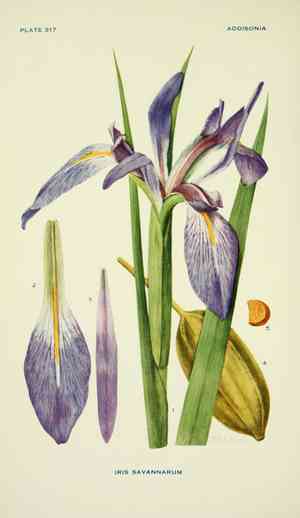
Iris savannarum (Iris savannarum)
Also known as: Savannah iris, Prairie iris
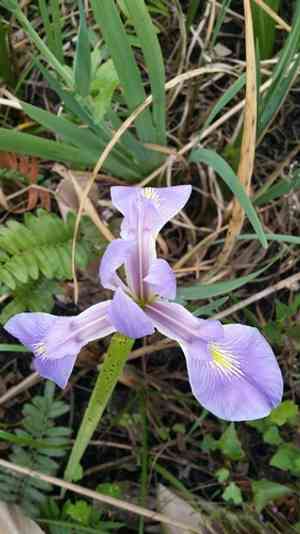
Iris savannarum showcases impressive adaptability in the dynamic environment of open savannas. Its tall, narrow leaves and striking, typically blue or purple flowers stand out, aiding in pollinator attraction. The blooms feature three prominent petals and sepals, which are not only visually appealing but also effective in drawing essential pollinators. These adaptations help Iris savannarum maintain its presence and thrive amidst the diverse plant life of the savanna.
In This Article
Attributes of Iris savannarum
Lifespan
Perennial
Plant Type
Herb
Plant Height
50-70 cm
Spread
N/A
Leaf Color
Bluish-green
Flower Size
8-10 cm
Flower Color
Blue to lavender with yellow markings
Images of Iris savannarum
Quickly Identify Iris savannarum
1
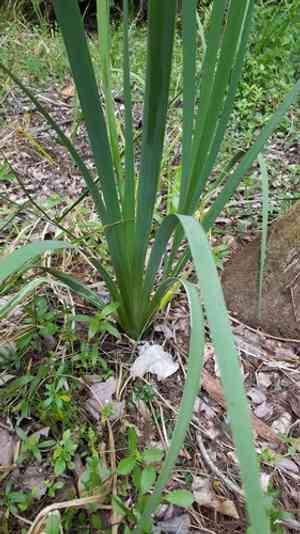
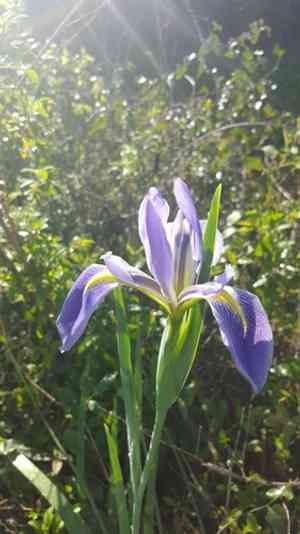
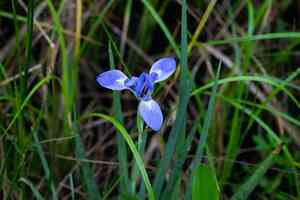
Iris savannarum can be identified by its sword-like leaves, which are usually bluish-green, and its distinctive blue to lavender flowers with yellow markings. The flowers typically bloom in spring to early summer.
Scientific Classification of Iris savannarum
Phylum
Vascular plants
Class
Monocotyledons
Order
Asparagales
Family
Iris
Genus
Irises
Species
Iris savannarum
Planting and Growing of Iris savannarum
Care Difficulty
Moderate
Watering Schedule
Every 3 days
Sunlight Requirements
Full sun
Sunshine Duration
6-8 hours
Ideal Temperature
70-80℉
Soil Type
Potting Mix, Peat Mix
Soil pH
6.5-7.5
Fertilizer Type
Balanced
Pruning Season
Spring, Summer
Pruning Area
Branches, Leaves
Pruning Frequency
2 times a year
Repotting Season
Spring
Pot Type
Plastic, Ceramic
 How to Water Iris savannarum?
Iris savannarum prefers soil that is consistently moist but not waterlogged. When watering, aim to thoroughly soak the soil while ensuring it drains well, preventing any water from pooling at the bottom. This typically equates to around 200 milliliters per session, adjusted depending on current environmental conditions like humidity and rainfall.
What are the symptoms of an underwatered Iris savannarum?
›
What should I do if my Iris savannarum is not getting enough water?
›
What are the symptoms of an overwatered Iris savannarum?
›
How to save an overwatered Iris savannarum?
›
 What Are the Sunlight Requirements for Iris savannarum?
Iris savannarum benefits from a range of 6-8 hours of full to partial sunlight, which helps maintain vigorous growth and abundant, healthy blooms.
What is the best lighting solution?
›
How can I ensure it gets ideal light?
›
What are the benefits of ideal lighting?
›
 What Is the Ideal Temperature Range for Iris savannarum?
The ideal temperature range for Iris savannarum is between 70°F and 80°F. This range allows the plant to thrive, promoting optimal photosynthesis and metabolic activity. Maintaining this range mimics the plant's natural environment, ensuring healthy growth and vibrant blooms.
 What Soil is Best for Iris savannarum?
Iris savannarum thrives in soil that drains well, preventing waterlogging and root rot. Having well-draining soil ensures that water percolates swiftly through, providing aeration and preventing soggy conditions detrimental to the plant's health. This plant benefits from loamy soil rich in organic matter. The nutrients present enhance growth, vigor, and better blooming, making it essential for the plant's optimal health to have fertile ground. While drainage is crucial, the soil should still retain some moisture. Sandy loam achieves this balance, allowing Iris savannarum to access water as needed but not remain saturated, which supports continuous growth.
 How to Fertilize Iris savannarum?
For Iris savannarum, it is advisable to apply a balanced liquid fertilizer at half of the recommended rate for flowering plants. This equates to approximately 1/2 teaspoon per gallon of water. When using granular, apply about 1 ounce per plant to avoid over-fertilization.
 How to Prune Iris savannarum?
Begin by familiarizing yourself with the structure of Iris savannarum. Look for older, dead, or damaged leaves and stems that need removal. Identify the main clusters of leaves and assess which areas need thinning out. This understanding helps in making precise pruning cuts. Start pruning by removing any dead or yellowing leaves near the base; use sharp, clean shears to avoid damage. Trim back old flower stalks just above the junction with the leaves. If the plant is dense, thin it out by cutting back some of the longer, more prominent stems from the center to promote airflow and light penetration.
More About Pruning Techniques→
 How to Propagate Iris savannarum plant?
1
Start by filling your seed tray with a well-draining seed starter mix. Sow Iris savannarum seeds thinly and cover them with a light layer of soil. Keep the soil moist but not waterlogged, and ensure that the tray is placed in a warm location with indirect sunlight. Germination requires patience and can take several weeks.
2
For division propagation, choose a mature Iris savannarum plant during the early summer. Carefully dig around the base of the plant and use a garden fork to lift the entire clump from the soil. Shake off excess soil to clearly see the rhizomes, which will make division easier.
3
Once the plant is lifted, gently separate the rhizomes using your hands or a clean knife. Ensure each division has healthy roots and a section of the rhizome. Plant the divisions promptly in well-amended soil, spacing them appropriately to give room for growth.
 How to Repot Iris savannarum plant?
1
Repot Iris savannarum when you notice roots growing out of drainage holes or the plant seems too cramped. Another sign is slow or stunted growth, which might mean it's root-bound. Ideally, seek a sunny day in spring or summer when the plant is not flowering to mitigate stress.
2
Opt for a pot that is 1-2 inches larger in diameter than the current one. This allows the roots room to expand without overwhelming them with excessive space. A pot with good drainage holes is crucial to prevent waterlogging, ensuring the plant remains healthy.
3
Select well-draining loamy soil to mimic its natural habitat. This type of soil prevents water from pooling around the roots, reducing the risk of root rot. Additionally, it provides essential nutrients that promote vibrant growth and flowering.
Toxicity
Ingestion, skin contact
WARNING
The judgment on toxicity and danger is for reference only. We DO NOT GUARANTEE any accuracy of such judgment. Therefore, you SHALL NOT rely on such judgment. It is IMPORTANT TO SEEK PROFESSIONAL ADVICE in advance when necessary.
Learn More About Iris savannarum Diseases
Anthracnose
Bacterial Leaf Spot
Bacterial Soft Rot
Bacterial Wilt
Black Spot
Chemical Injury
Crown Gall
Cyst Nematode
Damping-off
Downy Mildew
Drought Stress
Fusarium Wilt
Gray Mold
Leaf Spot
Mosaic
Nutrient Deficiency
Nutrient Toxicity
Powdery Mildew
Root Rot
Root-knot Nematode
Rusts
Sooty Mold
Spider Mites
Temperature Stress
Thrips Damage
White Mold



