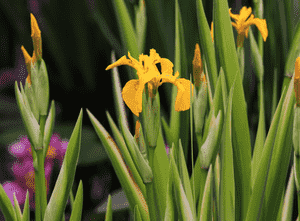
Yellow flag (Iris pseudacorus)
Also known as: Dragon flower, Paleyellow iris
The yellow flag (Iris pseudacorus) is a perennial flowering plant indigenous to Europe, North Africa, and parts of Asia. It is often grown as an ornamental plant in temperate regions worldwide. This plant contains tannin, which can cause skin irritation. Additionally, it is recognized as an invasive species in aquatic environments.
Attributes of Yellow flag
Images of Yellow flag
Quickly Identify Yellow flag
Scientific Classification of Yellow flag
Planting and Growing of Yellow flag
 How to Water Yellow flag?
 What Are the Sunlight Requirements for Yellow flag?
 What Is the Ideal Temperature Range for Yellow flag?
 What Soil is Best for Yellow flag?
 How to Fertilize Yellow flag?
 How to Prune Yellow flag?
 How to Propagate Yellow flag plant?
 How to Repot Yellow flag plant?
Toxicity of Yellow flag
Is Yellow flag toxic to humans?
The yellow flag presents a moderate level of toxicity risk to humans. Poisoning may occur through unintentional ingestion or exposure to the plant's sap. Every part of the plant is toxic, imbued with compounds that can elicit adverse effects. Consuming the plant can lead to symptoms such as nausea, vomiting, abdominal discomfort, and diarrhea. Exposure to the sap can result in skin irritation or allergic responses. It is essential to steer clear of unintentional ingestion and manage the plant with caution to avert poisoning incidents. Prompt medical attention should be sought if poisoning takes place.
Is Yellow flag toxic to cat?
The plant species known as yellow flag poses a toxic threat to felines. A frequent way that cats may be poisoned is through the accidental consumption of this plant. Notably, the leaves possess harmful properties. When a cat consumes any part of the yellow flag, it might start to show signs of discomfort or sickness. It is crucial for cat owners to keep a close eye on their pets and swiftly consult a veterinary clinic if any abnormal behavior or distress signals are noticed following possible contact with yellow flag.
Is Yellow flag toxic to dog?
The yellow flag is a plant that presents a serious threat to dogs due to its toxic nature. Canines are at risk of poisoning from the yellow flag when they consume any parts of the plant, especially the leaves, either accidentally or when permitted to wander freely in areas where this plant grows. Upon ingestion of yellow flag, dogs may display a variety of symptoms signaling potential poisoning. These symptoms can vary significantly in severity, and may encompass mild reactions such as vomiting, diarrhea, and excessive drooling, or more critical issues, including lethargy, trouble breathing, or irregular heart rates. It is essential for dog owners to remain alert and ensure their pets do not access environments where yellow flag is found. Should a dog ingest any portion of yellow flag, it is vital to seek immediate veterinary assistance to guarantee the most favorable outcome for the affected pet.



