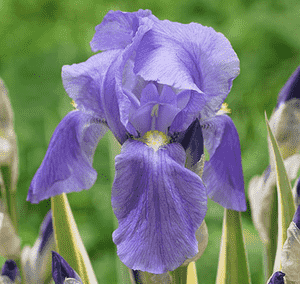
Sweet iris (Iris pallida)
Also known as: Pale iris
The sweet iris (Iris pallida) is a favored garden plant because of its elegant, tall stature and beautiful, fragrant flowers, usually in soft blue or lavender hues, that bloom in the spring. Its aromatic blossoms are a magnet for pollinators like bees and butterflies, enhancing garden biodiversity. The plant also features distinctive, sword-shaped foliage, which remains attractive throughout the growing season. Additionally, sweet iris is appreciated for its resilience and minimal care requirements, making it an excellent choice for gardeners of all skill levels.
In This Article
Attributes of Sweet iris
Lifespan
Perennial
Plant Type
Herb
Plant Height
61 cm to 91 cm
Spread
30 cm
Leaf Color
Green Yellow White Variegated Silver
Flower Size
12 cm
Flower Color
Blue Yellow Purple
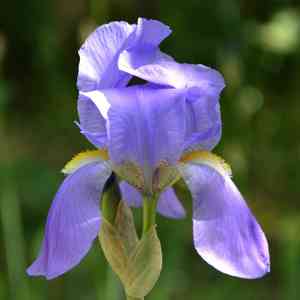
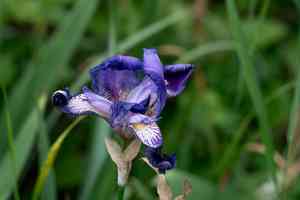
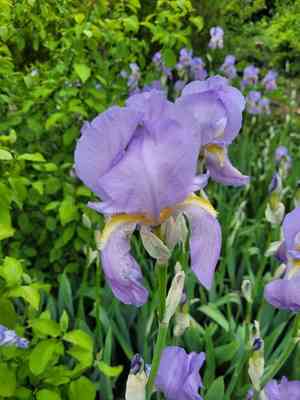
Images of Sweet iris
Quickly Identify Sweet iris
1
Iris pallida can be identified by its broad, sword-like leaves that are grey-green in color and its pale blue or violet flowers with a unique veined pattern. The flowers typically bloom in late spring to early summer and have a distinctive iris shape with three large outer petals (falls) and three inner petals (standards).
Scientific Classification of Sweet iris
Phylum
Vascular plants
Class
Monocotyledons
Order
Asparagus and allies
Family
Iris
Genus
Irises
Species
Sweet iris
Planting and Growing of Sweet iris
Care Difficulty
Easy
Watering Schedule
Every 2 days
Sunlight Requirements
Full sun
Sunshine Duration
6-10 hours
Ideal Temperature
60-75℉
Soil Type
Potting Mix, Peat Mix
Soil pH
6.5-7.5
Fertilizer Type
Balanced
Pruning Season
Spring, Summer
Pruning Area
Branches, Leaves
Pruning Frequency
Once a year
Repotting Season
Spring
Pot Type
Plastic, Ceramic
 How to Water Sweet iris?
When watering Iris pallida, it is essential to ensure the soil is thoroughly moist but not waterlogged. The general rule is to water the plant until you see drainage from the bottom of the pot, ensuring that about 500ml effectively reaches the roots. This quantity allows the soil to retain adequate moisture without oversaturating it, promoting healthy growth.
What are the symptoms of an underwatered Sweet iris?
›
What should I do if my Sweet iris is not getting enough water?
›
What are the symptoms of an overwatered Sweet iris?
›
How to save an overwatered Sweet iris?
›
 What Are the Sunlight Requirements for Sweet iris?
Iris pallida benefits most from full to partial sun, ideally receiving 6-8 hours of light daily, fostering optimal growth, vibrant blooms, and resistance to environmental stressors.
More About Sunlight Requirements Techniques→
What is the ideal lighting for Iris pallida?
›
How can I provide ideal lighting conditions for Iris pallida?
›
What benefits does Iris pallida gain from ideal lighting?
›
 What Is the Ideal Temperature Range for Sweet iris?
The ideal temperature range for cultivating Iris pallida is between 60°F and 75°F. Within this range, the plant is able to maintain vibrant foliage and a robust root system, ensuring healthy growth and optimal flowering. These temperatures mimic the natural habitat conditions of the species, which thrives in temperate climates. Consistent exposure to this range supports photosynthesis and nutrient absorption processes efficiently, leading to a flourishing plant.
 What Soil is Best for Sweet iris?
Iris pallida thrives in well-draining soil that prevents waterlogging, which can cause root rot. Well-draining properties ensure that the plant's roots receive adequate oxygen, promoting healthier growth. A fertile soil rich in nutrients supports robust iris growth, enhancing vibrant blooms and strong foliage. Incorporating organic matter like compost can boost soil fertility, benefiting the plant's overall vigor. Iris pallida prefers neutral to slightly alkaline pH levels, around 6.5 to 7.5, which supports optimal nutrient uptake. This pH range helps maintain a balanced soil ecosystem, fostering healthy plant development.
 How to Fertilize Sweet iris?
For Iris pallida, apply a balanced 10-10-10 liquid fertilizer at a rate of 0.5 tablespoons per gallon of water. Too much fertilizer can cause leaf burn, while too little may stunt growth.
 How to Prune Sweet iris?
Begin by using clean and sharp scissors or garden shears to trim the leaves. Remove any dead or yellowing leaves to improve the plant's appearance and encourage new growth. Aim to cut the leaves at an angle for better water runoff Once the flowers have faded, it's important to cut the flower stalks down to the base. This action prevents the plant from putting energy into seed production, ensuring it focuses on strengthening the rhizomes instead. If the plant becomes overcrowded, thin it out during the growing season. Remove some of the newer growths at the base. This reduces competition for nutrients and space, resulting in a stronger and more vibrant display.
More About Pruning Techniques→
 How to Propagate Sweet iris plant?
1
Carefully dig up Iris pallida rhizomes in spring or late summer. Use a sharp knife or pruners to cut rhizomes into pieces with at least one healthy shoot or fan. Replant sections with the rhizome just below soil level and water thoroughly.
2
Collect seeds from mature iris plants after they have fully dried on the plant. Soak seeds in water for 24 hours to soften the hard coating. Plant them in a well-draining soil mix, ensuring they are lightly covered with soil, and keep them moist for successful germination.
3
Once germinated seedlings have several leaves, transplant them into individual pots or specific areas in the garden. Ensure they are placed with adequate spacing to encourage healthy growth and reduce competition for nutrients.
 How to Repot Sweet iris plant?
1
Iris pallida needs repotting when its roots start crowding the pot or when the plant looks unhealthy despite proper care. The ideal time to repot is either in early spring, just as growth resumes, or in early autumn after blooming. These timings help the plant to recover comfortably, avoiding stress.
2
Select a pot that is just one size larger than the current one to prevent excessive water retention, which can cause root rot. Ensure the pot has drainage holes to allow excess water to escape, fostering a healthy root system by reducing the risk of water clogging and encouraging proper air circulation.
3
Opt for a well-draining, rich soil mix to provide ideal nutrition and moisture management for Iris pallida. A soil mix containing equal parts garden soil, compost, and sand or perlite offers the best support, ensuring that roots receive adequate nourishment while preventing waterlogging in the pot.
Toxicity
ingestion and skin contact
WARNING
The judgment on toxicity and danger is for reference only. We DO NOT GUARANTEE any accuracy of such judgment. Therefore, you SHALL NOT rely on such judgment. It is IMPORTANT TO SEEK PROFESSIONAL ADVICE in advance when necessary.
Learn More About Sweet iris Diseases
Bacterial Leaf Spot
Bacterial Soft Rot
Bacterial Wilt
Chemical Injury
Crown Gall
Cyst Nematode
Damping-off
Drought Stress
Fusarium Wilt
Gray Mold
Leaf Spot
Mosaic
Nutrient Deficiency
Nutrient Toxicity
Powdery Mildew
Root Rot
Root-knot Nematode
Rusts
Sooty Mold
Spider Mites
Temperature Stress
Thrips Damage
White Mold



