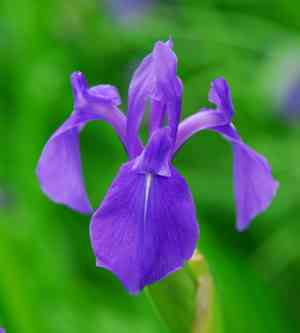
Rabbitear iris (Iris laevigata)
Also known as: Smooth Iris, Rabbitear Iris
The Canna Lily is a stunning perennial that creates a vibrant display when planted in clusters. Often featured in garden water features like ponds and streams, this plant is resistant to deer and a favorite of hummingbirds. Its vividly colored blooms combined with bold, striped leaves make it a standout choice for cottage gardens and flower beds.
In This Article
Attributes of Rabbitear iris
Lifespan
Perennial
Plant Type
Herb
Plant Height
80 cm
Spread
50 cm
Leaf Color
Green
Flower Size
8 cm to 15 cm
Flower Color
Blue Purple White
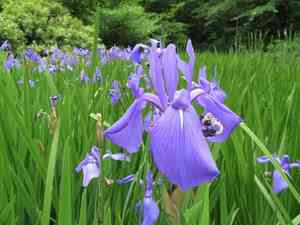
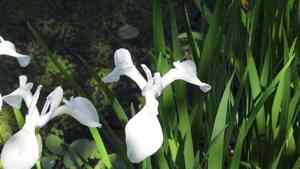
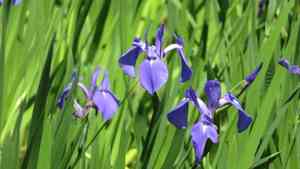
Images of Rabbitear iris
Quickly Identify Rabbitear iris
1
Elegant deep blue to purple flowers with 3 dropping and 3 smaller upright petals.
2
Distinctive narrow leaves, gracefully arching, up to 28 inches (70 cm) long.
3
Rhizomatous structure thriving in moist conditions, unique among iris species.
4
Flowers showy with vibrant purple hue, 4 inches (10 cm) wide.
5
Leaves strap-shaped, 2 feet (60 cm) long, lacking noticeable midrib, sleek appearance.
Scientific Classification of Rabbitear iris
Phylum
Vascular plants
Class
Monocotyledons
Order
Asparagus and allies
Family
Iris
Genus
Irises
Species
Rabbitear iris
Planting and Growing of Rabbitear iris
Care Difficulty
Easy
Watering Schedule
Every 4 days
Sunlight Requirements
Full sun
Sunshine Duration
6-10 hours
Ideal Temperature
68-77℉
Soil Type
Potting Mix, Peat Mix
Soil pH
6.5-7.5
Fertilizer Type
Balanced
Pruning Season
Spring, Summer
Pruning Area
Branches, Leaves
Pruning Frequency
2 times a year
Repotting Season
Spring
Pot Type
Plastic, Ceramic
 How to Water Rabbitear iris?
For Iris laevigata, it's essential to ensure the soil is uniformly moist but not waterlogged. This plant thrives in consistently wet conditions, especially during its growth period. Aim for about 500 ml per watering, saturating the soil until excess moisture begins to seep out of the pot's drainage holes.
What are the symptoms of an underwatered Rabbitear iris?
›
What should I do if my Rabbitear iris is not getting enough water?
›
What are the symptoms of an overwatered Rabbitear iris?
›
How to save an overwatered Rabbitear iris?
›
 What Are the Sunlight Requirements for Rabbitear iris?
For Iris laevigata, ideal light involves full to partial sunlight. These conditions promote vigorous growth and abundant blossoming, enhancing the plant's aesthetic and ecological roles in the environment.
More About Sunlight Requirements Techniques→
Optimal Sunlight Exposure
›
Achieving the Perfect Sunlight Balance
›
Benefits of Ideal Sunlight
›
 What Is the Ideal Temperature Range for Rabbitear iris?
The ideal temperature range for growing Iris laevigata is between 68°F and 77°F. Maintaining this range ensures optimal growth and flowering, as the plant thrives in moderately warm conditions. This temperature range supports key physiological processes, such as photosynthesis and nutrient uptake, allowing the plant to develop robust leaves and vibrant blooms.
 What Soil is Best for Rabbitear iris?
Iris laevigata thrives in soils that retain moisture without becoming waterlogged. Ensuring a well-moisturized soil supports vibrant growth and blooming, giving the plant a lush and healthy appearance. The plant prefers nutrient-rich soil to support its vigorous growth. A well-fed Iris laevigata exhibits enhanced flowering, showcasing its stunning blooms to their fullest potential. While Iris laevigata enjoys moisture, the soil should also provide good drainage to prevent root rot. This ensures the roots do not sit in water, maintaining plant health and longevity.
 How to Fertilize Rabbitear iris?
For Iris laevigata, it's crucial to provide a balanced approach to fertilization. When using liquid fertilizers, dilute them according to package instructions, typically one cap per gallon of water, to avoid root burn and ensure optimum growth conditions.
 How to Prune Rabbitear iris?
Start by removing any dead or yellowing leaves from the plant. This not only improves the plant's appearance but also helps prevent disease from spreading. After the flowering phase, cut back the spent flower stalks to promote further blooming. Make your cut at the base of the flower stalk to redirect energy back to the roots and foliage. Every 3-4 years, when clumps become too dense, divide the rhizomes. Dig up the plant and separate the rhizomes carefully, ensuring that each division has at least one healthy shoot and a good root system to replant.
More About Pruning Techniques→
 How to Propagate Rabbitear iris plant?
1
Start by identifying healthy clumps of Iris laevigata, looking for those with robust growth and no signs of disease. Healthy clumps ensure successful division and regrowth.
2
Using a gardening shovel, carefully excavate around the clump, lifting it gently from the soil. Ensure roots are minimally disturbed to reduce transplant shock.
3
Use pruning shears to split the clump into smaller sections, ensuring each has healthy roots and foliage. Replant these divisions promptly, watering them to settle the soil.
 How to Repot Rabbitear iris plant?
1
For Iris laevigata, the best time to repot is when the plant shows signs of being root-bound, such as roots growing out of the drainage holes or reduced flowering. Typically, these signs appear in early spring or late autumn, allowing the plant to establish itself before the growing season fully kicks in.
2
Select a pot that is one size larger than the current one, ensuring there is enough room for the roots to spread. Opt for pots with ample drainage holes to prevent waterlogging, which can lead to root rot. The right pot will allow the Iris to thrive and promote better flower production.
3
Use a soil mix that retains moisture yet drains well, such as a combination of loam, sand, and peat. This blend provides the necessary nutrients and structure, while preventing water from stagnating, fostering a healthy environment for the Iris laevigata.
Toxicity
ingested, contact with sap, chewing the leaves or stems
WARNING
The judgment on toxicity and danger is for reference only. We DO NOT GUARANTEE any accuracy of such judgment. Therefore, you SHALL NOT rely on such judgment. It is IMPORTANT TO SEEK PROFESSIONAL ADVICE in advance when necessary.
Learn More About Rabbitear iris Diseases
Anthracnose
Bacterial Leaf Spot
Bacterial Soft Rot
Bacterial Wilt
Black Spot
Chemical Injury
Crown Gall
Cyst Nematode
Damping-off
Downy Mildew
Drought Stress
Fusarium Wilt
Gray Mold
Leaf Spot
Mosaic
Nutrient Deficiency
Nutrient Toxicity
Powdery Mildew
Root Rot
Root-knot Nematode
Rusts
Sooty Mold
Spider Mites
Temperature Stress
Thrips Damage
White Mold



