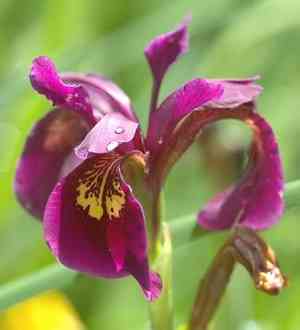
Iris hookeri (Iris hookeri)
Also known as: Beachhead Iris, Hooker's Iris
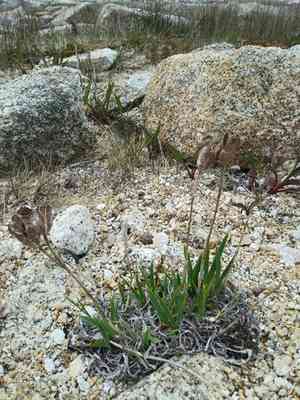
This plant is commonly found along the sea coasts and beaches in Maine and eastern Canada. It typically blooms during the summer months.
In This Article
Attributes of Iris hookeri
Lifespan
Perennial
Plant Type
Herb
Plant Height
30 cm
Spread
20 cm
Leaf Color
Green
Flower Size
5-7 cm
Flower Color
Purple
Images of Iris hookeri
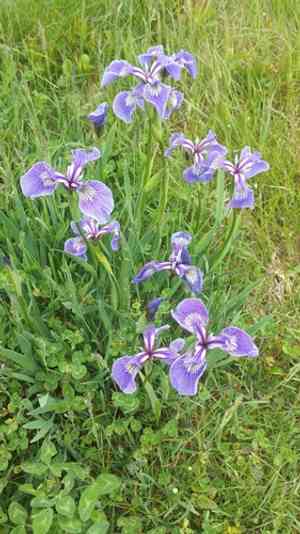
Quickly Identify Iris hookeri
1
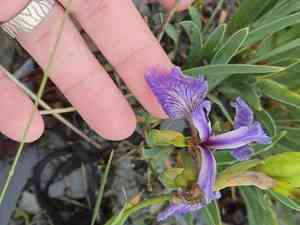
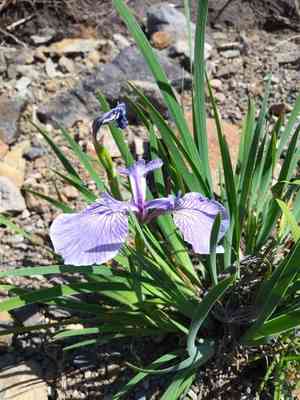
Iris hookeri can be identified by its blue-purple flowers that have yellow or white markings on the falls (lower petals). The stems are slender and upright, supporting narrow, grass-like leaves. The flowers typically bloom in late spring to early summer.
Scientific Classification of Iris hookeri
Phylum
Vascular plants
Class
Monocotyledons
Order
Asparagales
Family
Iris
Genus
Irises
Species
Iris hookeri
Planting and Growing of Iris hookeri
Care Difficulty
Easy
Watering Schedule
Every 3 days
Sunlight Requirements
Full sun
Sunshine Duration
6-10 hours
Ideal Temperature
60-70℉
Soil Type
Potting Mix, Peat Mix
Soil pH
6.5-7.5
Fertilizer Type
Balanced
Pruning Season
Spring, Summer
Pruning Area
Branches, Leaves
Pruning Frequency
2 times a year
Repotting Season
Spring
Pot Type
Plastic, Ceramic
 How to Water Iris hookeri?
Iris hookeri requires moderate watering. Ensure the soil is moist but not waterlogged. Ideally, water until you see it draining from the pot bottom, indicating saturation without overdoing it.
What are the symptoms of an underwatered Iris hookeri?
›
What should I do if my Iris hookeri is not getting enough water?
›
What are the symptoms of an overwatered Iris hookeri?
›
How to save an overwatered Iris hookeri?
›
 What Are the Sunlight Requirements for Iris hookeri?
Partial sun to Full sun suits Iris hookeri best, promoting sturdy growth and robust flowering. Ideal sunlight ensures optimal energy for photosynthesis, leading to vibrant, abundant blooms.
How much sunlight is optimal for Iris hookeri?
›
What solutions ensure ideal lighting for Iris hookeri outdoors?
›
How does optimal sunlight affect the health of Iris hookeri?
›
 What Is the Ideal Temperature Range for Iris hookeri?
The ideal temperature range for cultivating Iris hookeri is between 60°F and 70°F. This range supports optimal growth and blooming. Consistent temperatures within this range allow the plant to photosynthesize efficiently, leading to healthy development and vibrant flowers. Why is this range important? It provides the right balance of warmth and coolness, ensuring metabolic activities proceed without stress.
 What Soil is Best for Iris hookeri?
Iris hookeri thrives in well-drained soil conditions. This ensures that its roots do not stay waterlogged, reducing the risk of rot and promoting healthier growth. A soil rich in organic matter provides Iris hookeri with essential nutrients, fostering robust foliage and vibrant blooms. Incorporating compost can enhance soil fertility effectively. Consistent moisture is beneficial for Iris hookeri, but waterlogged conditions should be avoided. Mulching can help retain soil moisture while preventing excess evaporation.
 How to Fertilize Iris hookeri?
Iris hookeri requires a balanced approach to fertilization. For liquid fertilizers, use a diluted solution with a 1/4 strength of what is recommended on the label. For slow-release fertilizers, aim for about 1 tablespoon per plant, evenly spread around the base.
 How to Prune Iris hookeri?
Start by gathering sharp pruning shears and clean gardening gloves. Begin with removing any dead or damaged leaves by cutting them at the base. This prevents decay and pest infestation, helping maintain a healthy root system. After the iris blooms have wilted, carefully trim the flower stalks down to their base. This practice redirects the plant's energy towards foliage and root development, rather than seed production. Every 3 to 5 years, divide dense clumps to rejuvenate growth. Dig up the entire clump, separate healthy rhizomes, and replant them. This not only controls plant size but also renews vigor and bloom density.
More About Pruning Techniques→
 How to Propagate Iris hookeri plant?
1
Collect seeds from mature Iris hookeri plants once the seed pods are dry and brown. This ensures that the seeds are fully developed and viable for propagation.
2
Ensure that the soil for planting is well-drained and rich in organic matter. Amending the soil with compost can improve its texture and nutrient content.
3
Carefully dig up the mature plant using a garden fork, gently separate the rhizomes, and replant them at the same depth in prepared garden beds. This should be done in the early spring to give the plants time to establish before the growing season.
 How to Repot Iris hookeri plant?
1
Iris hookeri shows signs for repotting when its roots start crowding the pot, causing them to emerge through the drainage holes. Additionally, if you notice the soil drying out quickly despite regular watering, it indicates a need for fresh soil. Undertake this task ideally in spring or summer to promote healthy growth.
2
Select a pot that is slightly larger than the current one, with ample drainage holes. A ceramic or clay pot is ideal as it provides stability and breathability, ensuring the roots remain aerated and healthy. This selection helps prevent root rot, giving your Iris a solid foundation to thrive.
3
Opt for a well-draining loamy soil mix, possibly adding some sand for improved drainage. This type of soil ensures excess moisture doesn't linger around the roots, reducing the risk of rot and enabling robust growth. It's a balanced medium that supports both retaining necessary nutrients and allowing adequate aeration.
Learn More About Iris hookeri Diseases
Anthracnose
Bacterial Leaf Spot
Bacterial Soft Rot
Bacterial Wilt
Black Spot
Chemical Injury
Crown Gall
Cyst Nematode
Damping-off
Downy Mildew
Drought Stress
Fusarium Wilt
Gray Mold
Leaf Spot
Mosaic
Nutrient Deficiency
Nutrient Toxicity
Powdery Mildew
Root Rot
Root-knot Nematode
Rusts
Sooty Mold
Spider Mites
Temperature Stress
Thrips Damage
White Mold



