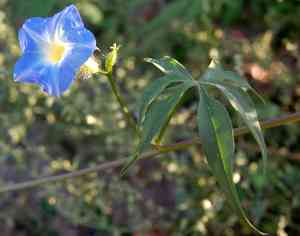
Morning glories (Ipomoea) (Ipomoea)
Also known as: Water convolvuluses, Moonflowers
Morning glories are often referred to by various colloquial names such as bindweed, moonflower (especially the night-blooming types), and Ipomoea. These climbing vines are admired for their vibrant, large flowers and are popular in ornamental gardening.
Attributes of Morning glories (Ipomoea)
Images of Morning glories (Ipomoea)
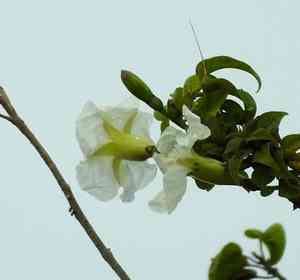

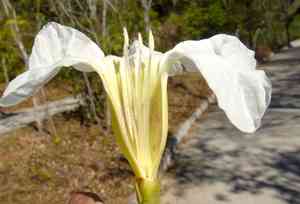
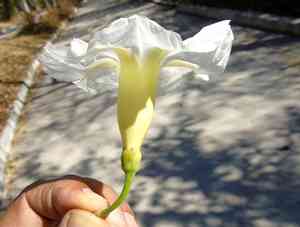
Quickly Identify Morning glories (Ipomoea)
Scientific Classification of Morning glories (Ipomoea)
Planting and Growing of Morning glories (Ipomoea)
 How to Water Morning glories (Ipomoea)?
 What Are the Sunlight Requirements for Morning glories (Ipomoea)?
 What Is the Ideal Temperature Range for Morning glories (Ipomoea)?
 What Soil is Best for Morning glories (Ipomoea)?
 How to Fertilize Morning glories (Ipomoea)?
 How to Prune Morning glories (Ipomoea)?
 How to Propagate Morning glories (Ipomoea) plant?
 How to Repot Morning glories (Ipomoea) plant?
Toxicity of Morning glories (Ipomoea)
Is Morning glories (Ipomoea) toxic to cat?
The tendrils, blossoms, and notably the seeds of morning glories possess moderate to severe toxicity for cats and might necessitate veterinary intervention. Consumption of even a minimal quantity could trigger symptoms akin to those of an allergic reaction. In cases of significant exposure, the effects can be more serious, manifesting as vomiting, confusion, diarrhea, muscular tremors, and hallucinations.
Is Morning glories (Ipomoea) toxic to dog?
Ingesting the seeds from certain species of morning glories, which belong to the Ipomoea genus, can lead to mild to severe toxicity in dogs. These seeds contain high concentrations of various toxic alkaloids. Mild poisoning symptoms can manifest as vomiting, diarrhea, confusion, or lack of coordination. In more severe cases, toxicity may result in hallucinations, tremors, or even liver failure. If morning glories poisoning is suspected, it is typically essential to seek veterinary care.


