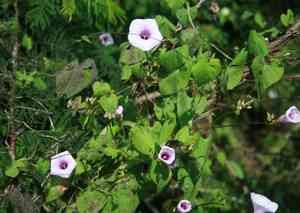
Ipomoea trifida (Ipomoea trifida)
Also known as: Sweet Potato, Wild Sweet Potato
Ipomoea trifida is a perennial vine distinguished by its heart-shaped leaves and delicate, funnel-shaped flowers. Commonly found in tropical areas, it climbs over other vegetation to access sunlight. The flowers, usually pale purple or blue, not only help in identifying the plant but also attract various pollinators, which are crucial for its reproduction.
In This Article
Attributes of Ipomoea trifida
Lifespan
Annual
Plant Type
Herb, Vine
Plant Height
0.5 to 3 meters
Spread
N/A
Leaf Color
Green
Flower Size
3 to 5 centimeters
Flower Color
Pink, Purple
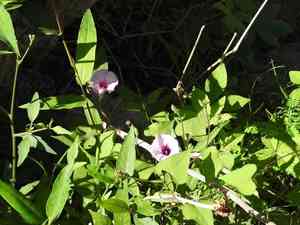
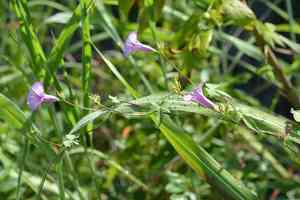
Images of Ipomoea trifida


Quickly Identify Ipomoea trifida
1
Ipomoea trifida can be identified by its heart-shaped leaves, twining stems, and funnel-shaped flowers. The leaves are deeply lobed, and its flowers are typically pink or purple with a darker center.
Scientific Classification of Ipomoea trifida
Phylum
Vascular plants
Class
Dicotyledons
Order
Solanales
Family
Morning-glory
Genus
Morning glories
Species
Ipomoea trifida
Planting and Growing of Ipomoea trifida
Care Difficulty
Easy
Watering Schedule
Every 8 days
Sunlight Requirements
Full sun
Sunshine Duration
6-10 hours
Ideal Temperature
70-85℉
Soil Type
Potting Mix, Peat Mix
Soil pH
5.5-7.5
Fertilizer Type
Balanced
Pruning Season
Spring, Summer
Pruning Area
Branches, Leaves
Pruning Frequency
2 times a year
Repotting Season
Spring
Pot Type
Plastic, Ceramic
 How to Water Ipomoea trifida?
For Ipomoea trifida, it's important to ensure the soil is consistently moist but not waterlogged. A good rule of thumb is to water until the top inch of soil is visibly moist, yet no excess water drains out. This ensures that the plant gets enough moisture without drenching the roots, which can lead to root rot.
What are the symptoms of an underwatered Ipomoea trifida?
›
What should I do if my Ipomoea trifida is not getting enough water?
›
What are the symptoms of an overwatered Ipomoea trifida?
›
How to save an overwatered Ipomoea trifida?
›
 What Are the Sunlight Requirements for Ipomoea trifida?
Ipomoea trifida thrives in full to partial sun. Ideal light ensures flourishing foliage and abundant flowers, enhancing the plant's beauty and vibrancy.
What is the ideal light condition for Ipomoea trifida?
›
How can I achieve the ideal lighting for Ipomoea trifida?
›
What benefits does ideal lighting bring to the plant?
›
 What Is the Ideal Temperature Range for Ipomoea trifida?
Ipomoea trifida thrives best in temperatures ranging from 70°F to 85°F. This range provides the ideal conditions for photosynthesis and growth, ensuring that the plant remains healthy and robust. Maintaining consistent temperatures within this range supports reproduction and flowering, ultimately leading to vigorous plant development. It's important to avoid rapid fluctuations to promote steady growth.
 What Soil is Best for Ipomoea trifida?
Ipomoea trifida thrives in soil that offers excellent drainage. This requirement ensures that roots don’t rot and the plant receives sufficient oxygen, promoting healthy growth. A nutrient-rich environment is vital for this plant. Utilizing compost or organic matter can enhance soil fertility, ensuring robust and vibrant plant development. While Ipomoea trifida prefers well-moisturized soil, it shouldn’t be waterlogged. Careful watering helps maintain a happy medium, supporting better growth and resilience.
 How to Fertilize Ipomoea trifida?
Ipomoea trifida requires moderate fertilization. When using liquid fertilizers, a dosage of 1 teaspoon per gallon of water is typically effective. For slow-release fertilizers, distribute them evenly in the soil at a rate of 1/2 cup per plant, ensuring proper coverage around the plant's base.
 How to Prune Ipomoea trifida?
Begin by examining the Ipomoea trifida for any dead or damaged stems and leaves. Using clean, sharp pruning shears, carefully trim away these areas to promote healthier growth. Next, cut back any overly long or unsightly vines to encourage a more compact and bushy appearance. Always make your cuts just above a leaf node or bud to support new growth.
More About Pruning Techniques→
 How to Propagate Ipomoea trifida plant?
1
Begin by filling a seed tray with a well-draining soil mix. Sow the Ipomoea trifida seeds about 1/4 inch deep and lightly cover them with soil. Place the tray in a warm location with indirect sunlight to facilitate germination. Ensure the soil remains moist but not waterlogged.
2
Select a healthy stem from the parent plant and use pruning shears to cut a 4-6 inch segment. Remove the leaves from the lower half of the cutting. Dip the cut end into a rooting hormone to encourage faster root development before planting.
3
Once the seeds have germinated or the cuttings have developed strong roots, transplant them into individual pots with rich, well-draining soil. Position them in a slightly shaded area to acclimate before moving to their final growing location.
 How to Repot Ipomoea trifida plant?
1
Look for signs like roots growing out of drainage holes or the soil drying out rapidly after watering. These indicate it's time to repot your Ipomoea trifida. Spring and summer are ideal, as the plant is in its active growing phase, allowing it to recover quickly from the process.
2
Select a pot that is one size larger than the current one to give the roots room to grow. The pot should have good drainage holes to prevent waterlogging, which can lead to root rot. Choosing the right pot prevents stress on the plant and promotes healthy growth.
3
Use a well-draining potting mix to ensure excess water can easily escape, preventing the roots from sitting in moisture. A good soil mix facilitates healthy root growth and provides essential nutrients, leading to a vigorous and thriving Ipomoea trifida.
Toxicity
Ingestion
WARNING
The judgment on toxicity and danger is for reference only. We DO NOT GUARANTEE any accuracy of such judgment. Therefore, you SHALL NOT rely on such judgment. It is IMPORTANT TO SEEK PROFESSIONAL ADVICE in advance when necessary.


