
Silky morning glory (Ipomoea pubescens)
Also known as: None
The silky morning glory (Ipomoea triloba) is a climbing vine notable for its heart-shaped leaves and silky hairs covering its stems and leaves, giving it a soft, downy appearance. Its twining nature allows it to climb and spread, seeking sunlight. This plant produces small, trumpet-shaped flowers in shades of pink or lavender, which attract various pollinators. It thrives in tropical and subtropical environments, favoring well-drained soils and areas with full to partial sunlight, often found in disturbed areas, fields, and roadsides.
In This Article
Attributes of Silky morning glory
Lifespan
Perennial
Plant Height
Up to 3 meters
Spread
Approximately 1 meter
Leaf Color
Green
Flower Size
About 5-7 centimeters
Flower Color
White, pink, or purple
Images of Silky morning glory
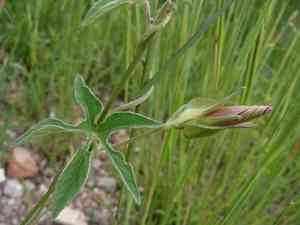

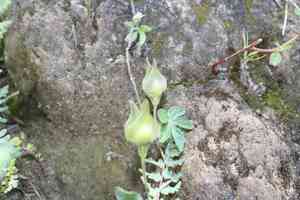

Quickly Identify Silky morning glory
1
Look for a climbing or trailing growth habit, heart-shaped leaves, and funnel-shaped flowers that can be white, pink, or purple.
Scientific Classification of Silky morning glory
Phylum
Vascular plants
Class
Dicotyledons
Order
Solanales
Family
Morning-glory
Genus
Morning glories
Species
Silky morning glory
Planting and Growing of Silky morning glory
Care Difficulty
Moderate
Watering Schedule
Every 2 days
Sunlight Requirements
Full sun
Sunshine Duration
6-10 hours
Ideal Temperature
65-77℉
Soil Type
Potting Mix, Peat Mix
Soil pH
6.5-7.5
Fertilizer Type
Balanced
Pruning Season
Spring, Summer
Pruning Area
Branches, Leaves
Pruning Frequency
2 times a year
Repotting Season
Spring
Pot Type
Plastic, Ceramic
 How to Water Silky morning glory?
When watering Ipomoea pubescens, aim to provide about 500 ml of water per session. This ensures the soil is moist but not waterlogged. Always water until you see a slight runoff from the drainage holes to confirm the entire root system is hydrated.
What are the symptoms of an underwatered Silky morning glory?
›
What should I do if my Silky morning glory is not getting enough water?
›
What are the symptoms of an overwatered Silky morning glory?
›
How to save an overwatered Silky morning glory?
›
 What Are the Sunlight Requirements for Silky morning glory?
Ipomoea pubescens ideally flourishes in full sun to partial sun, enhancing its growth with healthy, vibrant foliage and stronger flowering. Proper light exposure bolsters photosynthesis and overall plant vigor.
What is the optimal amount of sunlight Ipomoea pubescens needs?
›
What solutions ensure ideal lighting for Ipomoea pubescens?
›
What are the benefits of ideal lighting for Ipomoea pubescens?
›
 What Is the Ideal Temperature Range for Silky morning glory?
Ipomoea pubescens thrives best within temperature ranges that closely mimic its native habitat. For cultivators aiming for optimal growth, maintaining an environment where temperatures consistently range from 65°F to 77°F is recommended. This range ensures that metabolic processes such as photosynthesis and respiration can occur efficiently, leading to healthy growth and vibrant blooming.
 What Soil is Best for Silky morning glory?
Ipomoea pubescens thrives in well-draining soil, as this prevents waterlogged conditions which can cause root rot. Ensuring good drainage helps the plant maintain healthy roots and promotes vigorous growth. The plant favors nutrient-rich soil that can provide essential minerals and vitamins for its growth. Incorporating organic matter or compost can enhance soil fertility, supporting lush foliage and abundant flowering. While it's important for the soil to drain well, it should also retain some moisture to sustain the plant during dry periods. A balance in moisture levels prevents stress and promotes steady development.
 How to Fertilize Silky morning glory?
For Ipomoea pubescens, moderate fertilization is key. During the growing season, apply half-strength liquid fertilizer every two weeks. Too much fertilizer can lead to excessive foliage growth at the expense of flowers, so balancing nutrients is crucial.
 How to Prune Silky morning glory?
Avoid pruning during extremely hot or rainy days as this can stress the plant and lead to poor regrowth. Opt for cool, dry weather for optimal results. Safely dispose of all removed plant materials to prevent disease spread. Compost the healthy cuttings, but discard any diseased materials in a sealed bag. After pruning, regularly check the plant for any signs of stress or disease. Pruning can leave the plant vulnerable, making it essential to ensure it's recovering well.
More About Pruning Techniques→
 How to Propagate Silky morning glory plant?
1
Collect seeds from mature Ipomoea pubescens plants when the seed pods have dried. Carefully remove the seeds from their pods to ensure they remain viable.
2
Prepare a nutrient-rich, well-draining soil mix. A mix of peat moss, perlite, and compost works well to support seed germination and cutting growth.
3
Sow the seeds about a quarter-inch deep in the soil. Water lightly to maintain soil moisture but avoid overwatering, which could lead to seed rot.
 How to Repot Silky morning glory plant?
1
Ipomoea pubescens shows it's time to repot when its roots start protruding from the drainage holes, or when the plant visibly becomes root-bound and its growth slows. Check for these signs during spring or summer to give your plant the best chance to adjust before its active growth phase.
2
Choose a pot that's 1-2 inches larger in diameter than the current one. Ensure it has good drainage to prevent waterlogging. A larger pot gives roots room to grow, which supports overall plant health and vigor.
3
Select a well-draining potting mix that replicates sandy loam soil. This helps prevent root rot by allowing excess water to escape quickly and retains enough moisture to sustain the plant between watering sessions.


