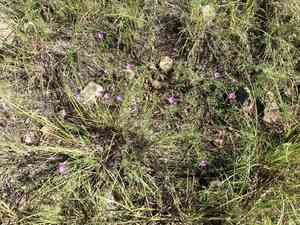
Huachuca mountain morning glory (Ipomoea plummerae)
Also known as: Plummer's Morning Glory
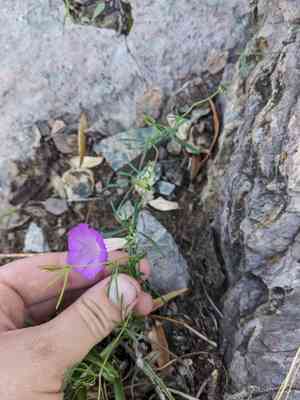
The Huachuca Mountain morning glory (Ipomoea plummerae) is a perennial vine known for its heart-shaped leaves and striking pink to purplish funnel-shaped flowers. It flourishes in mountainous and rocky terrains, often twining around nearby structures for support. This plant blooms from late summer to early fall, typically between July and September. The vibrant flowers not only add a splash of color to the arid landscape but also attract various pollinators, showcasing the plant's adaptability to dry conditions.
In This Article
Attributes of Huachuca mountain morning glory
Lifespan
Perennial
Plant Type
Vine, Herb
Plant Height
1.5-3 meters
Spread
1-2 meters
Leaf Color
Green
Flower Size
5-8 centimeters
Flower Color
Pink to Purple
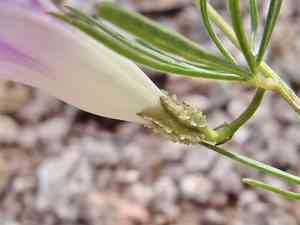
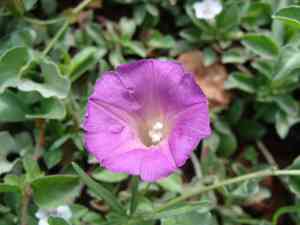
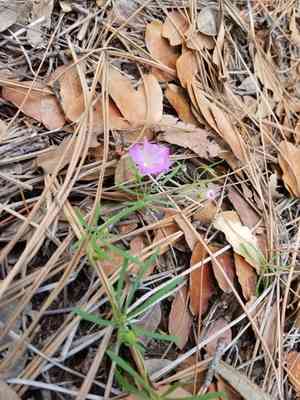
Images of Huachuca mountain morning glory
Quickly Identify Huachuca mountain morning glory
1
Identify Plummer\'s Morning Glory by its heart-shaped leaves and vibrant funnel-shaped pink to purple flowers. The stems are typically twining and can grow aggressively.
Scientific Classification of Huachuca mountain morning glory
Phylum
Vascular plants
Class
Dicotyledons
Order
Solanales
Family
Morning-glory
Genus
Morning glories
Species
Huachuca mountain morning glory
Planting and Growing of Huachuca mountain morning glory
Care Difficulty
Moderate
Watering Schedule
Every 4 days
Sunlight Requirements
Full sun
Sunshine Duration
4-6 hours
Ideal Temperature
65-75℉
Soil Type
Potting Mix, Peat Mix
Soil pH
6.5-7.5
Fertilizer Type
Balanced
Pruning Season
Spring, Summer
Pruning Area
Branches, Leaves
Pruning Frequency
2 times a year
Repotting Season
Spring
Pot Type
Plastic, Ceramic
 How to Water Huachuca mountain morning glory?
For Ipomoea plummerae, water until the soil feels evenly moist but not waterlogged. Aim to provide approximately 300 milliliters per watering session to ensure the roots get adequate hydration without causing soil saturation.
What are the symptoms of an underwatered Huachuca mountain morning glory?
›
What should I do if my Huachuca mountain morning glory is not getting enough water?
›
What are the symptoms of an overwatered Huachuca mountain morning glory?
›
How to save an overwatered Huachuca mountain morning glory?
›
 What Are the Sunlight Requirements for Huachuca mountain morning glory?
Ipomoea plummerae does best in conditions of partial to full sun exposure, allowing consistent, healthy foliage and optimal flowering. Proper light ensures vigorous growth cycles and healthy, bright blooms.
How much sunlight does Ipomoea plummerae need?
›
What are the benefits of adequate sunlight for the plant?
›
How can you ensure the plant gets enough light indoors?
›
 What Is the Ideal Temperature Range for Huachuca mountain morning glory?
Ipomoea plummerae thrives best within a temperature range of 65°F to 75°F. These temperatures provide optimal conditions for photosynthesis and growth, ensuring that the plant can efficiently produce energy. Consistent exposure to this range supports the development of healthy foliage and flowers.
 What Soil is Best for Huachuca mountain morning glory?
Ipomoea plummerae thrives best in well-draining soil to prevent root rot. Proper drainage ensures that the roots receive ample oxygen, promoting healthy growth and vibrant blooms. Rich, fertile soil enhances the growth of Ipomoea plummerae by providing essential nutrients needed for strong and vigorous growth. Regularly adding organic matter can maintain the soil's fertility. Soil with a medium level of moisture retention supports sustained hydration while preventing over-saturation. This balance is crucial for the plant to flourish without succumbing to diseases.
 How to Fertilize Huachuca mountain morning glory?
Ipomoea plummerae, commonly known as Plummer's morning-glory, thrives on a modest nutrient schedule. A general guideline is to use a diluted liquid fertilizer at half the recommended dose to avoid root burn, particularly during the growing season.
 How to Prune Huachuca mountain morning glory?
Start by removing any old, dead, or diseased stems. By cutting these out, you prevent disease spread and make space for new, healthy growth. Look for brown, dry, or wilted stems as they usually indicate these issues. To maintain a desirable shape, gently trim back any excessively long or unruly vines. This not only manages the plant's appearance but also encourages denser growth, resulting in a fuller look. Prune back to just above a leaf node where you want the plant to produce more blooms. This strategic cutting will concentrate the plant's energies into flower production, resulting in a vibrant display.
More About Pruning Techniques→
 How to Propagate Huachuca mountain morning glory plant?
1
Fill the seed tray with a well-draining potting mix. Water it lightly to ensure it is moist but not waterlogged. Level the surface to make it ready for seed sowing.
2
Place the Ipomoea plummerae seeds on the surface of the soil. Cover them lightly with a thin layer of soil. Ensure they are spaced out evenly to allow for adequate growth and air circulation.
3
Select a healthy stem from the parent plant. Use pruning shears to cut a piece of about 10-15 cm long. Remove leaves from the lower half to prevent rot when planted.
 How to Repot Huachuca mountain morning glory plant?
1
Signs that Ipomoea plummerae needs repotting include roots growing out of the drainage holes. If the soil dries out very quickly or the plant becomes top-heavy, it is an indication the pot might be too small.
2
Select a pot that is one size larger than the current one, with adequate drainage holes. The right pot ensures proper root expansion, which will help in the healthy growth and blooming of Ipomoea plummerae.
3
Choose a well-aerated, light soil mix designed for cacti or succulents to ensure proper drainage. This will emulate the plant’s natural conditions and help prevent waterlogging, which can lead to root rot.
Learn More About Huachuca mountain morning glory Diseases
Anthracnose
Bacterial Leaf Spot
Bacterial Soft Rot
Bacterial Wilt
Chemical Injury
Crown Gall
Cyst Nematode
Damping-off
Downy Mildew
Drought Stress
Fusarium Wilt
Gray Mold
Leaf Curl
Leaf Spot
Mosaic
Nutrient Deficiency
Nutrient Toxicity
Powdery Mildew
Root Rot
Root-knot Nematode
Rusts
Sooty Mold
Spider Mites
Temperature Stress
Thrips Damage
White Mold



