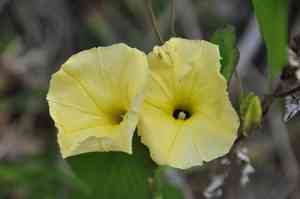
Fence morning-glory (Ipomoea ochracea)
Also known as: Yellow Morning Glory, Wild Potato Vine
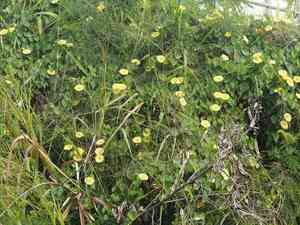
The fence morning-glory is a vigorous climbing vine known for its heart-shaped leaves and trumpet-like flowers that come in shades from ivory to soft yellow. The flowers often feature a gradient with a darker center, enhancing their visual appeal. These blooms are mildly scented and thrive in sunny, warm conditions, making them highly attractive to pollinators such as bees, butterflies, and hummingbirds. The plant's twining stems allow it to climb and reach for sunlight, showcasing its robust growth. Its unique flowers play a vital role in supporting local pollinator populations.
In This Article
Attributes of Fence morning-glory
Lifespan
Perennial
Plant Type
Vine, Herb
Plant Height
Up to 2-3 meters
Spread
Variable, as it is a climbing vine
Leaf Color
Green
Flower Size
About 5-7 cm
Flower Color
Bright yellow
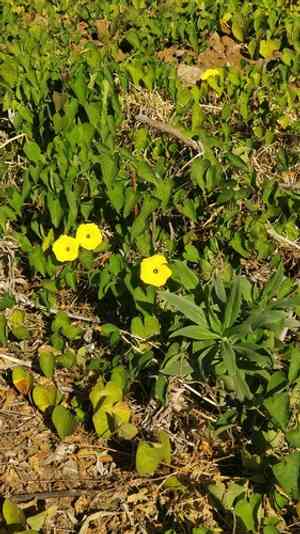
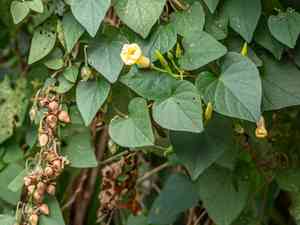
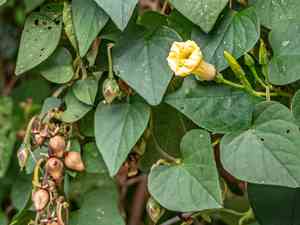
Images of Fence morning-glory
Quickly Identify Fence morning-glory
1
Identifiable by its bright yellow, funnel-shaped flowers and heart-shaped leaves. The vine can grow to considerable lengths, often found twining around other plants or structures.
Scientific Classification of Fence morning-glory
Phylum
Vascular plants
Class
Dicotyledons
Order
Solanales
Family
Morning-glory
Genus
Morning glories
Species
Fence morning-glory
Planting and Growing of Fence morning-glory
Care Difficulty
Moderate
Watering Schedule
Every 3 days
Sunlight Requirements
Full sun
Sunshine Duration
6-10 hours
Ideal Temperature
68-86℉
Soil Type
Potting Mix, Peat Mix
Soil pH
6.5-7.5
Fertilizer Type
Balanced
Pruning Season
Spring, Summer
Pruning Area
Branches, Leaves
Pruning Frequency
2 times a year
Repotting Season
Spring
Pot Type
Plastic, Ceramic
 How to Water Fence morning-glory?
For Ipomoea ochracea, it's essential to ensure that the soil is evenly moist but not soggy. Each watering session should see about 500 ml of water per plant. This amount ensures that the root zone is thoroughly wetted, allowing the plant to absorb adequate moisture without causing root rot. Adjust the watering amount if you notice that the soil's drainage differs or during periods of heavy rain.
What are the symptoms of an underwatered Fence morning-glory?
›
What should I do if my Fence morning-glory is not getting enough water?
›
What are the symptoms of an overwatered Fence morning-glory?
›
How to save an overwatered Fence morning-glory?
›
 What Are the Sunlight Requirements for Fence morning-glory?
Ipomoea ochracea prefers a range from full to partial sun exposure. Ideal lighting promotes healthy photosynthesis, vibrant blooms, and lush foliage, essential for maintaining its tropical vigor.
What amount of light is best?
›
What are the benefits of ideal lighting?
›
How can I achieve ideal lighting conditions?
›
 What Is the Ideal Temperature Range for Fence morning-glory?
The ideal temperature range for Ipomoea ochracea, commonly known as yellow morning glory, lies between 68°F and 86°F. Within this range, the plant exhibits optimum growth and flowering potential. This range allows for efficient photosynthesis and nutrient uptake, contributing to vibrant foliage and bloom. Maintaining this temperature ensures that the plant can perform metabolic activities efficiently while minimizing stress.
 What Soil is Best for Fence morning-glory?
Ipomoea ochracea thrives best in well-drained soil to prevent waterlogging, which can lead to root rot. Adequate drainage ensures the roots receive oxygen, promoting healthy growth. This plant requires soil rich in organic matter. Adding compost can enhance the soil structure, provide essential nutrients, and improve moisture retention, supporting robust plant development. While Ipomoea ochracea enjoys regular watering, the soil should not remain soggy. Consistent but moderate moisture levels contribute to optimal growth by avoiding both drought stress and water excess.
 How to Fertilize Fence morning-glory?
For Ipomoea ochracea, applying the appropriate amount of fertilizer is crucial. During the growing season, use a balanced liquid fertilizer diluted to half strength. Apply approximately 15-20 ml of this diluted solution per plant, ensuring you do not overwater during application.
 How to Prune Fence morning-glory?
Begin pruning your Ipomoea ochracea by removing any dead or damaged stems. This encourages new growth and prevents the spread of potential diseases. Trim back any overly long or unruly shoots to maintain a tidy and manageable shape. Ensure you use clean, sharp tools to make precise cuts just above a leaf node, which promotes new growth from a healthy point. To encourage more blooms, prune the spent flowers just beneath the flower head. This process, known as deadheading, redirects the plant's energy towards new blooms instead of seed production. Additionally, light pruning of the tips of new growth can stimulate branching, resulting in more flowering sites.
More About Pruning Techniques→
 How to Propagate Fence morning-glory plant?
1
To propagate using seeds, collect mature pods from a healthy Ipomoea ochracea plant. Ensure seeds are dried properly before sowing to enhance germination rates.
2
Take 10-15 cm long cuttings from a healthy branch, ensuring each cutting has at least two nodes. Remove lower leaves to reduce moisture loss during rooting.
3
Sow seeds in seedling trays filled with a seed-starting mix. For cuttings, plant them in a well-draining potting mix. Keep the medium moist but not waterlogged to prevent rot.
 How to Repot Fence morning-glory plant?
1
Repot Ipomoea ochracea when you notice roots growing out of the drainage holes, indicating it's root-bound. Another sign is a reduction in growth speed or wilting, even with adequate water. Ideally, repot in spring or summer to encourage vibrant growth.
2
Select a pot slightly larger than the current one, ideally 1-2 inches wider in diameter. This allows the roots to spread comfortably without overwhelming the plant with too much space, preventing water-logging and promoting healthy root development.
3
Use a well-draining potting mix, possibly supplemented with perlite or sand, to ensure excess water can escape easily. This prevents root rot—a common threat to plants like Ipomoea ochracea that thrive in aerated conditions.
Learn More About Fence morning-glory Diseases
Anthracnose
Bacterial Leaf Spot
Bacterial Wilt
Damping-off
Downy Mildew
Drought Stress
Fusarium Wilt
Gray Mold
Leaf Curl
Leaf Spot
Mosaic
Nutrient Deficiency
Nutrient Toxicity
Powdery Mildew
Root Rot
Root-knot Nematode
Rusts
Sooty Mold
Spider Mites
Temperature Stress
Thrips Damage
White Mold
Chemical Injury



