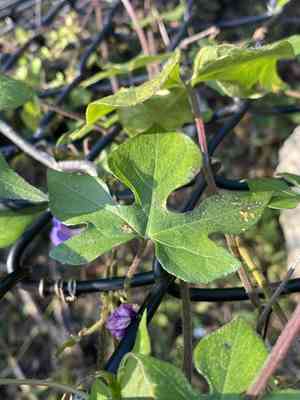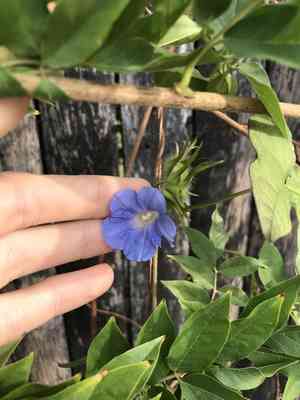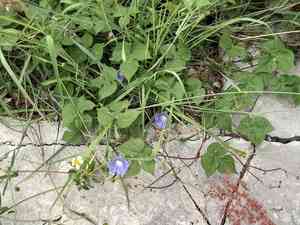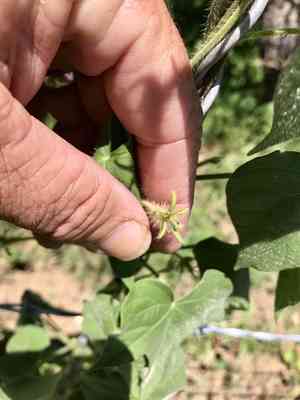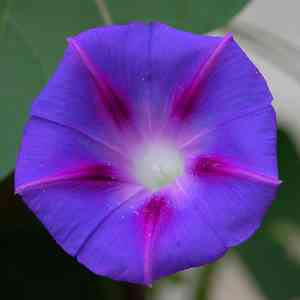
Ivyleaf morning-glory(Ipomoea hederacea)

Ivyleaf morning-glory (Ipomoea hederacea)

Also known as: Woolly morning-glory

The plant you're referring to is the **ivyleaf morning-glory**, a flowering vine native to Central America. This vine is characterized by its hairy leaves and trumpet-shaped flowers that come in shades of lavender, white, and rose. Additionally, it produces egg-shaped fruits. Thriving in tropical climates, the ivyleaf morning-glory is commonly found growing on railroads, abandoned sites, and landfills.

Attributes of Ivyleaf morning-glory

Lifespan
Annual
Plant Type
Vine, Herb
Plant Height
3 m
Spread
3 m
Leaf Color
Green
Flower Size
2.5 cm to 4.5 cm
Flower Color
Purple Blue Pink Lavender

ForwardPlant - Identify plants with a snap

Identify and diagnose plants, get toxicity alerts, and explore safety guides for all types of fungi.

Try for Free

Images of Ivyleaf morning-glory

Ivyleaf morning-glory(Ipomoea hederacea)

Quickly Identify Ivyleaf morning-glory

1
Ipomoea hederacea can be identified by its distinctive ivy-shaped leaves and small, funnel-shaped flowers that are usually blue, although they can also be purple or white. The vine can reach lengths of 2–3 meters.

Scientific Classification of Ivyleaf morning-glory

Phylum
Vascular plants
Class
Dicotyledons
Order
Solanales
Family
Morning-glory
Genus
Morning glories
Species
Ivyleaf morning-glory

Planting and Growing of Ivyleaf morning-glory

Care Difficulty
Easy
Watering Schedule
Every 4 days
Sunlight Requirements
Full sun
Sunshine Duration
6-10 hours
Ideal Temperature
65-77℉
Soil Type
Potting Mix, Peat Mix
Soil pH
6.5-7.5
Fertilizer Type
Balanced
Pruning Season
Spring, Summer
Pruning Area
Branches, Leaves
Pruning Frequency
2 times a year
Repotting Season
Spring
Pot Type
Plastic, Terracotta

water icon How to Water Ivyleaf morning-glory?

Ipomoea hederacea, or ivy-leaved morning glory, requires consistent watering to maintain healthy growth. Each watering session should involve about 250 milliliters of water. It is vital to ensure that the soil is evenly moist, but not waterlogged.
What are the symptoms of an underwatered Ivyleaf morning-glory?
What should I do if my Ivyleaf morning-glory is not getting enough water?
What are the symptoms of an overwatered Ivyleaf morning-glory?
How to save an overwatered Ivyleaf morning-glory?

sunlight icon What Are the Sunlight Requirements for Ivyleaf morning-glory?

Sunlight Requirements: Full sun, Partial sun
Duration of light: 6-8 hours daily
Ipomoea hederacea prefers full sun but can successfully grow under partial sun conditions. Ideal lighting ensures robust growth, vibrant flowers, and an overall healthy plant. The continuous, adequate light supply is crucial for its blooming cycle and foliage health.
What is the best light for Ipomoea hederacea?
How to achieve ideal lighting for Ipomoea hederacea?
What benefits from ideal lighting can Ipomoea hederacea expect?

temperature icon What Is the Ideal Temperature Range for Ivyleaf morning-glory?

Ideal Temperature: 65 ~ 77℉
The ideal temperature range for cultivating Ipomoea hederacea is between 65°F and 77°F. This range ensures optimal physiological functioning, fostering healthy growth and flowering. At this temperature, cellular activities and metabolic processes within the plant operate efficiently, promoting robust development.

soil icon What Soil is Best for Ivyleaf morning-glory?

Soil type: Loam, Sandy loam
Soil PH: 6.5 ~ 7.5
Ipomoea hederacea thrives in well-drained soil, which prevents water from pooling around its roots and reduces the risk of root rot. This ensures the plant has a healthy root system, essential for absorbing nutrients and water efficiently. The plant benefits from a nutrient-rich substrate that enhances growth and flowering. Access to ample nutrients supports robust leaf development and vibrant blooms, ensuring the plant's aesthetic appeal and health. The best growth is observed in slightly acidic to neutral pH levels, ranging from 6.5 to 7.5. This pH range allows essential nutrients to be easily accessible to the plant, promoting optimal growth and vitality.

fertilize icon How to Fertilize Ivyleaf morning-glory?

Fertilizer type: Balanced
When fertilizing Ipomoea hederacea, use a balanced liquid fertilizer diluted to half strength. Apply about 10 ml of this solution per liter of water. For slow-release fertilizers, apply approximately 5 grams per plant, ensuring that the granules are evenly distributed across the soil's surface.

prune icon How to Prune Ivyleaf morning-glory?

Pruning Time: Summer
Begin by lightly thinning out any older growth that appears woody or brittle. This will help the plant focus its energy on producing healthy new growth. Survey the plant for any leaves that appear yellowed, brown, or damaged and prune them off to encourage pest-free foliage and robust vine health. Trim the vines to maintain the shape or structure you prefer, whether cascading or climbing, to keep the plant looking tidy and well-managed.

propagate icon How to Propagate Ivyleaf morning-glory plant?

Propagate Time: Spring, Early summer
1
Before planting, soak Ipomoea hederacea seeds in warm water for 24 hours. This helps soften the seed coat, increase water absorption, and improve germination rates.
2
After soaking, place seeds in the seed starting tray filled with moist potting soil. Sow each seed about 1/4 inch deep and space them about 1-2 inches apart to allow room for growth.
3
Once seedlings have developed their first set of true leaves and are sturdy, carefully transplant them to individual pots or their final location in the garden, ensuring adequate spacing.

repot icon How to Repot Ivyleaf morning-glory plant?

Repotting frequency: Annually or when necessary
1
Ipomoea hederacea should be repotted when you notice its roots are growing out of the drainage holes or the plant becomes root-bound. Another sign is when growth noticeably slows despite regular care. Ideally, aim to repot during its active growing seasons, like spring or early summer, for the best adaptation.
2
Opt for a pot that's one size larger than the current one, with good drainage. Terra cotta is a great choice as it allows moisture to evaporate, reducing the risk of waterlogged roots. Ensure it has sufficient drainage holes, which help prevent root rot and support healthy root growth.
3
A well-draining potting mix with added perlite or sand is ideal for Ipomoea hederacea. This mix provides excellent aeration and prevents soil compaction, critical for root health. Additionally, such soil supports balanced moisture retention, which is essential for vibrant growth.

ForwardPlant - Identify plants with a snap

Find the best spots for them to optimize their health, simply using your phone.

Try for Free

Toxicity of Ivyleaf morning-glory

Is Ivyleaf morning-glory toxic to humans?

The evidence regarding the toxicity of ivyleaf morning-glory is somewhat inconclusive. However, certain reports indicate that this plant can indeed be toxic. It is particularly important to note that its seeds can be poisonous if consumed, and prolonged ingestion of ivyleaf morning-glory may lead to symptoms such as abdominal discomfort and nausea or vomiting. Children are especially at risk of experiencing toxic effects due to their tendency to ingest the seeds, as the flowers are strikingly blue and appealing. Notably, ivyleaf morning-glory has not been proven to induce airborne allergies or skin irritation from direct contact.

Is Ivyleaf morning-glory toxic to cat?

Ivyleaf morning-glory is identified as toxic to cats. If cats accidentally consume its seeds, they can experience poisoning. Following ingestion, a cat might show signs of physical distress, which can manifest in various negative reactions. It is important to vigilantly supervise cats' access to ivyleaf morning-glory, particularly during the seeding phase, to avert accidental poisoning incidents. Any concerns regarding ingestion should prompt swift action, as immediate veterinary care is crucial for the pet's health and recovery.

Is Ivyleaf morning-glory toxic to dog?

The ivyleaf morning-glory plant is regarded as toxic to dogs. Accidental consumption of this plant can result in poisoning. Typically, dogs encounter ivyleaf morning-glory by eating its seeds, which are the poisonous components of the plant. Upon ingesting these seeds, a dog may display a variety of symptoms that suggest poisoning. These symptoms can range from mild gastrointestinal distress to more severe reactions, depending on the quantity consumed. It is vital for dog owners to keep a close eye on their pets and restrict their access to ivyleaf morning-glory. If there is a suspicion that a dog has ingested any part of ivyleaf morning-glory, particularly the seeds, it is critical to obtain immediate veterinary assistance, as timely treatment can be pivotal for recovery.

Identify toxic plants for your safety

Learn which plants are harmful to you and your pets, and make informed choices for a safer home!

Try for Free
WARNING
The judgment on toxicity and danger is for reference only. We DO NOT GUARANTEE any accuracy of such judgment. Therefore, you SHALL NOT rely on such judgment. It is IMPORTANT TO SEEK PROFESSIONAL ADVICE in advance when necessary.
More About Toxic Techniques