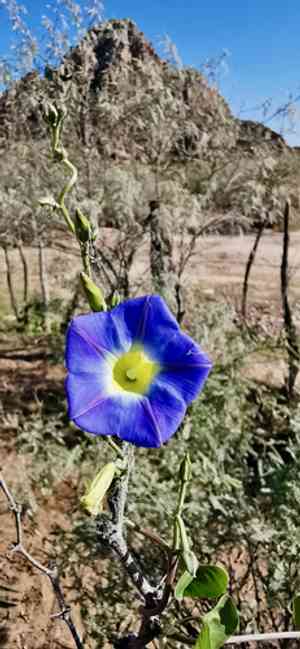
Heartleaf morning-glory (Ipomoea cardiophylla)
Also known as: Heartleaf Morning Glory
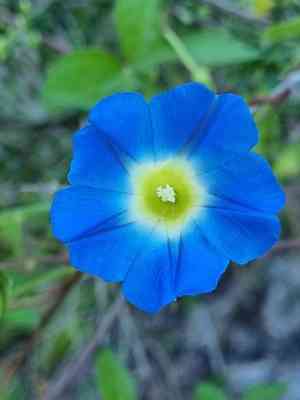
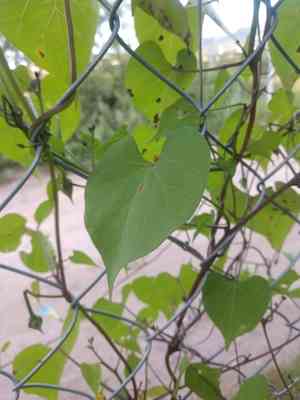
Heartleaf morning-glory, named for its distinct heart-shaped leaves, is an annual climbing vine. It thrives in various regions across the United States, particularly favoring the dry climates of Arizona, Texas, and New Mexico. The vine is easily recognizable during its blooming period by its striking blue to purple, funnel-shaped flowers with a lighter throat, which are known to attract bees and other pollinators.
In This Article
Attributes of Heartleaf morning-glory
Lifespan
Perennial
Plant Type
Vine, Herb
Plant Height
1-3 meters
Spread
N/A
Leaf Color
Green
Flower Size
3-8 cm
Flower Color
Pink, Purple, White
Images of Heartleaf morning-glory

Quickly Identify Heartleaf morning-glory
1
Ipomoea cardiophylla can be identified by its heart-shaped leaves and trumpet-like flowers. The leaves are typically simple and alternate, while the flowers are large, showy, and often have a funnel shape.
Scientific Classification of Heartleaf morning-glory
Phylum
Vascular plants
Class
Dicotyledons
Order
Solanales
Family
Morning-glory
Genus
Morning glories
Species
Heartleaf morning-glory
Planting and Growing of Heartleaf morning-glory
Care Difficulty
Moderate
Watering Schedule
Every 4 days
Sunlight Requirements
Full sun
Sunshine Duration
6-10 hours
Ideal Temperature
70-85℉
Soil Type
Potting Mix, Peat Mix
Soil pH
6.5-7.5
Fertilizer Type
Balanced
Pruning Season
Spring, Summer
Pruning Area
Branches, Leaves
Pruning Frequency
2 times a year
Repotting Season
Spring
Pot Type
Plastic, Ceramic
 How to Water Heartleaf morning-glory?
Ipomoea cardiophylla requires careful watering, where the soil should be kept consistently moist but never waterlogged. Ideally, each watering session entails providing around 500 ml of water, enough to thoroughly moisten the soil but not so much that it leaves standing water around the roots. The aim is to mimic the plant's natural environment, ensuring it has sufficient moisture to thrive.
What are the symptoms of an underwatered Heartleaf morning-glory?
›
What should I do if my Heartleaf morning-glory is not getting enough water?
›
What are the symptoms of an overwatered Heartleaf morning-glory?
›
How to save an overwatered Heartleaf morning-glory?
›
 What Are the Sunlight Requirements for Heartleaf morning-glory?
Ipomoea cardiophylla prefers full to partial sun, enhancing photosynthesis and flower production. Ideal light exposure increases disease resistance and ensures a lush, thriving appearance.
What is the perfect lighting environment?
›
How to achieve ideal lighting conditions?
›
What are the benefits of ideal light exposure?
›
 What Is the Ideal Temperature Range for Heartleaf morning-glory?
Ipomoea cardiophylla thrives best in a temperature range of 70°F to 85°F. Maintaining these temperatures ensures optimal growth and health. This range allows the plant to photosynthesize efficiently, promoting vibrant foliage and robust flowering. The stability of this temperature zone is crucial for the plant's metabolic processes and overall vitality.
 What Soil is Best for Heartleaf morning-glory?
Ipomoea cardiophylla thrives in well-draining soil to prevent root rot. Proper drainage allows excess water to escape, reducing the risk of fungal infections and promoting healthy root development. The plant prefers soil with a moderate level of nutrients. Such soil provides the essential elements needed for growth without the risk of nutrient burn that can occur in overly rich environments. While drainage is important, the soil should also retain some moisture to support the plant during dry spells. A balance ensures that the roots remain hydrated without being waterlogged.
 How to Fertilize Heartleaf morning-glory?
For Ipomoea cardiophylla, a balanced application of fertilizer provides optimal growth. Use a general-purpose liquid fertilizer diluted to half strength, approximately 5-10 ml per liter of water, for liquid feedings. For slow-release fertilizers, follow the manufacturer's guidelines—typically 1-2 teaspoons per medium-sized pot.
 How to Prune Heartleaf morning-glory?
Be mindful not to over-prune Ipomoea cardiophylla as this can stress the plant and impair its growth. Aim to remove no more than one-third of the plant's total mass at any given time to ensure it can recover effectively. Perform pruning during dry weather to minimize the risk of disease. Wet conditions can promote disease entry at cut sites. It's best to prune in the morning or evening to avoid heat stress on the freshly cut plant parts.
More About Pruning Techniques→
 How to Propagate Heartleaf morning-glory plant?
1
Use a well-draining soil mix to start the seeds or place cuttings. This promotes root development by providing adequate oxygen and prevents root rot by avoiding waterlogging.
2
Sow the seeds thinly on the surface of the prepared soil. Cover them lightly with soil, as Ipomoea cardiophylla seeds need some light to germinate effectively.
3
For cuttings, select a healthy stem and cut a 4-6 inch piece. Strip the lower leaves to prevent decay, and dip the cut end in rooting hormone before placing it in soil.
 How to Repot Heartleaf morning-glory plant?
1
Ipomoea cardiophylla signals its need for repotting when growth slows or roots protrude from the drainage holes. Spring or summer is the best time, allowing the plant to recover efficiently in its active growth phase.
2
Select a pot slightly larger than the current one, with adequate drainage holes. A pot that is too large may retain excess moisture, leading to root rot, while the right size ensures healthy root development.
3
Opt for a well-draining, sandy soil mix to prevent waterlogging. This type of soil supports root aeration and mimics the natural habitat of Ipomoea cardiophylla, promoting vigorous growth.



