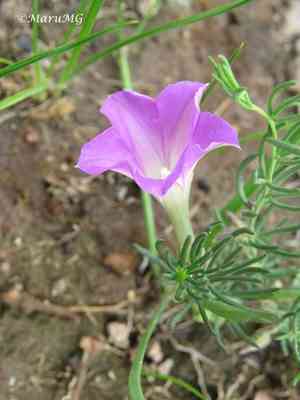
Purple morning-glory (Ipomoea capillacea)
Also known as: None
The purple morning-glory has finely divided, lace-like leaves that minimize wind resistance, allowing it to flourish in windy environments. This unique foliage structure is an evolutionary adaptation that helps the plant thrive in such habitats.
In This Article
Attributes of Purple morning-glory
Lifespan
Annual
Plant Type
Vine, Herb
Plant Height
1 to 3 meters (3.3 to 9.8 feet)
Spread
Not applicable as it is a vine
Leaf Color
Green
Flower Size
2 to 3 centimeters (0.8 to 1.2 inches)
Flower Color
Purple or pink
Images of Purple morning-glory
Quickly Identify Purple morning-glory
1
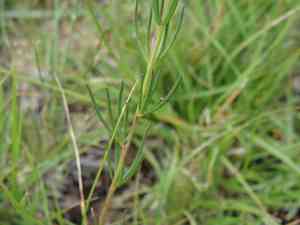
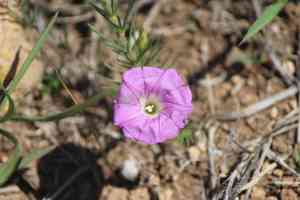
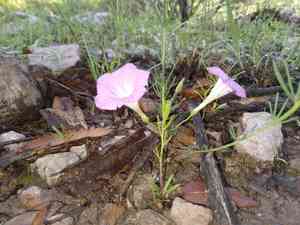
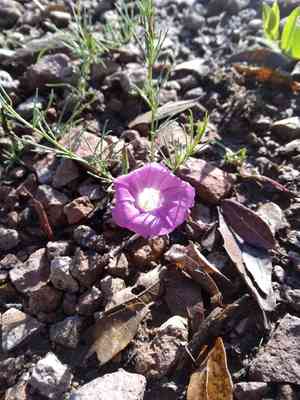
Ipomoea capillacea can be identified by its slender, hair-like stems and narrow, thread-like leaves. The flowers are funnel-shaped, typically purple or pink, and the vine tends to twine around supports.
Scientific Classification of Purple morning-glory
Phylum
Vascular plants
Class
Dicotyledons
Order
Solanales
Family
Morning-glory
Genus
Morning glories
Species
Purple morning-glory
Planting and Growing of Purple morning-glory
Care Difficulty
Easy
Watering Schedule
Every 4 days
Sunlight Requirements
Full sun
Sunshine Duration
6-10 hours
Ideal Temperature
68-77℉
Soil Type
Potting Mix, Peat Mix
Soil pH
6.5-7.5
Fertilizer Type
Balanced
Pruning Season
Spring, Summer
Pruning Area
Branches, Leaves
Pruning Frequency
2 times a year
Repotting Season
Spring
Pot Type
Plastic, Ceramic
 How to Water Purple morning-glory?
For Ipomoea capillacea, each watering session should aim to moisten the soil without making it soggy. The target is to use around 250 ml of water, ensuring the soil gets an even soak, but allowing excess to drain. This balance ensures roots are well-hydrated but not suffocated.
What are the symptoms of an underwatered Purple morning-glory?
›
What should I do if my Purple morning-glory is not getting enough water?
›
What are the symptoms of an overwatered Purple morning-glory?
›
How to save an overwatered Purple morning-glory?
›
 What Are the Sunlight Requirements for Purple morning-glory?
Ipomoea capillacea flourishes in environments offering 6 to 8 hours of sunlight. This exposure maximizes blooming potential and maintains lush, healthy foliage throughout the growing season.
What is the best sunlight type for Ipomoea capillacea?
›
How can I provide ideal conditions if full sun exposure is not available?
›
What are the benefits of optimal sunlight exposure for this plant?
›
 What Is the Ideal Temperature Range for Purple morning-glory?
Ipomoea capillacea thrives best within a temperature range of 68°F to 77°F. This range supports robust plant health and ensures steady growth rates, reducing stress on the plant.
 What Soil is Best for Purple morning-glory?
Ipomoea capillacea thrives in soil with excellent drainage. Well-drained soil prevents root rot and ensures plants receive the oxygen they need. Implementing raised beds or ensuring soil structure promotes water flow benefits overall growth. This plant flourishes in nutrient-rich soils, which provide the essential minerals for robust growth and flowering. Incorporating organic matter like compost into the soil can significantly enhance its nutrient profile, supporting vibrant blooms. The plant prefers soil that retains moderate moisture. Proper moisture levels are crucial for preventing dehydration while avoiding waterlogging. Mulching can help maintain consistent soil moisture levels, promoting stable growth.
 How to Fertilize Purple morning-glory?
Ipomoea capillacea thrives with a balanced approach to fertilization. For liquid fertilizers, ensure to use a diluted solution, ideally one that is formulated for flowering plants. Typically, a solution diluted to half-strength every two weeks should suffice. For slow-release fertilizers, a moderate application following the manufacturer's guidelines is suggested to avoid nutrient overload. Regular monitoring is key, as excessive fertilizer can harm the plant.
 How to Prune Purple morning-glory?
Start by assessing the overall shape and structure of your Ipomoea capillacea. Look for dead, damaged, or overcrowded vines that could benefit from pruning. Prune the plant by cutting just above a node to encourage healthy new growth. Focus on removing older stems and any parts that disrupt the plant's natural shape. After pruning, keep an eye on your plant for any stress signs. Water it adequately, but avoid overwatering, allowing the wounds to heal efficiently in a balanced environment.
More About Pruning Techniques→
 How to Propagate Purple morning-glory plant?
1
Soak Ipomoea capillacea seeds in water for 24 hours before planting to soften the outer seed coat. This step is crucial to enhance germination rates.
2
After preparation, sow the seeds in seed trays filled with a well-draining potting mix. Cover them lightly with soil and keep the tray in a warm location with indirect sunlight.
3
Take softwood cuttings of about 6-8 inches from a healthy plant during early morning when the plant is most hydrated. Remove lower leaves to prevent rot when planted.
 How to Repot Purple morning-glory plant?
1
Repotting should occur when you observe roots emerging from drainage holes, soil quickly drying after watering, or when your Ipomoea capillacea appears stunted. Spring and autumn are ideal as moderate temperatures and daylight help reduce repotting shock.
2
Select a pot that is about 2 inches larger in diameter than the current one. Ensure it has ample drainage holes to prevent root rot and stagnant water. The extra space encourages healthy root growth, reducing stress and promoting vigorous above-ground development.
3
Employ a well-draining potting mix rich in organic matter and perlite. This mix maintains moisture without waterlogging, supports root aeration, and encourages healthy growth by providing stable nutrients and micro-environment suited for your plant's needs.
Toxicity
ingestion
WARNING
The judgment on toxicity and danger is for reference only. We DO NOT GUARANTEE any accuracy of such judgment. Therefore, you SHALL NOT rely on such judgment. It is IMPORTANT TO SEEK PROFESSIONAL ADVICE in advance when necessary.



