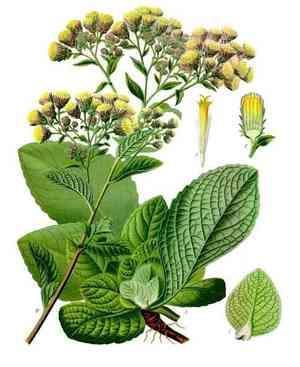
Inula (Inula) (Inula)
Also known as: Elecampane, Horse-heal
Erigeron is a genus related to daisies, distinguished by its narrow, hair-like petals that give the flowers a distinctive appearance. They are often grown as ornamental and border plants in rock or drought-tolerant gardens.
In This Article
Attributes of Inula (Inula)
Lifespan
Perennial
Plant Height
1 to 2 meters
Spread
0.5 to 1 meter
Leaf Color
Green
Flower Size
5 to 6 cm
Flower Color
Yellow
Images of Inula (Inula)
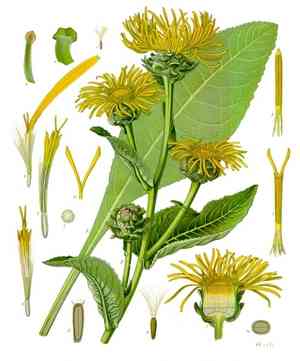
Quickly Identify Inula (Inula)
1
Inula can be recognized by its tall stature, robust perennial growth form, yellow daisy-like flowers with numerous narrow petals, and large basal leaves.
Scientific Classification of Inula (Inula)
Phylum
Magnoliophyta
Class
Magnoliopsida
Order
Asterales
Family
Asteraceae
Genus
Inula
Planting and Growing of Inula (Inula)
Care Difficulty
Moderate
Watering Schedule
Every 2 days
Sunlight Requirements
Full sun
Sunshine Duration
4-8 hours
Ideal Temperature
60-75℉
Soil Type
Potting Mix, Peat Mix
Soil pH
6.5-7.5
Fertilizer Type
Balanced
Pruning Season
Spring, Summer
Pruning Area
Branches, Leaves
Pruning Frequency
2 times a year
Repotting Season
Spring
Pot Type
Plastic, Ceramic
 How to Water Inula (Inula)?
When watering the Inula plant, it's essential to provide around 250 ml each time. The goal is to ensure the soil is sufficiently moist without becoming waterlogged. The top inch of soil should feel damp but not soggy, as excess water can lead to root problems.
What are the symptoms of an underwatered Inula (Inula)?
›
What should I do if my Inula (Inula) is not getting enough water?
›
What are the symptoms of an overwatered Inula (Inula)?
›
How to save an overwatered Inula (Inula)?
›
 What Are the Sunlight Requirements for Inula (Inula)?
Ideal light range for Inula is full to partial sun. This promotes healthy growth and dazzling yellow blooms, ensuring plant vitality.
What is the best lighting condition for Inula plants?
›
How can one ensure optimal light exposure for Inula?
›
What benefits does Inula get from ideal lighting conditions?
›
 What Is the Ideal Temperature Range for Inula (Inula)?
Inula thrives best in a temperature range of 60°F to 75°F. This range allows the plant to photosynthesize efficiently and grow without stress. Maintaining consistent temperatures within this range can help ensure vigorous growth and prevent common temperature-related issues. Taking into account the natural habitat of Inula, which typically experiences mild weather, staying within this temperature band is crucial for optimal health.
 What Soil is Best for Inula (Inula)?
Inula thrives in well-drained soils that allow excess water to escape easily. This prevents root rot and promotes healthy root development, which is vital for the plant's overall growth and flower production. Inula benefits from soils rich in organic matter, as they provide essential nutrients and improve soil structure. This helps the plant establish quickly and maintain robust growth throughout the growing season. Ensuring moderate moisture levels in the soil is crucial for Inula. It requires a balance where the soil is moist but not waterlogged, supporting vigorous growth and lush, vibrant blooms.
 How to Fertilize Inula (Inula)?
When fertilizing Inula, apply a balanced 10-10-10 liquid fertilizer, using about 1 tablespoon per gallon of water. Ensure the soil is moist before application to prevent root burn and enhance nutrient absorption.
 How to Prune Inula (Inula)?
Start by removing any dead or diseased stems. Use sharp, clean shears to make cuts at a 45-degree angle just above a healthy bud. This encourages new growth and helps flowers to flourish. Deadhead fading flowers regularly throughout the growing season to stimulate the plant to produce more blooms. Snip off the spent flowers close to where they meet the stem, taking care not to disturb new buds. As autumn progresses, gradually cut back stems to ground level after the first frost. Removing old growth before winter prevents disease and prepares the plant for a robust return in spring.
 How to Propagate Inula (Inula) plant?
1
Start by filling seed trays with a fine-textured potting mix. Sow Inula seeds evenly across the surface and lightly cover them with soil. Ensure the soil remains moist but not soggy to encourage germination.
2
Select healthy young stems for cuttings, cutting just below a node. Remove the lower leaves to expose the stem for rooting, and dip the cut end into rooting hormone to encourage root development.
3
In early spring, dig up mature Inula plants and gently separate the root clumps using hands or shears. Each clump should contain several stems and a healthy root section, ready for replanting.
 How to Repot Inula (Inula) plant?
1
Inula plants signal the need for repotting when you observe roots growing through the drainage holes, or when the plant's growth seems stunted. These signs are typical indicators that the plant has outgrown its current pot and requires more room for root expansion to thrive.
2
Select a pot that is only slightly larger than the current one, with adequate drainage holes to prevent waterlogging. A moderately sized ceramic or terracotta pot is ideal, as it provides stability and breathability, promoting healthier root growth and preventing rot.
3
Choose a well-draining potting soil, enriched with organic matter to enhance water retention and nutrient availability. This type of soil provides the necessary balance for nutrient uptake and reduces the risk of waterlogging, ensuring robust growth for your Inula.
Learn More About Inula (Inula) Diseases
Anthracnose
Bacterial Leaf Spot
Bacterial Soft Rot
Bacterial Wilt
Chemical Injury
Crown Gall
Cyst Nematode
Damping-off
Downy Mildew
Drought Stress
Fusarium Wilt
Gray Mold
Leaf Spot
Mosaic
Nutrient Deficiency
Nutrient Toxicity
Powdery Mildew
Root Rot
Root-knot Nematode
Rusts
Sooty Mold
Spider Mites
Temperature Stress
Thrips Damage
White Mold

