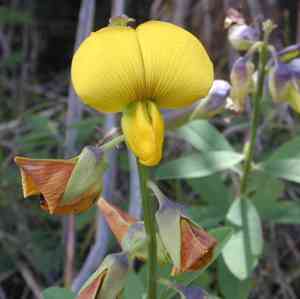
Creeping indigo (Indigofera spicata)
Also known as: Trailing Indigo, Creeping Indigo
Creeping indigo (Indigofera spicata) is a low-growing shrub that forms horizontal mats. It is widely used in the coffee, tea, and rubber industries to prevent soil erosion. This plant belongs to the same family that ancient Greeks and Romans utilized for producing the indigo dye.
In This Article
Attributes of Creeping indigo
Lifespan
Annual, Perennial
Plant Type
Herb
Plant Height
30 cm to 46 cm
Spread
45 cm to 90 cm
Leaf Color
Green
Flower Size
3 mm to 4 mm
Flower Color
Pink
Images of Creeping indigo
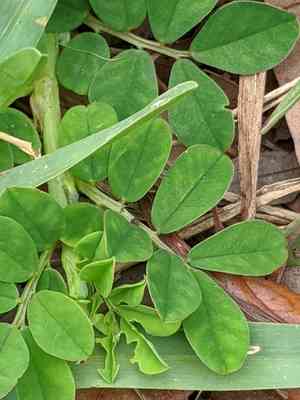
Quickly Identify Creeping indigo
1
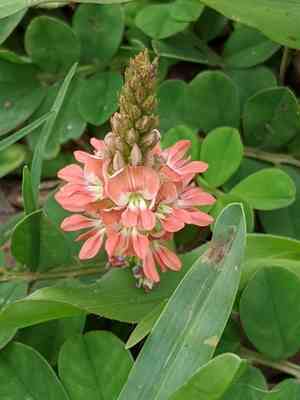
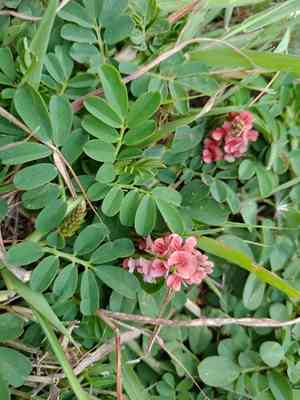
Identifying Indigofera spicata involves looking for characteristic compound leaves with small leaflets, usually arranged alternately. The plant has spikes or racemes of pink or purplish flowers. The stems are often hairy and can root at the nodes.
Scientific Classification of Creeping indigo
Phylum
Vascular plants
Class
Dicotyledons
Order
Fabales
Family
Legume
Genus
Indigofera
Species
Creeping indigo
Planting and Growing of Creeping indigo
Care Difficulty
Easy
Watering Schedule
Every 4 days
Sunlight Requirements
Partial sun
Sunshine Duration
6-8 hours
Ideal Temperature
70-85℉
Soil Type
Potting Mix, Peat Mix
Soil pH
6-7.5
Fertilizer Type
Balanced
Pruning Season
Spring, Summer
Pruning Area
Branches, Leaves
Pruning Frequency
2 times a year
Repotting Season
Spring
Pot Type
Plastic, Ceramic
 How to Water Creeping indigo?
Indigofera spicata requires a consistent moist environment, but not waterlogged. Ensure the top 1 inch of soil is dry before rewatering, providing around 500 ml of water each session. This maintains healthy growth without promoting root rot.
What are the symptoms of an underwatered Creeping indigo?
›
What should I do if my Creeping indigo is not getting enough water?
›
What are the symptoms of an overwatered Creeping indigo?
›
How to save an overwatered Creeping indigo?
›
 What Are the Sunlight Requirements for Creeping indigo?
Partial to full sun exposure ensures Indigofera spicata's health, aiding in robust growth and resilience against pests, as adequate photosynthesis strengthens plant defense.
More About Sunlight Requirements Techniques→
Optimal Sunlight Exposure
›
Solutions to Achieve Ideal Lighting
›
Benefits of Ideal Sunlight
›
 What Is the Ideal Temperature Range for Creeping indigo?
Indigofera spicata thrives best in temperatures ranging from 70°F to 85°F. Within this temperature range, the plant can achieve optimal growth, enabling efficient photosynthesis and robust development. Maintaining this environment reduces stress on the plant and promotes healthy foliage and flowering.
 What Soil is Best for Creeping indigo?
Indigofera spicata thrives in well-drained soil as it prevents root rot and allows for proper aeration. This promotes healthy root growth, vital for nutrient absorption and overall plant health. A soil rich in organic matter provides the essential nutrients needed for vigorous growth. This translates to a lush foliage and an abundance of flowers, enhancing the plant's ornamental value. The soil should maintain a balanced moisture level, not too dry or waterlogged. This ensures hydration for sustained growth while preventing waterlogging that can harm the plant's roots.
 How to Fertilize Creeping indigo?
Indigofera spicata, commonly known as trailing indigo, requires moderate fertilization for optimal growth. When using liquid fertilizer, apply a solution with a nitrogen-phosphorus-potassium (N-P-K) ratio of 10-10-10 at a strength of half the recommended dose on the packaging. When using slow-release granular fertilizer, follow the same N-P-K ratio, applying around 60 grams per square meter. Ensure to adjust the amount based on the plant's visible response and environmental conditions.
 How to Prune Creeping indigo?
Begin by removing any dead or damaged branches at the base using clean, sharp pruners. Target the overgrown or weak stems next. Trim back up to one-third of the plant's height to encourage healthier, denser growth. Shape by clipping away any disorderly stems to maintain an aesthetically pleasing form. It is advisable to prune just above a node, which is where new buds are likely to develop, ensuring a neat growth pattern.
More About Pruning Techniques→
 How to Propagate Creeping indigo plant?
1
Start by preparing a well-draining soil mix, rich in organic matter. This promotes root development by providing essential nutrients and good aeration. Ensure the soil is slightly moist before planting.
2
For seed propagation, plant seeds in the prepared tray and cover lightly with soil. For cuttings, dip the cut end in rooting hormone and plant it in the mix. Keep them adequately spaced for optimal growth.
3
Maintain consistent humidity by lightly watering the seeds or cuttings. Ensure water does not pool to avoid rot. It's important to keep the soil moist but not soggy during the initial growth phase.
 How to Repot Creeping indigo plant?
1
Repot your Indigofera spicata when you notice that roots are growing through the drainage holes, or it's been a couple of years since the last repot. Signs include stunted growth or water sitting on the soil surface for too long.
2
Opt for a pot that's only slightly larger than the current one, with ample drainage holes. This prevents water from stagnating at the roots, which can lead to root rot. A pot an inch or two wider in diameter is a good choice.
3
Use a light and sandy soil mix that promotes drainage and aeration. Such a mix mimics their natural habitat and ensures excess water doesn't suffocate the roots, leading to healthy plant growth.
Toxicity
Ingestion
WARNING
The judgment on toxicity and danger is for reference only. We DO NOT GUARANTEE any accuracy of such judgment. Therefore, you SHALL NOT rely on such judgment. It is IMPORTANT TO SEEK PROFESSIONAL ADVICE in advance when necessary.



