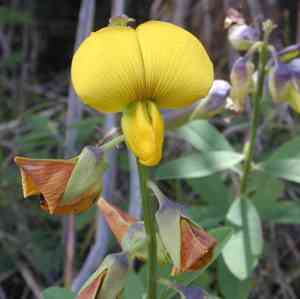
Trailing indigo (Indigofera hendecaphylla)
Also known as: Wild Indigo, Estrada Indigo, Creeping Indigo
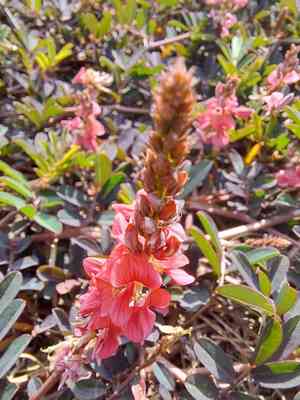
Trailing indigo (Indigofera spicata) is a perennial leguminous plant characterized by its sprawling growth and ability to form dense groundcover. It features compound leaves with small, oval leaflets and produces clusters of small, pink or purple flowers. Native to tropical and subtropical climates, it thrives in warm, humid environments and adapts well to various soil types, including poor soils. Its resilience and rapid spread make it valuable for purposes such as cover cropping and soil improvement, though it can potentially become invasive in suitable conditions.
In This Article
Attributes of Trailing indigo
Lifespan
Annual, Perennial
Plant Type
Herb
Plant Height
0.1 to 0.4 meters
Spread
1 to 2 meters
Leaf Color
Green
Flower Size
0.5 to 1 cm
Flower Color
Pink, Purplish-pink
Images of Trailing indigo
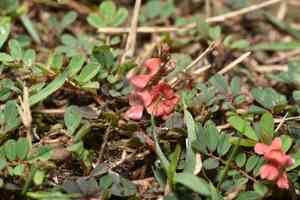
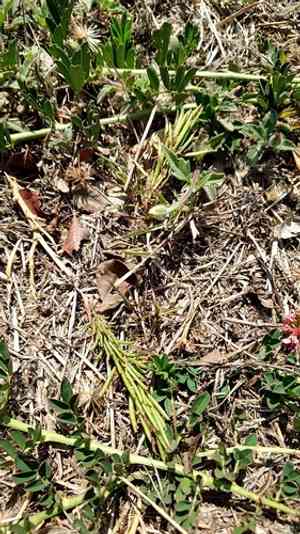
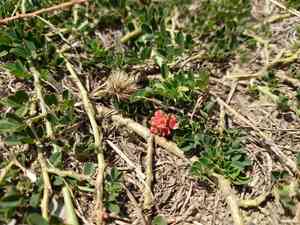
Quickly Identify Trailing indigo
1
To identify Indigofera hendecaphylla, look for a low-growing, mat-forming herb with compound leaves that have 7-11 leaflets. The pink or purplish-pink flowers are clustered and pea-like, and the fruit is a small, cylindrical pod.
Scientific Classification of Trailing indigo
Phylum
Vascular plants
Class
Dicotyledons
Order
Fabales
Family
Legume
Genus
Indigofera
Species
Trailing indigo
Planting and Growing of Trailing indigo
Care Difficulty
Moderate
Watering Schedule
Every 4 days
Sunlight Requirements
Full sun
Sunshine Duration
4-8 hours
Ideal Temperature
77-86℉
Soil Type
Potting Mix, Peat Mix
Soil pH
6.5-7.5
Fertilizer Type
Balanced
Pruning Season
Spring, Summer
Pruning Area
Branches, Leaves
Pruning Frequency
2 times a year
Repotting Season
Spring
Pot Type
Ceramic, Plastic
 How to Water Trailing indigo?
Indigofera hendecaphylla prefers consistent moisture levels without sogginess. Water should be sufficient to lightly saturate the root zone, ideally 500ml per act of watering, ensuring it penetrates deeply while avoiding standing water.
What are the symptoms of an underwatered Trailing indigo?
›
What should I do if my Trailing indigo is not getting enough water?
›
What are the symptoms of an overwatered Trailing indigo?
›
How to save an overwatered Trailing indigo?
›
 What Are the Sunlight Requirements for Trailing indigo?
Partial to full sun is ideal for Indigofera hendecaphylla, particularly 4-6 hours of direct sunlight daily. Such conditions ensure that the plant achieves vigorous growth with plenty of healthy, vibrant flowers.
What is the best location for planting Indigofera hendecaphylla?
›
How can you adjust the light conditions for optimal growth?
›
What are the benefits of achieving ideal lighting conditions?
›
 What Is the Ideal Temperature Range for Trailing indigo?
The ideal temperature range for Indigofera hendecaphylla is between 77°F and 86°F. This temperature range supports optimal growth and flowering of the plant. Consistent temperatures within this range ensure that the plant can photosynthesize efficiently, uptake nutrients effectively, and maintain physiological processes vital for its health. Deviations from this range may stress the plant, leading to reduced vitality and growth rate.
 What Soil is Best for Trailing indigo?
Indigofera hendecaphylla thrives best in soils that provide excellent drainage, preventing root rot in saturated conditions. Well-draining soil allows roots to access oxygen more easily, promoting healthier plant growth and typical lush foliar displays. This species benefits from nutrient-rich soils, which can be achieved through organic matter incorporation. Nutrient-dense soil supports robust root development and enhances flower bloom, contributing to the plant's aesthetic appeal and ecological contributions. The plant requires a balance of moisture in the soil. A moderate moisture level assists in nutrient uptake without overexposing the roots to water, preventing stress conditions while ensuring sustainable growth throughout the seasons.
 How to Fertilize Trailing indigo?
Indigofera hendecaphylla generally requires balanced fertilization to thrive. Use a balanced liquid fertilizer diluted to half-strength, approximately 10 ml per liter of water, every two weeks during growing seasons, and a slow-release fertilizer applied sparingly as per the product instructions.
 How to Prune Trailing indigo?
Indigofera hendecaphylla benefits from pruning during Spring, Summer, and Autumn. Pruning during these seasons encourages a robust flowering display. In early Spring, trim back any winter-damaged branches. During Summer and Autumn, shape the plant by selectively thinning out overcrowded branches to maintain its structure and stimulate blooming. Timing is key for effective pruning. Conduct pruning in the morning or late afternoon to avoid heat stress on the plant. Remove no more than one-third of the plant’s foliage in a single pruning session to minimize shock. Use a gentle hand and focus on thinning rather than a complete overhaul, allowing for natural regrowth.
 How to Propagate Trailing indigo plant?
1
Select a well-draining potting mix to provide adequate air and moisture balance for the seedlings. The soil should be slightly moist but not waterlogged. Consider adding perlite or sand to increase drainage if necessary.
2
Cuttings should be taken from a healthy plant in late spring or early summer. Make a clean cut just below a node, and ensure each cutting is about 10-15 cm long. Remove the lower leaves to reduce moisture loss and dip the cut end in rooting hormone.
3
Insert the treated cuttings into the prepared soil at an angle to increase contact with the soil. Water lightly to settle the soil around the cuttings and place them in indirect sunlight. Maintain the humidity by covering with a plastic dome or bag.
 How to Repot Trailing indigo plant?
1
Indigofera hendecaphylla needs repotting when you observe roots emerging from the drainage holes or when the growth seems stunted. Spring or autumn are ideal seasons as the plant is not undergoing intense growth or dormancy, making it less stressful to move.
2
Select a pot that is 2 inches larger in diameter than the current one. Ensure it has good drainage to prevent waterlogging. This size increment allows enough space for growth while avoiding excess soil that can lead to root rot.
3
Opt for well-draining sandy loam to maintain optimum moisture balance. This soil type facilitates good root aeration and drainage, preventing root rot while retaining sufficient moisture for robust growth.
Toxicity
Ingestion
WARNING
The judgment on toxicity and danger is for reference only. We DO NOT GUARANTEE any accuracy of such judgment. Therefore, you SHALL NOT rely on such judgment. It is IMPORTANT TO SEEK PROFESSIONAL ADVICE in advance when necessary.
Learn More About Trailing indigo Diseases
Anthracnose
Bacterial Leaf Spot
Bacterial Wilt
Crown Gall
Cyst Nematode
Damping-off
Downy Mildew
Drought Stress
Fusarium Wilt
Gray Mold
Leaf Curl
Leaf Spot
Mosaic
Nutrient Deficiency
Nutrient Toxicity
Powdery Mildew
Root Rot
Root-knot Nematode
Rusts
Sooty Mold
Spider Mites
Temperature Stress
Thrips Damage
White Mold



