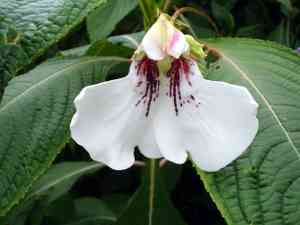
Jewelweed (Impatiens) (Impatiens)
Also known as: Snapweed
Jewelweed (Impatiens capensis) is a flowering plant commonly found in the Northern Hemisphere and tropical regions. It varies in size, growing anywhere from 5 centimeters to 2.5 meters tall. The leaves are oval, toothed (dentate), and sometimes have a wavy edge. The plant's stems can root upon contact with the soil. The flowers are uniquely shaped, often orange or yellow with red spots, and are zygomorphic (bilaterally symmetrical). They feature a prominent spur that produces nectar, and the flowers are protandric, meaning they first function as male and later as female.
In This Article
Attributes of Jewelweed (Impatiens)
Lifespan
Annual
Plant Height
15-60 cm (6-24 inches)
Spread
15-30 cm (6-12 inches)
Leaf Color
Green, sometimes variegated
Flower Size
2-5 cm (0.8-2 inches)
Flower Color
White Red Purple Pink
Images of Jewelweed (Impatiens)
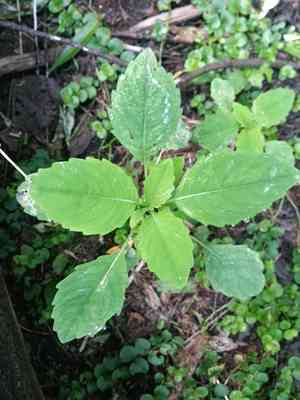
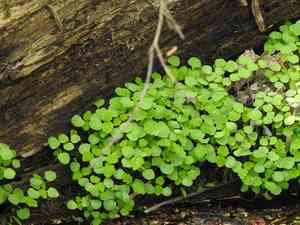
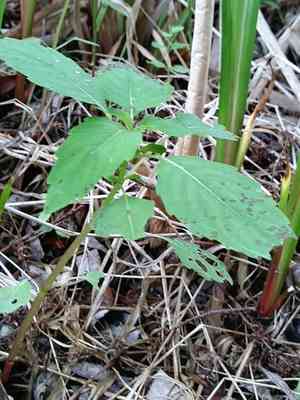
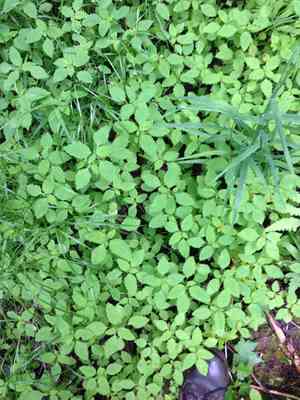
Quickly Identify Jewelweed (Impatiens)
1
Impatiens are easily identified by their vibrant, colorful flowers and succulent stems. The leaves are usually ovate with finely serrated edges, and the flowers have five petals, often with a spur at the back.
Scientific Classification of Jewelweed (Impatiens)
Phylum
Tracheophyta
Class
Magnoliopsida
Order
Ericales
Family
Balsaminaceae
Genus
Impatiens
Planting and Growing of Jewelweed (Impatiens)
Care Difficulty
Easy
Watering Schedule
Every 4 days
Sunlight Requirements
Partial sun
Sunshine Duration
4-8 hours
Ideal Temperature
60-75℉
Soil Type
Potting Mix, Peat Mix
Soil pH
6-7
Fertilizer Type
Balanced
Pruning Season
Spring, Summer
Pruning Area
Branches, Leaves
Pruning Frequency
2 times a year
Repotting Season
Spring
Pot Type
Plastic, Ceramic
 How to Water Jewelweed (Impatiens)?
When watering Impatiens, ensure the soil remains consistently moist but not waterlogged. You should aim for about 200 milliliters of water per session, allowing the water to seep through and moisten the entire root system. It's essential to let the top layer of the soil dry slightly between waterings to prevent root rot.
What are the symptoms of an underwatered Jewelweed (Impatiens)?
›
What should I do if my Jewelweed (Impatiens) is not getting enough water?
›
What are the symptoms of an overwatered Jewelweed (Impatiens)?
›
How to save an overwatered Jewelweed (Impatiens)?
›
 What Are the Sunlight Requirements for Jewelweed (Impatiens)?
Impatiens do best in partial sun to full shade. Proper light conditions ensure they produce plentiful blossoms and maintain lush, vibrant foliage that adds color to shaded gardens.
How much sunlight does Impatiens need?
›
What are the solutions for obtaining ideal lighting?
›
How does ideal light benefit Impatiens?
›
 What Is the Ideal Temperature Range for Jewelweed (Impatiens)?
The ideal temperature range of 60°F to 75°F is crucial for Impatiens because it ensures optimal growth and blooming. At these temperatures, the plant's metabolic processes function efficiently, supporting vibrant foliage and flowers. Temperatures within this range also minimize stress, reducing susceptibility to disease and pests.
 What Soil is Best for Jewelweed (Impatiens)?
Impatiens plants thrive in soil that retains moisture without becoming waterlogged. This helps the plant remain hydrated, promoting lush foliage and vibrant blooms. A nutrient-rich soil supports the vigorous growth Impatiens is known for. Organic matter and compost are excellent sources to ensure the soil is rich in essential minerals. Well-draining soil prevents root rot, a common issue for Impatiens if soils remain too wet. This ensures roots get enough oxygen, allowing healthy growth and resistance to diseases.
 How to Fertilize Jewelweed (Impatiens)?
For Impatiens, it's essential to use a balanced fertilizer, such as 10-10-10 or 20-20-20. When using liquid fertilizers, dilute them to half the recommended strength to prevent nutrient overload, especially during the growing season.
 How to Prune Jewelweed (Impatiens)?
Begin by removing any spent flowers and leggy growth. Pinch the deadheads off with your fingers or use scissors to snip them close to the base of the flower stem. Look for overgrown or scraggly branches. Trim these back to a node or where you observe fresh leaves emerging, which encourages more compact growth. Shape your Impatiens by trimming back branches that disrupt the overall appearance. Aim for a balanced look to enhance not only its structure but also light penetration.
 How to Propagate Jewelweed (Impatiens) plant?
1
Choose healthy and disease-free stem sections from mature plants. The cutting should be about 3-4 inches long and have at least two nodes for successful rooting.
2
Seeds should be sown on the surface of well-draining soil. Ensure they are lightly covered and kept in a warm and humid environment to encourage germination.
3
Place the cuttings in a propagator or cover them with a plastic bag to maintain high humidity. Ensure they receive indirect sunlight to encourage root development without drying out.
 How to Repot Jewelweed (Impatiens) plant?
1
Impatiens plants often need repotting when their roots start growing out of drainage holes or when their growth seems stunted despite adequate care. It's ideal to do this during the growing seasons of spring or summer when the plant can recover swiftly.
2
Select a pot that is one size larger than the current one, equipped with drainage holes. This ensures roots have room to grow and prevents water retention, reducing the risk of root rot, which is essential for healthy Impatiens plants.
3
A well-draining potting mix rich in organic matter is best. This type of soil retains sufficient moisture while allowing excess water to escape, thus preventing waterlogging and providing the necessary nutrients for vibrant growth and flowering.
Learn More About Jewelweed (Impatiens) Diseases
Anthracnose
Bacterial Leaf Spot
Bacterial Soft Rot
Bacterial Wilt
Chemical Injury
Crown Gall
Damping-off
Downy Mildew
Drought Stress
Fusarium Wilt
Gray Mold
Leaf Spot
Mosaic
Nutrient Deficiency
Nutrient Toxicity
Powdery Mildew
Root Rot
Root-knot Nematode
Sooty Mold
Spider Mites
Temperature Stress
Thrips Damage
White Mold

