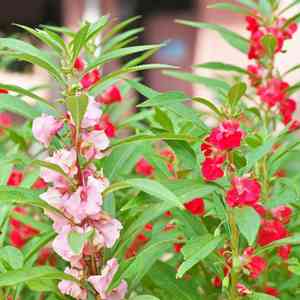
Garden balsam (Impatiens balsamina)
Also known as: Balsam, Touch-me-not
Garden balsam has been cherished in European gardens since the Victorian times, although its relative with flatter flowers has recently gained more popularity. This plant not only attracts pollinators but also appeals to nectar-feeding birds. The genus name "Impatiens" is derived from the Latin word for "impatient," highlighting the plant's unique characteristic of forcefully ejecting its seeds when touched.
In This Article
Attributes of Garden balsam
Lifespan
Annual
Plant Type
Herb
Plant Height
60 cm to 1 m
Spread
30 cm to 40 cm
Leaf Color
Green
Flower Size
3 cm to 4 cm
Flower Color
White Pink Purple Red
Images of Garden balsam
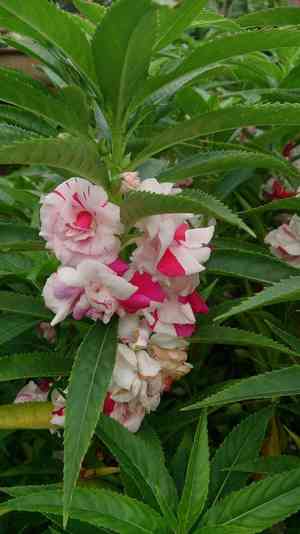
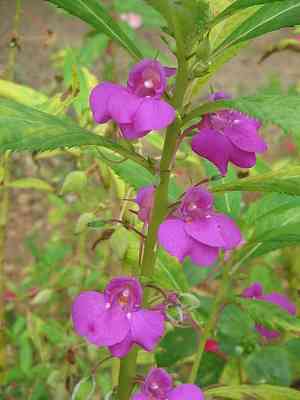
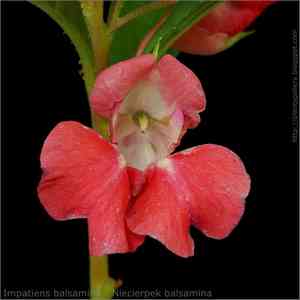
Quickly Identify Garden balsam
1
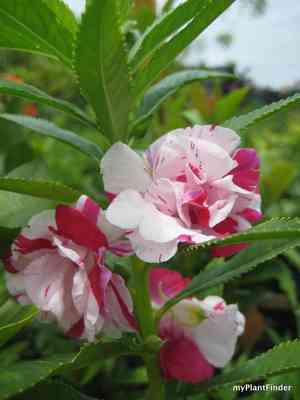
Showy cup-shaped flowers in white, pink, red, and bi-colors.
2
Fuzzy green-brown capsules with explosive seed dispersal.
3
Elliptical light green leaves with serrated edges and prominent veining.
4
Thick succulent stem, soft and crushable, branching near tips.
5
Hermaphroditic flowers with incurved spurs in red, pink, and purple hues.
Scientific Classification of Garden balsam
Phylum
Vascular plants
Class
Dicotyledons
Order
Heathers and allies
Family
Balsam
Genus
Jewelweed
Species
Garden balsam
Planting and Growing of Garden balsam
Care Difficulty
Easy
Watering Schedule
Every 4 days
Sunlight Requirements
Partial sun
Sunshine Duration
6-10 hours
Ideal Temperature
70-75℉
Soil Type
Potting Mix, Peat Mix
Soil pH
6.5-7.5
Fertilizer Type
Balanced
Pruning Season
Spring, Summer
Pruning Area
Branches, Leaves
Pruning Frequency
2 times a year
Repotting Season
Spring
Pot Type
Plastic, Terracotta
 How to Water Garden balsam?
The soil for Impatiens balsamina should be kept consistently moist but not waterlogged. Aim to water until the top layer of the soil feels evenly saturated, avoiding standing water.
More About Watering Techniques→
What are the symptoms of an underwatered Garden balsam?
›
What should I do if my Garden balsam is not getting enough water?
›
What are the symptoms of an overwatered Garden balsam?
›
How to save an overwatered Garden balsam?
›
 What Are the Sunlight Requirements for Garden balsam?
Partial sun suits Impatiens balsamina, offering 4 to 6 hours of light. This balance maximizes flowering and ensures healthy development without undue stress.
More About Sunlight Requirements Techniques→
Question about Ideal Light for Growth
›
Solution to Achieve Optimal Lighting
›
Benefits of Receiving Ideal Light
›
 What Is the Ideal Temperature Range for Garden balsam?
Impatiens balsamina thrives best in warm environments ideally set between 70°F and 75°F. At this range, the plant can efficiently photosynthesize, promoting healthy growth and vibrant blooms. This temperature supports optimal moisture levels in the soil, reducing the risk of root rot while encouraging robust root development.
 What Soil is Best for Garden balsam?
Impatiens balsamina thrives in soil that drains well, preventing waterlogging that can lead to root rot. Good drainage ensures roots have access to the oxygen they need, promoting robust growth and vibrant blooms. This plant prefers soil that remains consistently moist but not waterlogged. Moisture retention helps maintain plant health during dry spells, ensuring the impatiens stays lush and lively throughout the season. Being a hungry plant, it benefits from soil rich in organic matter or nutrients, which fuels its growth. A well-amended soil offers ample nutrients, promoting continuous blooming and healthy foliage.
More About Soil→
 How to Fertilize Garden balsam?
For Impatiens balsamina, a balanced fertilizer with an N-P-K ratio like 10-10-10 works well. Apply approximately 5 ml of liquid fertilizer mixed in 1 liter of water or as per the package instructions. Be mindful of over-fertilizing as it can harm the plant.
More About Fertilizing Techniques→
 How to Prune Garden balsam?
Carefully examine your Impatiens balsamina and locate stems that extend beyond the desired shape. Trim these back to maintain an appealing, compact structure. Regularly remove any dead or diseased leaves and stems to prevent disease spread. This ensures the energy is directed towards healthy growth and blooms.
More About Pruning Techniques→
 How to Propagate Garden balsam plant?
1
Use a well-draining potting mix to fill your seed trays or pots. A mixture of peat and perlite is excellent for starting seeds or cuttings; it retains moisture without becoming waterlogged, promoting root growth.
2
Distribute the seeds evenly on top of the soil in your seed tray. Cover them lightly with a thin layer of soil or vermiculite and mist with water to ensure they remain moist but not saturated.
3
Select a healthy parent plant and take 4-6 inch cuttings below a node. Remove the lower leaves to expose the stem, allowing for better absorption of nutrients and water.
 How to Repot Garden balsam plant?
1
Look for signals such as roots coming out of the drainage holes, slowed growth, or overly compacted soil in late Spring or early Summer. These are key indicators that it's time for repotting the Impatiens balsamina.
2
Opt for a pot that is about 1-2 inches in diameter larger than the current one. Ensure the pot has good drainage holes to prevent waterlogging, which can cause root rot. A slightly larger pot encourages healthier growth and prevents overcrowding of roots.
3
Use a well-draining potting mix. This type of soil ensures that excess water doesn't stay around the roots, preventing rotting and allowing the roots to breathe. A mix with added perlite or sand enhances drainage capabilities.
Learn More About Garden balsam Diseases
Anthracnose
Bacterial Leaf Spot
Bacterial Soft Rot
Bacterial Wilt
Chemical Injury
Damping-off
Downy Mildew
Drought Stress
Fusarium Wilt
Gray Mold
Leaf Curl
Leaf Spot
Mosaic
Nutrient Deficiency
Nutrient Toxicity
Powdery Mildew
Root Rot
Root-knot Nematode
Sooty Mold
Spider Mites
Temperature Stress
Thrips Damage
White Mold



