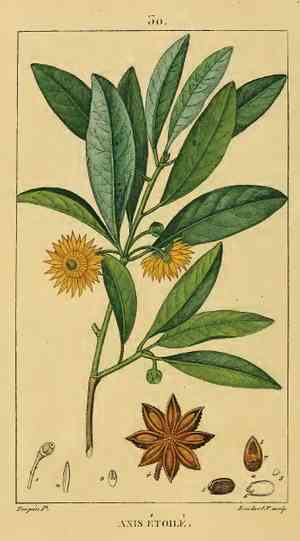
Star anise (Illicium verum)
Also known as: Chinese star anise, Badiam
Star anise, harvested from the evergreen tree in autumn, is a key ingredient in the popular Vietnamese and Chinese five-spice powder. While it enhances the flavor of teas, curries, and various dishes, it should be consumed in moderation due to potential toxicity in large amounts.
In This Article
Attributes of Star anise
Lifespan
Perennial
Plant Type
Tree
Plant Height
5 m
Spread
3 m
Leaf Color
Green
Flower Size
2.5 cm
Flower Color
Yellow Pink White Green Purple Red
Images of Star anise
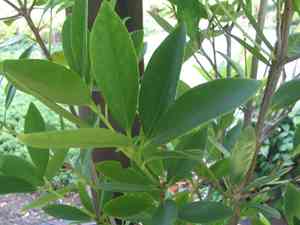
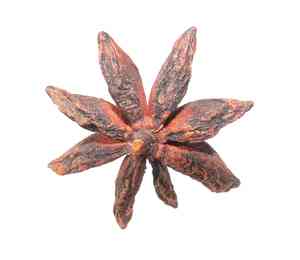
Quickly Identify Star anise
1
Star anise can be identified by its star-shaped fruit composed of five to ten pointed boat-shaped sections, each containing a single seed. The fruit is green when fresh and turns reddish-brown when dried.
Scientific Classification of Star anise
Phylum
Vascular plants
Class
Dicotyledons
Order
Austrobaileyales
Family
Schisandra
Genus
Star anise
Species
Star anise
Planting and Growing of Star anise
Care Difficulty
Easy
Watering Schedule
Every 3 days
Sunlight Requirements
Partial sun
Sunshine Duration
4-8 hours
Ideal Temperature
65-75℉
Soil Type
Potting Mix, Peat Mix
Soil pH
6.5-7.5
Fertilizer Type
Balanced
Pruning Season
Spring, Summer
Pruning Area
Branches, Leaves
Pruning Frequency
2 times a year
Repotting Season
Spring
Pot Type
Plastic, Ceramic
 How to Water Star anise?
Illicium verum appreciates a moderate watering routine. Water until the soil is evenly moist but not soggy. Ensure excess water drains out, preventing root rot, which the plant is sensitive to.
What are the symptoms of an underwatered Star anise?
›
What should I do if my Star anise is not getting enough water?
›
What are the symptoms of an overwatered Star anise?
›
How to save an overwatered Star anise?
›
 What Are the Sunlight Requirements for Star anise?
Partial to full sun ensures Illicium verum flourishes with balanced energy input, supporting lush growth and robust flowering. Consistent light conditions optimize plant health.
More About Sunlight Requirements Techniques→
What is the best light condition for Illicium verum?
›
How can I ensure Illicium verum receives ideal light?
›
What are the benefits of ideal lighting for Illicium verum?
›
 What Is the Ideal Temperature Range for Star anise?
The ideal temperature range for Illicium verum (Star Anise) is between 65°F and 75°F. This temperature range ensures optimal growth and productivity, providing the plant with the necessary warmth without causing heat stress. Maintaining this range will help in the development of healthy leaves and aromatic fruits.
 What Soil is Best for Star anise?
Illicium verum thrives in well-drained soil as it prevents root rot and allows for optimal nutrient absorption. This condition ensures healthy root systems that are essential for robust plant growth. The presence of organic matter in the soil supports Illicium verum by providing essential nutrients and improving soil texture. This benefits the plant by enhancing its overall vitality and growth rate. Soils with moderate moisture retention help maintain essential hydration without waterlogging the roots. This quality keeps Illicium verum hydrated, promoting steady growth without the risk of fungal diseases.
 How to Fertilize Star anise?
When fertilizing Illicium verum, ensure that the fertilizer dosage is moderate. Generally, apply about one tablespoon of balanced, water-soluble fertilizer per gallon of water for liquid fertilizers. For solid or granular types, use around 1/4 cup per plant annually, incorporating it gently into the topsoil.
 How to Prune Star anise?
Begin by removing any dead, diseased, or damaged branches to allow the plant to focus its energy on healthy growth. Trim branches selectively to maintain a pleasing shape. Prune just above a leaf node to ensure new growth in the desired direction. Reduce overcrowding inside the canopy to improve air circulation and light penetration, which aids in reducing fungal growth. Conduct small, routine trims throughout the growing season to manage size and encourage a dense form.
More About Pruning Techniques→
 How to Propagate Star anise plant?
1
Collect seeds from mature Illicium verum fruits during the late autumn or early winter months. Ensure the fruits are fully ripe and dry them thoroughly to avoid mold. Store the seeds in a cool, dry place until you are ready to plant them during the growing season.
2
Prepare a seed-starting or light potting mix with a good balance of moisture retention and drainage. A mixture of peat moss and perlite works well. This will provide an ideal medium for the seeds to germinate and will support cutting establishment by encouraging root growth.
3
For seeds, distribute them evenly over the surface of the soil mix in the seed trays and cover lightly with additional soil mix. For cuttings, make a clean cut of about 4-6 inches from the parent plant, remove the lower leaves, and insert them into a prepared potting mix, ensuring good contact with the soil.
 How to Repot Star anise plant?
1
Illicium verum needs repotting when roots outgrow the current pot, evident by roots emerging from the drainage holes or poor water retention. Signs like stunted growth or yellowing leaves also indicate repotting time, usually necessary every 2-3 years.
2
Select a pot slightly larger than the previous one, with good drainage holes. The ideal pot allows room for root growth while preventing excessive soil moisture, thereby enhancing plant health and minimizing root rot risk.
3
Opt for a well-draining, slightly acidic soil mix, rich in organic matter. Such soil ensures proper drainage, prevents waterlogging, and mimics the plant's natural habitat, promoting optimal growth and health of Illicium verum.
Toxicity
Ingestion
WARNING
The judgment on toxicity and danger is for reference only. We DO NOT GUARANTEE any accuracy of such judgment. Therefore, you SHALL NOT rely on such judgment. It is IMPORTANT TO SEEK PROFESSIONAL ADVICE in advance when necessary.



