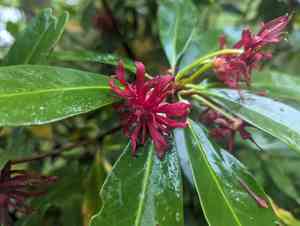
Purple Anise(Illicium floridanum)

Purple Anise (Illicium floridanum)

Also known as: Stink-Bush, Florida Anisetree

The Illicium floridanum, also known as the Purple Anise, is an evergreen shrub native to the southeastern United States. Despite its anise-like fragrance, it is not related to the culinary anise. This fast-growing, low-maintenance plant is frequently utilized in landscaping but is hazardous to livestock.

Attributes of Purple Anise

Lifespan
Perennial
Plant Type
Tree, Shrub
Plant Height
1.8 m to 3 m
Spread
1.8 m to 3 m
Leaf Color
Green
Flower Size
2.5 cm to 8 cm
Flower Color
Red Purple

PlantJoy - Identify plants with a snap

Identify and diagnose plants, get toxicity alerts, and explore safety guides for all types of fungi.

Try for Free

Images of Purple Anise

Purple Anise(Illicium floridanum)

Quickly Identify Purple Anise

1
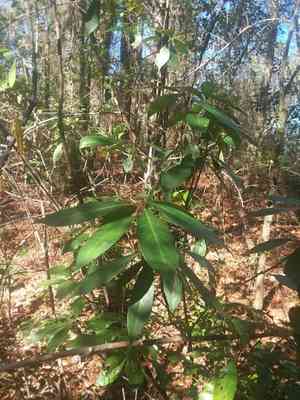
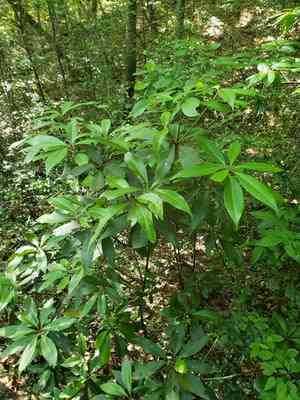
Elliptic, pseudo-whorled leaves with an anise scent when bruised.
2
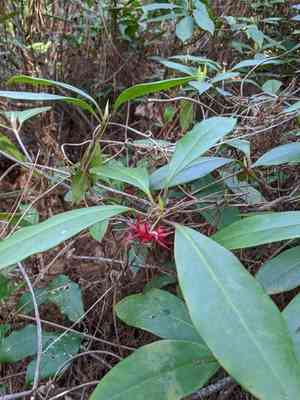
Showy maroon-purple flowers with strap-shaped petals and unpleasant odor.
3
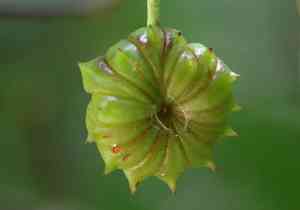
Star-shaped fruit whorls transitioning from green to brown, containing shiny brown seeds.
4
Stout, shiny stems with gray-brown coloration, featuring small lenticels for texture.
5
Thick, glossy dark green leaves with reddish-purple petioles emitting a distinctive scent.

Scientific Classification of Purple Anise

Phylum
Vascular plants
Class
Dicotyledons
Order
Austrobaileyales
Family
Schisandra
Genus
Star anise
Species
Purple Anise

Planting and Growing of Purple Anise

Care Difficulty
Moderate
Watering Schedule
Every 3 days
Sunlight Requirements
Partial sun
Sunshine Duration
6-8 hours
Ideal Temperature
70-80℉
Soil Type
Potting Mix, Peat Mix
Soil pH
5.5-7
Fertilizer Type
Balanced
Pruning Season
Spring, Summer
Pruning Area
Branches, Leaves
Pruning Frequency
2 times a year
Repotting Season
Spring
Pot Type
Plastic, Ceramic

water icon How to Water Purple Anise?

Illicium floridanum prefers well-drained soil that remains consistently moist but not waterlogged. A practical approach is to pour approximately 500 milliliters of water until you see it beginning to seep out of the drainage holes. This ensures the roots receive adequate hydration without rotting, preventing fungal diseases.
What are the symptoms of an underwatered Purple Anise?
What should I do if my Purple Anise is not getting enough water?
What are the symptoms of an overwatered Purple Anise?
How to save an overwatered Purple Anise?

sunlight icon What Are the Sunlight Requirements for Purple Anise?

Sunlight Requirements: Partial sun, Full shade
Duration of light: 3 to 6 hours
Partial sun to full shade is ideal for Illicium floridanum, fostering vibrant growth and rich foliage. Ideal light enhances photosynthesis while preventing stress-related damage, ensuring a robust and healthy plant.
Ensuring Optimal Environment
Structural Measures
Benefits of Proper Lighting
More About Sunlight Requirements Techniques

temperature icon What Is the Ideal Temperature Range for Purple Anise?

Ideal Temperature: 70 ~ 80℉
For optimal growth, Illicium floridanum prefers temperatures between 70°F to 80°F. This range ensures that the plant maintains its best health and vigor, offering suitable conditions for photosynthesis and nutrient uptake.

soil icon What Soil is Best for Purple Anise?

Soil type: Sandy loam, Loam, Acidic soil
Soil PH: 5.5 ~ 7
Illicium floridanum thrives in soil that retains moisture well. This helps maintain a consistent moisture level, crucial for its lush foliage and fragrant blooms, especially during dry spells. This plant benefits from nutrient-rich soil, which supports vigorous growth and enhances resistance to pests and diseases, leading to healthier and more vibrant foliage. Proper aeration is essential for Illicium floridanum to prevent root rot. Well-aerated soil allows roots to breathe and absorb nutrients efficiently, promoting robust root development.

fertilize icon How to Fertilize Purple Anise?

Fertilizer type: Balanced
For Illicium floridanum, applying liquid fertilizer should be done at half the recommended strength. Too much can harm this sensitive plant, affecting its ability to thrive in its shaded or semi-shaded environment. A conservative approach minimizes risks while supporting healthy growth.

prune icon How to Prune Purple Anise?

Pruning Time: Spring, Summer
Begin your pruning session by removing any dead or diseased branches. Cut back to healthy wood, making sure your cuts are neat and angled to allow water runoff, which helps prevent rot. Next, trim back overgrown or unwanted branches to shape the plant. Aim to maintain its natural form while encouraging air circulation and light penetration throughout the shrub. More About Pruning Techniques

propagate icon How to Propagate Purple Anise plant?

Propagate Time: Spring, Early summer, Early spring
1
Collect seeds from an existing Illicium floridanum plant after they have matured. For cuttings, use a sterilized sharp pruner to take 4-6 inch cuttings from healthy growth.
2
Prepare a well-draining potting mix suitable for cuttings or seeds by combining peat moss, perlite, and vermiculite. Moisten the medium before planting.
3
Plant seeds about a half-inch deep or insert cuttings one-third their length into the medium. Water lightly to settle the medium around the seeds or cuttings.
More About Propagating Techniques

repot icon How to Repot Purple Anise plant?

Repotting frequency: Every 2-3 years
1
Illicium floridanum needs repotting when its growth visibly slows down or roots start circling the pot's edges. Ideally, this takes place during the spring when the plant emerges from dormancy and the longer daylight encourages new growth. This timing ensures the plant can establish itself quickly in its new pot.
2
Select a pot 2 inches larger than the current one, with plenty of drainage holes. This prevents waterlogging, which Illicium floridanum is sensitive to. A pot made of breathable material, like terracotta, helps regulate soil moisture and temperature, mimicking its natural habitat.
3
Choose an acidic, well-draining potting mix to emulate the natural forest floor. This mix should retain moisture while allowing excess water to escape, crucial for avoiding root rot. Including materials like pine bark or peat mimics the soil Illicium floridanum thrives in the wild.

PlantJoy - Identify plants with a snap

Find the best spots for them to optimize their health, simply using your phone.

Try for Free

Toxicity of Purple Anise

Is Purple Anise toxic to humans?

The purple Anise is a toxic plant that poses a serious risk to human health, potentially leading to severe illness or even fatality upon consumption. It has been reported that the toxic components of the plant are primarily found in its leaves, fruits, and seeds. When ingested, the purple Anise initially induces mild to severe gastrointestinal distress. The most frequently observed symptoms of poisoning include nausea, vomiting, diarrhea, abdominal pain, and convulsions. Consuming the plant in large quantities without appropriate medical intervention can result in death. This species is sometimes mistakenly used as a substitute for the popular spice Star anise (Illicium verum), but such practice is inadvisable due to the associated risk of toxicity.

Is Purple Anise toxic to cat?

Purple Anise possesses a moderate degree of toxicity for cats. If a cat inadvertently consumes any portion of the purple Anise plant, it can result in poisoning, as the entire plant is toxic. Upon poisoning, a cat may show signs of physical discomfort or distress. Therefore, it is crucial for cat owners to carefully restrict their pets from accessing purple Anise and to promptly seek veterinary assistance if their cat shows any negative health symptoms following possible contact with or consumption of the plant.

Is Purple Anise toxic to dog?

Purple Anise presents a moderate risk of toxicity to dogs. Canines might unintentionally ingest various parts of this plant, which can lead to possible poisoning. All parts of the plant are toxic, and consumption can trigger a range of symptoms that require prompt veterinary care. Dog owners must remain alert and ensure their pets do not have access to purple Anise. If a dog is thought to have eaten any part of the plant, it is vital to obtain treatment at a veterinary clinic immediately.

Identify toxic plants for your safety

Learn which plants are harmful to you and your pets, and make informed choices for a safer home!

Try for Free
WARNING
The judgment on toxicity and danger is for reference only. We DO NOT GUARANTEE any accuracy of such judgment. Therefore, you SHALL NOT rely on such judgment. It is IMPORTANT TO SEEK PROFESSIONAL ADVICE in advance when necessary.
More About Toxic Techniques