Illecebrum (Illecebrum) (Illecebrum)
Also known as: None
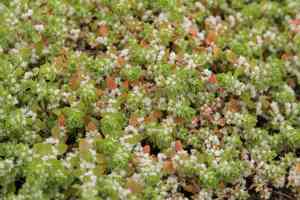
Illecebrum is characterized by its trailing stems that can reach up to 20 cm in length. The plant features ovate leaves set in opposite pairs along the stem. Tiny flowers cluster in the leaf axils, with petals that are considerably smaller than the white sepals. This genus, which includes the single species Illecebrum verticillatum, is a low-growing annual native to Europe.
In This Article
Attributes of Illecebrum (Illecebrum)
Lifespan
Annual
Plant Height
5-15 cm
Spread
Spreads up to 20 cm
Leaf Color
Green
Flower Size
0.2 cm
Flower Color
White or greenish
Images of Illecebrum (Illecebrum)
Quickly Identify Illecebrum (Illecebrum)
1
To identify Illecebrum, look for its low-growing habit and its unique tiny white or greenish flowers. The plant often has small, opposite leaves and can form dense mats.
Scientific Classification of Illecebrum (Illecebrum)
Phylum
Magnoliophyta
Class
Magnoliopsida
Order
Caryophyllales
Family
Caryophyllaceae
Genus
Illecebrum
Planting and Growing of Illecebrum (Illecebrum)
Care Difficulty
Moderate
Watering Schedule
Every 4 days
Sunlight Requirements
Partial sun
Sunshine Duration
4-8 hours
Ideal Temperature
60-70℉
Soil Type
Potting Mix, Peat Mix
Soil pH
6.5-7.5
Fertilizer Type
Balanced
Pruning Season
Spring, Summer
Pruning Area
Branches, Leaves
Pruning Frequency
2 times a year
Repotting Season
Spring
Pot Type
Plastic, Ceramic
 How to Water Illecebrum (Illecebrum)?
Illecebrum prefers consistent moisture levels; water until the top 1-2 inches of soil are moist but not waterlogged. The soil should feel slightly damp to the touch, akin to a wrung-out sponge.
What are the symptoms of an underwatered Illecebrum (Illecebrum)?
›
What should I do if my Illecebrum (Illecebrum) is not getting enough water?
›
What are the symptoms of an overwatered Illecebrum (Illecebrum)?
›
How to save an overwatered Illecebrum (Illecebrum)?
›
 What Are the Sunlight Requirements for Illecebrum (Illecebrum)?
Illecebrum thrives in partial sunlight, which means receiving about 4 to 6 hours of light daily. Proper lighting ensures vigorous growth, vibrant foliage color, and robust plant health.
Best Time for Sun Exposure
›
Ideal Location for Placement
›
Using Artificial Lights
›
 What Is the Ideal Temperature Range for Illecebrum (Illecebrum)?
The ideal temperature range for growing Illecebrum is between 60°F and 70°F. In this range, the plant can efficiently perform its metabolic activities, ensuring healthy growth. The moderate temperatures mimic its natural habitat, reducing stress and promoting robust foliage and blossom development.
 What Soil is Best for Illecebrum (Illecebrum)?
Illecebrum thrives best in nutrient-rich soil that ensures strong growth and vibrant foliage. Enriched soil promotes healthy root development and resilience. This plant appreciates soil with excellent drainage to prevent waterlogging, which can lead to root rot. A well-drained soil structure optimizes aeration for the roots. Illecebrum benefits from soil that retains moderate moisture, striking a balance between too dry and overly wet. This helps maintain consistent hydration levels.
 How to Fertilize Illecebrum (Illecebrum)?
For Illecebrum, it's essential to provide the right amount of nutrients without overwhelming its delicate system. A moderate use of liquid fertilizer at a concentration of 10-20-10 will suffice. Dilute it to half strength before application.
 How to Prune Illecebrum (Illecebrum)?
Start by inspecting the plant for dead, damaged, or diseased parts. This initial assessment helps you determine the areas that need the most attention during pruning. Carefully trim away any overgrown stems that are disrupting the natural shape of the plant. Focus on cutting just above a leaf node to encourage new growth and a bushier appearance. Prune to maintain a compact and attractive shape. Remove any branches that cross or interfere with each other, ensuring the plant appears balanced and symmetrical.
 How to Propagate Illecebrum (Illecebrum) plant?
1
Use a well-draining soil mix to prepare the seed tray or pots. Mix the soil with perlite or sand to improve aeration and drainage.
2
Seeds should be evenly scattered across the surface of the soil. Cover them lightly with a thin layer of soil and mist the surface to keep the soil moist.
3
Choose healthy stems and use a sterilized knife to take cuttings of about 10 cm. Dip the cut end in rooting hormone before planting them in prepared pots.
 How to Repot Illecebrum (Illecebrum) plant?
1
Illecebrum shows signs of needing a new pot when its roots start escaping through the drainage holes, or if it experiences stunted growth and poor soil drainage. Spring is ideal as plant activity resumes.
2
Select a pot that's one size larger than the current one with sufficient drainage holes. Ensuring good drainage prevents waterlogging and root rot, allowing Illecebrum to thrive.
3
A well-draining sandy mix is perfect for Illecebrum. This type of soil prevents water retention, mimics its natural habitat, and supports healthy root development.

