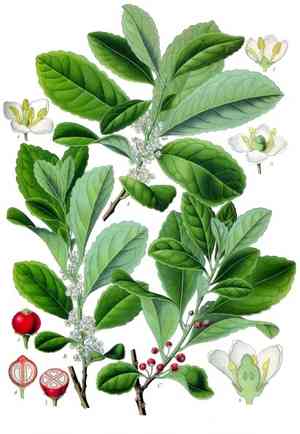
Ilex (Ilex) (Ilex)
Also known as: Holly
Holly, scientifically known as Ilex, includes both evergreen and deciduous trees. Known for its association with Christmas, certain holly varieties have bright red berries that ripen in winter, making them popular for holiday decorations. The striking contrast between the vibrant red berries and the dark, glossy, pointed leaves gives a festive look. Birds and other wildlife are drawn to the berries for nourishment during the colder months, though the berries are toxic to humans.
In This Article
Attributes of Ilex (Ilex)
Lifespan
Perennial
Plant Height
25 m
Spread
15 m
Leaf Color
Dark green
Flower Size
Small, generally less than 0.5 cm
Flower Color
White to greenish-white
Images of Ilex (Ilex)
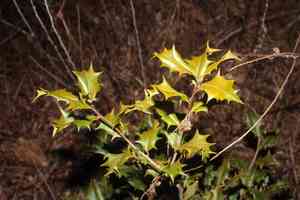

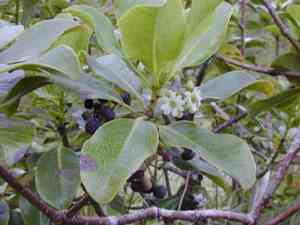
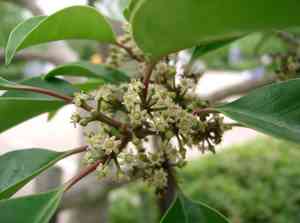
Quickly Identify Ilex (Ilex)
1
Ilex can be identified by its distinctive glossy, often spiny, green leaves and bright red or black berries. The leaves are typically alternate and simple, with a margin that may be smooth, wavy, or spiny.
Scientific Classification of Ilex (Ilex)
Phylum
Magnoliophyta
Class
Magnoliopsida
Order
Aquifoliales
Family
Aquifoliaceae
Genus
Ilex
Planting and Growing of Ilex (Ilex)
Care Difficulty
Moderate
Watering Schedule
Every 2 days
Sunlight Requirements
Partial sun
Sunshine Duration
4-8 hours
Ideal Temperature
60-75℉
Soil Type
Potting Mix, Peat Mix
Soil pH
5.5-6.5
Fertilizer Type
Balanced
Pruning Season
Spring, Summer
Pruning Area
Branches, Leaves
Pruning Frequency
2 times a year
Repotting Season
Spring
Pot Type
Terracotta, Plastic
 How to Water Ilex (Ilex)?
For the Ilex plant, it is essential to water deeply rather than frequently. This means providing about 500 ml of water during each watering session. Ensure the water penetrates deeply into the soil to reach the root ball, promoting robust root growth. Avoid leaving standing water, but the soil should feel moist to the touch down to a few inches.
What are the symptoms of an underwatered Ilex (Ilex)?
›
What should I do if my Ilex (Ilex) is not getting enough water?
›
What are the symptoms of an overwatered Ilex (Ilex)?
›
How to save an overwatered Ilex (Ilex)?
›
 What Are the Sunlight Requirements for Ilex (Ilex)?
Ilex thrives when exposed to partial sun, roughly 4 to 6 hours daily. Proper light conditions lead to vibrant foliage and improved resistance to pests.
What is the best type of lighting for Ilex?
›
How can you ensure ideal lighting for Ilex plants?
›
What benefits do Ilex plants gain from ideal lighting conditions?
›
 What Is the Ideal Temperature Range for Ilex (Ilex)?
For optimal growth, Ilex species thrive best in a temperature range between 60 and 75 degrees Fahrenheit. This range supports their physiological processes such as photosynthesis, nutrient uptake, and overall growth vigor. Maintaining consistent temperatures within this range helps prevent stress and enhances the plant’s resilience to pests and diseases.
 What Soil is Best for Ilex (Ilex)?
Ilex thrives in well-drained soil as it prevents root rot. Proper drainage ensures that roots receive adequate oxygen, which is essential for healthy growth. Soil rich in organic matter provides necessary nutrients for Ilex. Organic material enhances soil structure and fertility, promoting vigorous plant development. Ilex prefers soil that retains some moisture without being waterlogged. Consistent moisture levels support steady growth and prevent stress on the plant.
 How to Fertilize Ilex (Ilex)?
When fertilizing Ilex, use approximately 1 to 2 tablespoons of liquid fertilizer per gallon of water for mature plants. For young shrubs, reduce this to 0.5 to 1 tablespoon per gallon. This ensures a balanced input without causing root burn or excessive foliage growth that can weaken the plant.
 How to Prune Ilex (Ilex)?
To maintain a desired shape, regularly check for overly long shoots or ones detracting from the plant's appearance. Trim back to an intersection point or bud to avoid leaving stubs, which can become entry points for pests and diseases. For overgrown Ilex, more drastic rejuvenation pruning may be necessary. This involves removing up to a third of the oldest and thickest branches at ground level to encourage the growth of new shoots. Perform rejuvenation gradually over several years for best results.
 How to Propagate Ilex (Ilex) plant?
1
Collect berries from the Ilex plant when they are mature. Extract the seeds from the berries and clean them thoroughly to remove any pulp, which can harbor disease.
2
Select healthy, semi-hardwood branches from the Ilex plant and cut sections about 4-6 inches long. Remove the lower leaves to expose the nodes and dip in rooting hormone.
3
Choose compatible rootstock and scion wood from mature Ilex plants. Make precise cuts to ensure a good fit, and secure grafts with grafting tape to facilitate attachment.
 How to Repot Ilex (Ilex) plant?
1
Repot your Ilex when you notice roots making their way through the drainage holes or circling the root ball. Early signs are stunted growth or the soil drying out quicker than before. These are indicators that the plant is outgrowing its current pot.
2
Select a pot one size larger than the current one, with adequate drainage holes to prevent water-logging. Using a slightly larger pot ensures the roots have room to grow without encouraging water retention, which could lead to root rot.
3
Use a well-draining, acidic soil mix, ideally one that contains peat moss, perlite, and a bit of sand. This composition mimics Ilex's natural habitat and supports healthy root growth by allowing air and water to move freely.
Toxicity
Ingestion of berries or leaves
WARNING
The judgment on toxicity and danger is for reference only. We DO NOT GUARANTEE any accuracy of such judgment. Therefore, you SHALL NOT rely on such judgment. It is IMPORTANT TO SEEK PROFESSIONAL ADVICE in advance when necessary.
Learn More About Ilex (Ilex) Diseases
Anthracnose
Bacterial Leaf Spot
Black Spot
Chemical Injury
Crown Gall
Damping-off
Drought Stress
Fusarium Wilt
Gray Mold
Leaf Curl
Leaf Spot
Mosaic
Nutrient Deficiency
Nutrient Toxicity
Powdery Mildew
Root Rot
Root-knot Nematode
Rusts
Sooty Mold
Spider Mites
Temperature Stress
Thrips Damage
White Mold

