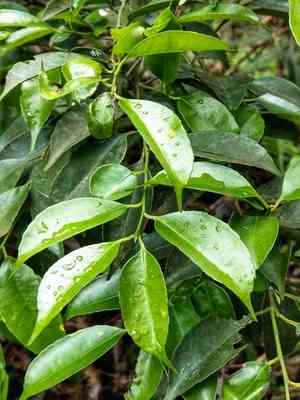
Burford (Ilex ficoidea)
The plant you're referring to seems to be a resilient shrub characterized by its small, deep green, leathery ovate leaves. It features tiny, subtle flowers that give way to vivid, decorative berries. This plant prospers in well-drained soils and is typically located in the understories or edges of forests, where it thrives in partial sunlight.
In This Article
Attributes of Burford
Lifespan
Perennial
Plant Type
Tree, Shrub
Plant Height
12 m
Spread
2-4 meters
Leaf Color
Green
Flower Size
0.5-1 cm
Flower Color
Yellow
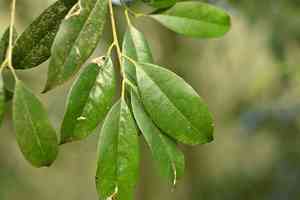
Images of Burford
Quickly Identify Burford
1
To identify Ilex ficoidea, look for its glossy, leathery leaves with toothed margins. The plant produces small, white flowers in spring, followed by bright red or orange berries in the fall. The berries and the leaves’ distinctive shape are key identifying features.
Scientific Classification of Burford
Phylum
Vascular plants
Class
Dicotyledons
Order
Hollies and allies
Family
Holly
Genus
Ilex
Species
Burford
Planting and Growing of Burford
Care Difficulty
Easy
Watering Schedule
Every 2 days
Sunlight Requirements
Partial sun
Sunshine Duration
4-8 hours
Ideal Temperature
60-75℉
Soil Type
Potting Mix, Peat Mix
Soil pH
6.5-7.5
Fertilizer Type
Balanced
Pruning Season
Spring, Summer
Pruning Area
Branches, Leaves
Pruning Frequency
2 times a year
Repotting Season
Spring
Pot Type
Plastic, Ceramic
 How to Water Burford?
The Ilex ficoidea requires approximately 300ml of water each time. The key is to ensure the soil is moist but not waterlogged. The soil should be allowed to dry out slightly between waterings to mimic its natural habitat and prevent root rot.
What are the symptoms of an underwatered Burford?
›
What should I do if my Burford is not getting enough water?
›
What are the symptoms of an overwatered Burford?
›
How to save an overwatered Burford?
›
 What Are the Sunlight Requirements for Burford?
Ilex ficoidea prefers partial sunlight, ensuring it receives 4 to 6 hours of light daily. Catering to this light range keeps its foliage healthy, promotes growth, and fortifies its resistance against environmental stressors.
Optimal Sunlight Duration
›
Solutions for Ideal Lighting
›
Benefits of Ideal Lighting
›
 What Is the Ideal Temperature Range for Burford?
The ideal temperature range for Ilex ficoidea's growth is between 60°F and 75°F. At these temperatures, the plant can efficiently carry out photosynthesis and other metabolic processes without stress. Ensuring this temperature range promotes healthy foliage and robust growth.
 What Soil is Best for Burford?
Ilex ficoidea thrives in well-draining soil, preventing root rot and ensuring healthy plant growth. This requirement is crucial to avoid waterlogging which can lead to fungal diseases and ensure the roots receive adequate oxygen. The soil should retain just enough moisture to keep the plant hydrated without being soggy. A balance of drainage and retention promotes robust root development and sustains the plant during dry spells. Soils rich in organic matter provide essential nutrients, aiding in the vigorous growth of Ilex ficoidea. Organic matter improves soil texture and fertility, fostering a thriving environment for the plant.
 How to Fertilize Burford?
Ilex ficoidea should receive a balanced fertilizer that delivers 20 grams per plant for liquid applications. Consistently assess the nutritional needs of the plant, especially during the growing season, to ensure optimal growth and health.
 How to Prune Burford?
Start by identifying and removing any dead, broken, or diseased branches. This helps the plant focus its energy on producing new and healthy growth. Ensure cuts are made at a slight angle and just above a node or lateral branch. To ensure adequate sunlight penetration and air circulation, thin out overcrowded branches. Focus on crossing branches and those that grow towards the center of the plant. This will improve the plant’s health and vitality. Gently shape the plant to maintain a pleasing form by cutting back to an outward-facing bud. This encourages growth in the desired direction and keeps the plant looking neat and attractive.
More About Pruning Techniques→
 How to Propagate Burford plant?
1
Fill seed trays with a seed-starting mix and lightly moisten the medium. Sow Ilex ficoidea seeds on the surface and gently cover them with a thin layer of soil. Maintain consistent moisture and place the trays in a warm, sunny location to encourage germination.
2
Select healthy, non-flowering stems and cut them at a 45-degree angle to increase rooting surface. Remove the lower leaves and dip the base in a rooting hormone. Place the cuttings in a moist medium under indirect sunlight to promote rooting.
3
For tissue culture, begin with sterilizing small explants from the parent plant. Use an appropriate growth medium and maintain sterile conditions in a culture vessel. Monitor regularly for pathogen-free development and transfer to an acclimatization chamber when growth begins.
 How to Repot Burford plant?
1
Recognize signs such as root-bound conditions, where roots are visibly circling the pot edges or emerging from drain holes. Additionally, stunted growth or a need for more frequent watering indicate it's time to repot Ilex ficoidea.
2
Choose a pot slightly larger than the current one to allow space for growth. Ensure the pot has drainage holes to prevent waterlogging, which can lead to root rot. A clay or ceramic pot helps regulate moisture levels.
3
Opt for a well-draining potting mix rich in organic matter. This prevents water retention, ensuring roots receive adequate air while nutrients support healthy growth. Avoid overly dense or heavy garden soils.
Learn More About Burford Diseases
Anthracnose
Bacterial Leaf Spot
Black Spot
Chemical Injury
Crown Gall
Cyst Nematode
Damping-off
Downy Mildew
Drought Stress
Fusarium Wilt
Gray Mold
Leaf Curl
Leaf Spot
Mosaic
Nutrient Deficiency
Nutrient Toxicity
Powdery Mildew
Root Rot
Root-knot Nematode
Rusts
Sooty Mold
Spider Mites
Temperature Stress
Thrips Damage
White Mold



