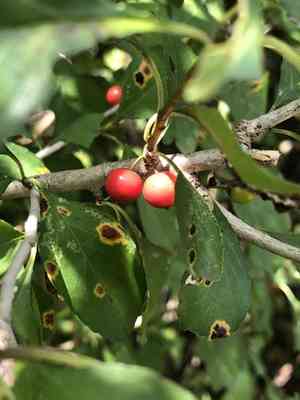
Possumhaw (Ilex decidua)
Also known as: Deciduous yaupon, Swamp holly
Possumhaw (Ilex decidua) is a deciduous holly that can range from a shrub to a small tree, typically reaching heights of 7-15 feet. It features simple, oblong leaves with serrated edges. The plant produces small, white to greenish flowers in the spring. In the fall, bright red or orange berries appear, which can persist into winter. Notably, only female plants bear these berries, and they need a male plant nearby for pollination.
Attributes of Possumhaw
Images of Possumhaw
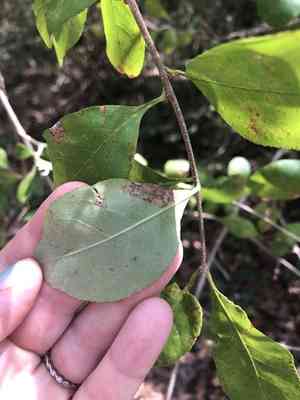
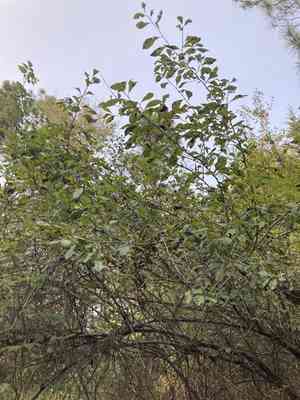
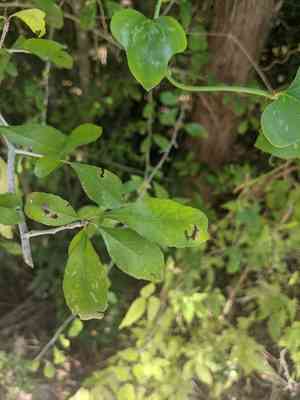
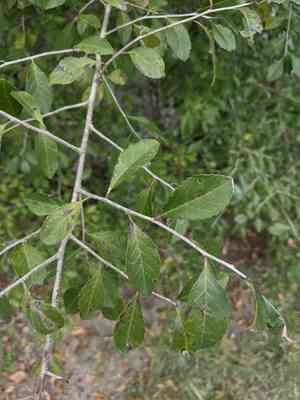
Quickly Identify Possumhaw
Scientific Classification of Possumhaw
Planting and Growing of Possumhaw
 How to Water Possumhaw?
 What Are the Sunlight Requirements for Possumhaw?
 What Is the Ideal Temperature Range for Possumhaw?
 What Soil is Best for Possumhaw?
 How to Fertilize Possumhaw?
 How to Prune Possumhaw?
 How to Propagate Possumhaw plant?
 How to Repot Possumhaw plant?
Toxicity of Possumhaw
Is Possumhaw toxic to cat?
Possumhaw is recognized for its mild toxic properties in cats. If a cat ingests a significant quantity of the plant, it may experience various symptoms indicating physical distress or illness. Every part of the possumhaw is considered toxic, indicating that none of its components are safe for feline consumption. Pet owners need to be attentive in keeping their cats away from this plant to prevent any risks of poisoning. Should a cat accidentally consume possumhaw, it is vital to seek urgent veterinary help to ensure timely and suitable treatment.
Is Possumhaw toxic to dog?
The plant species known as possumhaw is recognized for its mild toxicity to dogs. Dogs may experience poisoning from this plant when they consume it in substantial quantities. Every part of the possumhaw, including its leaves, berries, and stems, contains toxins, meaning that any portion ingested can potentially cause poisoning. Poisoning symptoms can vary, but may include gastrointestinal disturbances such as vomiting or diarrhea, lethargy, or more serious indications depending on the amount consumed. It is essential for dog owners to keep a close watch on their pets and restrict their access to possumhaw, particularly if the dog tends to nibble on plants. Should a dog ingest possumhaw, it is crucial to seek veterinary attention promptly to ensure the best possible outcome for the animal.



