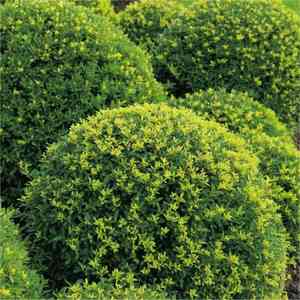
Japanese holly(Ilex crenata)

Japanese holly (Ilex crenata)

Also known as: Japanese Holly, Box-leaved Holly

An evergreen shrub native to East Asia that is well-suited for ornamental use or as a Bonsai tree is the Japanese Boxwood (Buxus microphylla). Originating from regions including Japan, this plant is cherished for its compact, dense foliage and its exceptional ability to be shaped through pruning. Additionally, it maintains its vibrant green color throughout the year, making it a favored choice for gardeners and Bonsai enthusiasts alike.

Attributes of Japanese holly

Lifespan
Perennial
Plant Type
Shrub
Plant Height
3 m to 5 m
Spread
1.5 m to 2.5 m
Leaf Color
Green Yellow
Flower Size
2.5 cm
Flower Color
White Green

PlantJoy - Identify plants with a snap

Identify and diagnose plants, get toxicity alerts, and explore safety guides for all types of fungi.

Try for Free

Images of Japanese holly

Japanese holly(Ilex crenata)

Quickly Identify Japanese holly

1
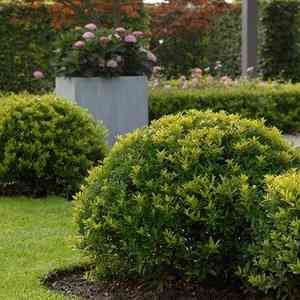
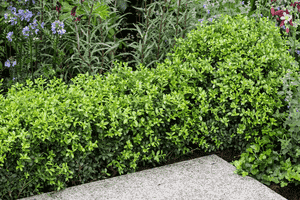
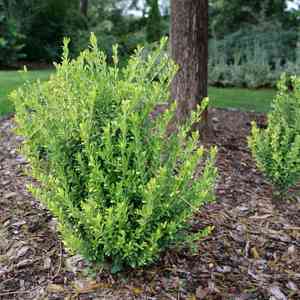
Dense growth forms multi-stemmed shrubs or small trees, rounded in shape, 5-10 feet (1.5-3 meters) tall.
2
Leaves with distinctive crenate margins, shallow rounded indentations, contributing to easy identification.
3
Fruit is a black drupe, spherical, berry-like, 1/4 to 1/3 inch (6 to 8 mm) in diameter.
4
Alternate, elliptic or obovate leaves, 0.5-1.25 inches (1.27-3.18 cm) long.
5
Stems transition from green to grayish-green or grayish-brown, with dense pubescence on young stems.

Scientific Classification of Japanese holly

Phylum
Vascular plants
Class
Dicotyledons
Order
Hollies and allies
Family
Holly
Genus
Ilex
Species
Japanese holly

Planting and Growing of Japanese holly

Care Difficulty
Easy
Watering Schedule
Every 4 days
Sunlight Requirements
Full sun
Sunshine Duration
6-10 hours
Ideal Temperature
60-75℉
Soil Type
Potting Mix, Peat Mix
Soil pH
4.5-6.5
Fertilizer Type
Balanced
Pruning Season
Spring, Summer
Pruning Area
Branches, Leaves
Pruning Frequency
2 times a year
Repotting Season
Spring
Pot Type
Plastic, Ceramic

water icon How to Water Japanese holly?

The watering amount for Ilex crenata should be about 300 milliliters each time, ensuring the soil is moist but not waterlogged. It is essential to let the top inch of soil dry out between waterings, which helps prevent root rot while maintaining the required moisture levels for healthy growth.
What are the symptoms of an underwatered Japanese holly?
What should I do if my Japanese holly is not getting enough water?
What are the symptoms of an overwatered Japanese holly?
How to save an overwatered Japanese holly?
More About Watering Techniques

sunlight icon What Are the Sunlight Requirements for Japanese holly?

Sunlight Requirements: Full sun, Partial sun
Duration of light: 4-6 hours daily
Ilex crenata thrives in full to partial sun exposure, ideally receiving 4-6 hours of light. This range supports vigorous growth while maintaining its attractive dense foliage.
Optimal Environment
Solution for Ideal Light
Benefits of Ideal Lighting
More About Sunlight Requirements Techniques

temperature icon What Is the Ideal Temperature Range for Japanese holly?

Ideal Temperature: 60 ~ 75℉
The ideal temperature range for Ilex crenata, commonly known as Japanese Holly, is between 60°F and 75°F. This range provides optimal conditions for growth and sustenance. Within this temperature interval, the plant can efficiently conduct photosynthesis, maintain moisture, and display healthy foliage vitality. Maintaining environmental conditions within these temperatures ensures that the plant can thrive and resist common pest and disease threats.

soil icon What Soil is Best for Japanese holly?

Soil type: Loam, Acidic soil, Sandy loam
Soil PH: 4.5 ~ 6.5
Ilex crenata thrives in well-draining soil because it prevents waterlogging, which can lead to root rot. Proper drainage ensures that the roots receive adequate oxygen and nutrients for optimal growth, giving the plant a lush appearance. This plant benefits from a nutrient-rich environment, which can be achieved by incorporating organic matter into the soil. Nutrient abundance supports healthy leaf development and a robust root system, making the plant more resistant to pests and diseases. Ilex crenata prefers soils with slightly acidic pH values. This pH range allows for optimal nutrient availability, particularly iron, which prevents yellowing of leaves (chlorosis) and keeps the foliage vibrant and green. More About Soil

fertilize icon How to Fertilize Japanese holly?

Fertilizer type: Balanced
For Ilex crenata, it is vital to maintain balanced nutrition. During the growing season, use a well-balanced liquid fertilizer at half the recommended strength every two weeks. For slow-release options, apply granules evenly in the soil every four months, following the instructions on the package for quantity to avoid root burn. More About Fertilizing Techniques

prune icon How to Prune Japanese holly?

Pruning Time: Spring, Summer, Autumn
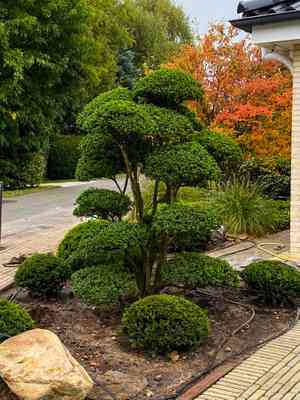
Begin by removing any dead, damaged, or diseased branches. This not only improves the plant's appearance but also directs energy towards healthy growth. To encourage denser growth, trim back the tips of branches lightly. This promotes lateral growth and gives the plant a fuller appearance. Periodically step back and assess the shape of the Ilex crenata. Trim around the edges to maintain its natural form or the desired shape you've chosen for aesthetic purposes. More About Pruning Techniques

propagate icon How to Propagate Japanese holly plant?

Propagate Time: Spring, Early autumn
1
Choose healthy, non-flowering stems from the Ilex crenata plant. Ensure the stems are free from disease and have a vigorous growth pattern for successful propagation.
2
Cut 4-6 inch sections from the selected stems, just below a node. Remove any leaves near the base of the cutting to expose nodes where roots will form.
3
Dip the base of each cutting in rooting hormone before planting them in a well-draining potting mix. Ensure the cuttings are upright and the soil is kept moist but not waterlogged.
More About Propagating Techniques

repot icon How to Repot Japanese holly plant?

Repotting frequency: Every 2-3 years
1
Watch for signs like roots growing out of the drainage holes, slowing growth, or yellowing leaves. These indicate it's time for a new pot with fresh soil.
2
Select a pot that is only slightly larger than the existing one. Ideally, it should have good drainage holes to prevent waterlogging, which benefits root health and growth.
3
Opt for soil rich in organic matter with adequate acidity similar to peat moss and sand. Such a mix ensures proper drainage and nutrients, fostering healthy establishment.

PlantJoy - Identify plants with a snap

Find the best spots for them to optimize their health, simply using your phone.

Try for Free

Toxicity of Japanese holly

Is Japanese holly toxic to cat?

Japanese holly demonstrates a low level of toxicity to felines. If cats ingest substantial amounts of any section of this plant, they risk experiencing poisoning. Upon ingestion, a cat may exhibit signs of physical distress, which should be carefully observed by their owners. Prompt veterinary attention is crucial to effectively address the health repercussions of poisoning. It is essential for cat owners to remain alert and ensure their pets do not have access to Japanese holly to mitigate any possible health hazards.

Is Japanese holly toxic to dog?

Japanese holly presents a mild toxicity risk for dogs. Canines may suffer poisoning from this plant if they ingest it in significant quantities. Every part of the japanese holly plant is toxic, indicating that the ingestion of any section, be it leaves, berries, or stems, could potentially result in poisoning. Symptoms associated with poisoning can include gastrointestinal disturbances such as vomiting and diarrhea. It is essential for dog owners to keep a close watch on their pets and restrict access to japanese holly, particularly if their dog tends to chew on plants. Should a dog consume japanese holly, it is vital to seek immediate care at a veterinary clinic to safeguard the animal's health and well-being.

Identify toxic plants for your safety

Learn which plants are harmful to you and your pets, and make informed choices for a safer home!

Try for Free
WARNING
The judgment on toxicity and danger is for reference only. We DO NOT GUARANTEE any accuracy of such judgment. Therefore, you SHALL NOT rely on such judgment. It is IMPORTANT TO SEEK PROFESSIONAL ADVICE in advance when necessary.
More About Toxic Techniques