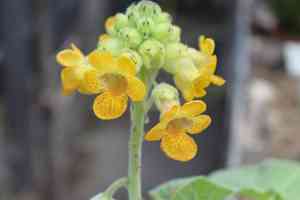
Yellow unicorn-plant (Ibicella lutea)
Also known as: Yellow devil's claw
Many plants feature various adaptations on their aerial surfaces. These can include a dense covering of fine, glandular hairs and a sticky resinous coating. These adaptations help protect the plant from herbivores, reduce water loss, and sometimes trap small insects.
In This Article
Attributes of Yellow unicorn-plant
Lifespan
Annual
Plant Type
Herb
Plant Height
Approximately 30-60 cm (12-24 inches)
Spread
Approximately 60-90 cm (24-36 inches)
Leaf Color
Red
Flower Size
Around 5-7 cm
Flower Color
Yellow
Images of Yellow unicorn-plant
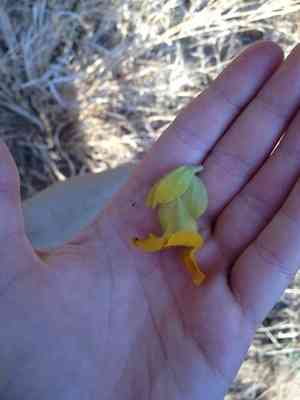
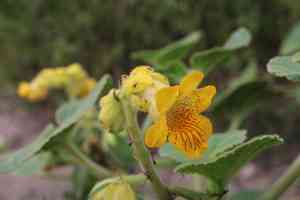
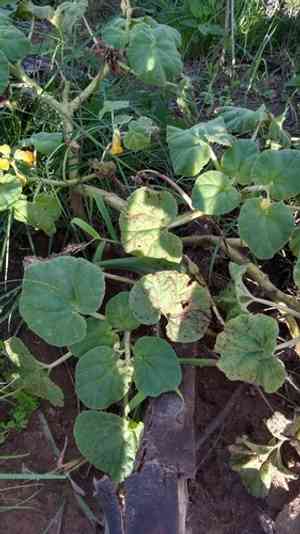
Quickly Identify Yellow unicorn-plant
1
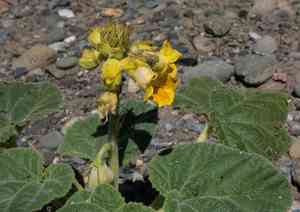
Ibicella lutea can be identified by its yellow, trumpet-shaped flowers and unique seed pods that have long, claw-like hooks.
Scientific Classification of Yellow unicorn-plant
Phylum
Vascular plants
Class
Dicotyledons
Order
Lamiales
Family
Unicorn plant
Genus
Yellow unicorn-plant
Species
Yellow unicorn-plant
Planting and Growing of Yellow unicorn-plant
Care Difficulty
Easy
Watering Schedule
Every 2 days
Sunlight Requirements
Full sun
Sunshine Duration
6-10 hours
Ideal Temperature
70-86℉
Soil Type
Potting Mix, Peat Mix
Soil pH
6.5-7.5
Fertilizer Type
Balanced
Pruning Season
Spring, Summer
Pruning Area
Branches, Leaves
Pruning Frequency
2 times a year
Repotting Season
Spring
Pot Type
Plastic, Ceramic
 How to Water Yellow unicorn-plant?
Ibicella lutea, also known as the Devil's Claw, requires well-draining soil with moderate moisture. When watering, aim for 250 ml each time, ensuring the soil is moist but not waterlogged. This plant prefers a balance, avoiding both drought and excessive wetness.
What are the symptoms of an underwatered Yellow unicorn-plant?
›
What should I do if my Yellow unicorn-plant is not getting enough water?
›
What are the symptoms of an overwatered Yellow unicorn-plant?
›
How to save an overwatered Yellow unicorn-plant?
›
 What Are the Sunlight Requirements for Yellow unicorn-plant?
Ibicella lutea prefers a light range of full sun to partial sun. Such conditions promote vigorous growth, enhance flowering, and improve the plant's structural integrity and resistance to diseases.
What is the ideal lighting condition for Ibicella lutea?
›
How to achieve the ideal lighting for Ibicella lutea?
›
What are the benefits of securing ideal lighting for Ibicella lutea?
›
 What Is the Ideal Temperature Range for Yellow unicorn-plant?
Ibicella lutea thrives best in a warm environment where temperatures range from 70 to 86°F. This range supports optimal metabolic processes and ensures overall healthy growth. Consistently maintained temperatures within this range help to facilitate active growth phases and flowering. Any deviations from this temperature range may affect physiological processes.
 What Soil is Best for Yellow unicorn-plant?
Ibicella lutea thrives in well-drained soil to prevent waterlogging, which can cause root rot and hinder plant growth. Good drainage promotes healthy root development and ensures adequate oxygen supply. To support its growth, Ibicella lutea needs nutrient-rich soil. Organic matter such as compost can be added to enhance soil fertility, providing essential nutrients for robust plant health. While drainage is crucial, the soil must retain some moisture to sustain the plant. Sandy loam is ideal as it balances water retention and drainage, ensuring the plant remains hydrated but not oversaturated.
 How to Fertilize Yellow unicorn-plant?
Ibicella lutea requires a balanced fertilization approach. For liquid fertilizers, apply a solution with a concentration of 1 teaspoon per gallon of water. For slow-release fertilizers, use around 3 to 4 tablespoons per mature plant, evenly distributed across the root zone. Adjust fertilization based on plant size and growth stage, ensuring not to exceed typical recommended rates to prevent nutrient burn.
 How to Prune Yellow unicorn-plant?
Begin by examining the Ibicella lutea for any damaged or diseased parts, which should be removed first. Use sharp, clean pruning shears to trim back about one-third of the plant to promote branching and flower production. Focus on trimming back long, leggy stems to maintain a compact shape. Be sure to cut just above a leaf node to encourage new growth.
More About Pruning Techniques→
 How to Propagate Yellow unicorn-plant plant?
1
Collect seeds from mature Ibicella lutea fruits when they are dry and brown. Clean the seeds of any fruit residue and dry them completely to prevent mold growth during storage.
2
Fill seed trays with a well-draining potting mix and sow the seeds on the surface. Cover them lightly with additional mix to allow light to reach them, as they require light for germination.
3
Keep the seed tray in a warm location with indirect sunlight. Water regularly to maintain consistent moisture, but avoid waterlogging to prevent root rot and fungal diseases.
 How to Repot Yellow unicorn-plant plant?
1
Ibicella lutea, known for its peculiar horned seed pods, signals its need for repotting when roots begin circling the pot's perimeter or growing through drainage holes. Spring, when new growth is abundant, provides the ideal conditions for minimizing stress and maximizing recovery.
2
Select a pot that offers sufficient room for growth, typically one to two inches larger in diameter than its current container. A pot with excellent drainage and made of breathable material helps prevent root rot and promotes healthy airflow around the plant’s roots.
3
Opt for a well-draining sandy soil mix, catering to the plant’s natural habitat of arid conditions. This type of soil minimizes moisture retention, reducing the risk of root decay while providing adequate support for the plant's nutritional needs.
Toxicity
Ingestion or skin contact with plant parts
WARNING
The judgment on toxicity and danger is for reference only. We DO NOT GUARANTEE any accuracy of such judgment. Therefore, you SHALL NOT rely on such judgment. It is IMPORTANT TO SEEK PROFESSIONAL ADVICE in advance when necessary.
Learn More About Yellow unicorn-plant Diseases
Anthracnose
Bacterial Leaf Spot
Bacterial Soft Rot
Bacterial Wilt
Chemical Injury
Crown Gall
Cyst Nematode
Damping-off
Downy Mildew
Drought Stress
Fusarium Wilt
Gray Mold
Leaf Curl
Leaf Spot
Mosaic
Nutrient Deficiency
Nutrient Toxicity
Powdery Mildew
Root Rot
Root-knot Nematode
Rusts
Sooty Mold
Spider Mites
Temperature Stress
Thrips Damage
White Mold



