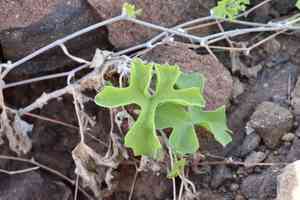
Ibervillea sonorae (Ibervillea sonorae)
Also known as: Elephant's Foot, Wereke, Wareque
Ibervillea sonorae, known for its hardiness in dry conditions, is a perennial vine that exhibits remarkable survival traits. Its large, water-storing caudex enables it to endure prolonged droughts. This plant features robust, fleshy vines adorned with lobed leaves and bright yellow flowers, which later develop into round fruits. Its deep root system and the ability to shed leaves during dry spells further enhance its drought resistance, making it well-suited for the arid landscapes of the Sonoran Desert. These adaptations highlight the plant's exceptional ability to survive in resource-limited environments.
In This Article
Attributes of Ibervillea sonorae
Lifespan
Perennial
Plant Type
Vine, Succulent
Plant Height
Up to 3 meters (10 feet) in length
Spread
The caudex can reach up to 1 meter (3 feet) in diameter
Leaf Color
Green
Flower Size
About 1 cm
Flower Color
Yellow
Images of Ibervillea sonorae
Quickly Identify Ibervillea sonorae
1
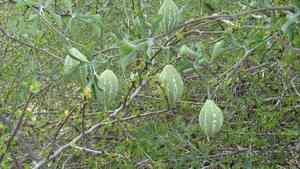
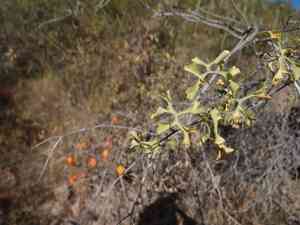
Distinctive identification features include its large, bulbous caudex, slender vines, and small yellow flowers. The caudex can grow very large, sometimes resembling an elephant's foot.
Scientific Classification of Ibervillea sonorae
Phylum
Vascular plants
Class
Dicotyledons
Order
Cucurbitales
Family
Gourd
Genus
Globeberry
Species
Ibervillea sonorae
Planting and Growing of Ibervillea sonorae
Care Difficulty
Hard
Watering Schedule
Every day
Sunlight Requirements
Full sun
Sunshine Duration
6-12 hours
Ideal Temperature
68-86℉
Soil Type
Potting Mix, Peat Mix
Soil pH
6.5-7.5
Fertilizer Type
Balanced
Pruning Season
Spring, Summer
Pruning Area
Branches, Leaves
Pruning Frequency
2 times a year
Repotting Season
Spring
Pot Type
Plastic, Ceramic
 How to Water Ibervillea sonorae?
Ibervillea sonorae requires watering that mimics its natural desert habitat. Water thoroughly, ensuring about 250 ml penetrates deeply into the soil. This allows the root system to absorb moisture efficiently, promoting robust growth while avoiding root rot.
What are the symptoms of an underwatered Ibervillea sonorae?
›
What should I do if my Ibervillea sonorae is not getting enough water?
›
What are the symptoms of an overwatered Ibervillea sonorae?
›
How to save an overwatered Ibervillea sonorae?
›
 What Are the Sunlight Requirements for Ibervillea sonorae?
Ibervillea sonorae ideally needs full sun to partial sun exposure. This range allows it to photosynthesize effectively, leading to stronger growth, healthier foliage, and vibrant coloring.
What is the best light condition for Ibervillea sonorae?
›
How can you ensure Ibervillea sonorae receives ideal light?
›
What are the benefits of Ibervillea sonorae receiving its ideal light?
›
 What Is the Ideal Temperature Range for Ibervillea sonorae?
Ibervillea sonorae thrives in temperatures ranging from 68°F to 86°F. This range ensures that the plant's physiological growth processes, such as photosynthesis and respiration, occur efficiently. Providing the plant with this temperature range helps in maintaining its health and promoting vibrant growth.
 What Soil is Best for Ibervillea sonorae?
Ibervillea sonorae thrives in well-drained soil, preventing waterlogging and root rot. This type of soil ensures that excess water is efficiently drained away, which is vital for the health of this succulent-like plant. While Ibervillea sonorae doesn't have high nutrient demands, a soil enriched with organic matter supports its growth. Organic matter provides essential nutrients and improves soil texture, fostering robust plant development. Ibervillea sonorae prefers soil that retains some moisture but does not stay wet for long periods. Such conditions mimic its natural desert environment, supporting healthy growth by providing sufficient hydration without causing root problems.
 How to Fertilize Ibervillea sonorae?
For Ibervillea sonorae, it's important to apply fertilizer in moderation. During growing seasons, a diluted liquid fertilizer should be used; mix at half the recommended strength to avoid excess nutrients which can harm the plant.
 How to Prune Ibervillea sonorae?
Pruning is most effective in Spring and Summer when the plant is actively growing. Avoid major pruning during Autumn and Winter as the plant's growth slows down, making recovery from cuts slower. After pruning, inspect the plant regularly for signs of pests or diseases. Early detection can prevent the spread and maintain the health of your Ibervillea sonorae. Removing too much at once can stress the plant. Aim to prune no more than one-third of the plant’s total growth at a time to maintain its vigor.
More About Pruning Techniques→
 How to Propagate Ibervillea sonorae plant?
1
Gather seeds from mature Ibervillea sonorae fruits in the spring. Ensure they are fully dried before storage or planting to prevent mold.
2
Select healthy, non-flowering stems and cut sections approximately 5-10 cm in length. Remove lower leaves to reduce contact with the soil.
3
Dip the cut end into rooting hormone, then place it into a well-draining potting mix. Maintain high humidity levels until the cuttings root.
 How to Repot Ibervillea sonorae plant?
1
Ibervillea sonorae should be repotted when you notice the plant becoming root-bound, which is when roots start to circle around the pot or emerge from drainage holes. Additionally, if the plant's growth significantly slows down or the soil retains moisture for too long, it may be time for a new pot. Ideally, check the plant at the beginning of its active growing season in early spring.
2
Select a pot that is only slightly larger than the current one, with adequate drainage holes to prevent waterlogging. A terracotta pot is ideal as it provides better airflow to the roots, helping them to dry out properly between waterings. The right pot ensures a healthier root environment and promotes better growth.
3
Ibervillea sonorae thrives in well-draining soil, preferably a cactus mix that includes sand, perlite, and pumice. This blend replicates its natural arid habitat, allowing efficient water drainage and preventing root rot. Good soil management is crucial for the optimal health of this plant.
Learn More About Ibervillea sonorae Diseases
Anthracnose
Bacterial Leaf Spot
Bacterial Soft Rot
Bacterial Wilt
Black Spot
Chemical Injury
Crown Gall
Cyst Nematode
Damping-off
Downy Mildew
Drought Stress
Fusarium Wilt
Gray Mold
Leaf Curl
Leaf Spot
Mosaic
Nutrient Deficiency
Nutrient Toxicity
Powdery Mildew
Root Rot
Root-knot Nematode
Rusts
Sooty Mold
Spider Mites
Temperature Stress
Thrips Damage
White Mold



