Iberis (Iberis) (Iberis)
Also known as: Candytuft
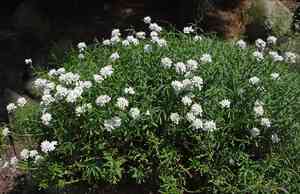
Iberis, commonly known as "Candytufts," are small flowering plants in the mustard family. Despite the name suggesting something sweet, "Candytufts" actually refers to Candia, the old name for a major town on Crete. These plants are popular in rock gardens, bedding, and borders due to their abundant, showy flowers. The blooms are often associated with the symbolism of indifference.
In This Article
Attributes of Iberis (Iberis)
Lifespan
Annual, Biennial, Perennial
Plant Height
30 cm
Spread
40 cm
Leaf Color
Dark green
Flower Size
1-1.5 cm
Flower Color
White, pink, purple
Images of Iberis (Iberis)
Quickly Identify Iberis (Iberis)
1
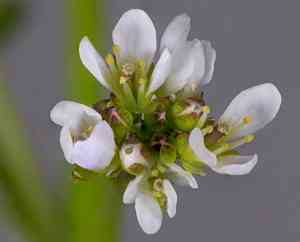
Iberis can be identified by its rosette of evergreen leaves and its dense, flat-topped clusters of tiny four-petaled flowers, which typically bloom in spring. The flowers are usually white, but some varieties can be pink or purple.
Scientific Classification of Iberis (Iberis)
Phylum
Magnoliophyta
Class
Magnoliopsida
Order
Brassicales
Family
Brassicaceae
Genus
Iberis
Planting and Growing of Iberis (Iberis)
Care Difficulty
Easy
Watering Schedule
Every 3 days
Sunlight Requirements
Full sun
Sunshine Duration
4-8 hours
Ideal Temperature
60-75℉
Soil Type
Potting Mix, Peat Mix
Soil pH
6.5-7.5
Fertilizer Type
Balanced
Pruning Season
Spring, Summer
Pruning Area
Branches, Leaves
Pruning Frequency
2 times a year
Repotting Season
Spring
Pot Type
Plastic, Ceramic
 How to Water Iberis (Iberis)?
Iberis needs moderate watering, ensuring the soil is moist but never waterlogged. The ideal way is to water until you see a bit of drainage from the bottom of the pot. This typically means around 200 ml per session, but always check the soil moisture before proceeding.
What are the symptoms of an underwatered Iberis (Iberis)?
›
What should I do if my Iberis (Iberis) is not getting enough water?
›
What are the symptoms of an overwatered Iberis (Iberis)?
›
How to save an overwatered Iberis (Iberis)?
›
 What Are the Sunlight Requirements for Iberis (Iberis)?
Iberis prefers full to partial sun exposure, 6-8 hours daily, which results in prolific flowering and robust plant health, enhancing its natural resilience and beauty.
What is the ideal lighting for Iberis?
›
How to achieve ideal lighting for Iberis?
›
What are the benefits of ideal lighting for Iberis?
›
 What Is the Ideal Temperature Range for Iberis (Iberis)?
The ideal temperature range for cultivating Iberis is between 60°F and 75°F. This range allows the plant to thrive, promoting healthy growth and blooming. Temperatures within this range help in maintaining optimal metabolic activities crucial for the development of Iberis. How does this temperature range affect the plant's growth? Within these temperatures, the plant's physiological processes like photosynthesis and respiration function efficiently, leading to robust and vibrant foliage.
 What Soil is Best for Iberis (Iberis)?
Iberis thrives in well-drained soil because it prevents waterlogging, which can lead to root diseases. The free drainage ensures that roots receive enough oxygen, leading to a healthier and more robust plant. While Iberis enjoys well-drained conditions, the soil should still retain some moisture. Consistent moisture helps in the constant uptake of nutrients, supporting vigorous growth and prolonged flowering periods. A nutrient-rich environment is vital for Iberis. Enriched soil with organic matter or compost promotes lush foliage and vibrant blooms, ensuring robust plants with high resistance to pests and diseases.
 How to Fertilize Iberis (Iberis)?
Iberis is a relatively low-maintenance plant, so excessive fertilization can lead to more harm than good. A balanced all-purpose fertilizer diluted to half strength is generally sufficient for its needs. Apply approximately 10 grams per square meter if using granular fertilizer.
 How to Prune Iberis (Iberis)?
Start by removing any dead or diseased wood, cutting back to healthy areas. Trim the plant soon after its flowering period in spring or autumn. To encourage a bushy growth, cut back one-third of the plant evenly. Always make your cuts just above a leaf node to promote new growth. Avoid cutting into the old wood since Iberis may not regenerate from very hard pruning. Regularly check for and remove any crowded or crossing branches to maintain air circulation.
 How to Propagate Iberis (Iberis) plant?
1
Fill a seed tray with a seed-starting mix, ensuring it is moist but not soggy. Distribute the Iberis seeds evenly over the surface, and cover them lightly with a thin layer of soil. Maintain a consistent temperature and humidity to encourage germination, typically within 10-14 days.
2
Select a healthy, non-flowering shoot from the parent plant. Use sterilized pruning shears to cut a 5-10 cm section from the tip. Remove any leaves from the lower half and dip the cut end in rooting hormone to facilitate root formation.
3
Prepare a pot with a mix of half sand and half peat. Insert the Iberis cutting into the mix deep enough to stand upright. Water lightly and cover with a plastic bag or cloche to maintain humidity until roots have formed in 4-6 weeks.
 How to Repot Iberis (Iberis) plant?
1
Look for signs like root-bound conditions where roots emerge from the drainage holes, or when soil compaction occurs making it difficult for the plant to absorb water. Repotting ideally should start when the plant seems less vigorous or its growth has slowed, indicating it's time for a new container with fresh soil.
2
Select a pot that is about 2 inches larger in diameter than the current one. The new pot should have good drainage holes to prevent water logging. Opting for a breathable material like terracotta allows excess moisture to escape, promoting healthier root growth and preventing rot.
3
Choose a well-draining loamy soil mix enriched with organic matter. This choice aids in adequate air circulation to the roots while retaining necessary moisture. It prevents water stagnation and provides the nutrients essential for your Iberis's robust growth.
Learn More About Iberis (Iberis) Diseases
Anthracnose
Bacterial Leaf Spot
Bacterial Soft Rot
Clubroot
Crown Gall
Cyst Nematode
Damping-off
Downy Mildew
Fusarium Wilt
Gray Mold
Leaf Spot
Mosaic
Powdery Mildew
Root Rot
Root-knot Nematode
Rusts
Sooty Mold
White Mold
Chemical Injury
Drought Stress
Nutrient Deficiency
Nutrient Toxicity
Temperature Stress
Spider Mites
Thrips Damage

