
Hyssop (Hyssopus) (Hyssopus)
Also known as: Hyssop
Thyme plants are recognized for their petite, fragrant leaves. Varieties such as Thymus vulgaris are widely used in European cooking. Beekeepers appreciate thyme because bees produce aromatic honey from its nectar. While commonly found in herb gardens, thyme also enhances flower beds and borders.
In This Article
Attributes of Hyssop (Hyssopus)
Lifespan
Perennial
Plant Height
30-60 cm
Spread
15-30 cm
Leaf Color
Dark green
Flower Size
1-2 cm
Flower Color
Blue, pink, white
Images of Hyssop (Hyssopus)


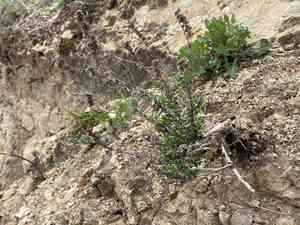
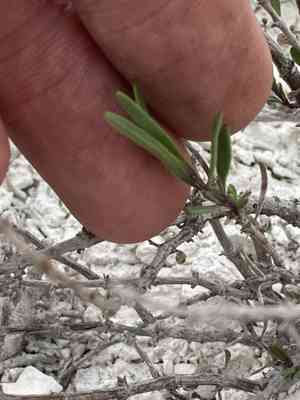
Quickly Identify Hyssop (Hyssopus)
1
Hyssop can be identified by its aromatic, lanceolate leaves and spiky flower clusters, which are typically blue, pink, or white. It has a woody base and can grow up to 60 cm tall. The plant\'s square stems are another characteristic feature of the mint family.
Scientific Classification of Hyssop (Hyssopus)
Phylum
Magnoliophyta
Class
Magnoliopsida
Order
Lamiales
Family
Lamiaceae
Genus
Hyssopus
Planting and Growing of Hyssop (Hyssopus)
Care Difficulty
Easy
Watering Schedule
Every 2 days
Sunlight Requirements
Full sun
Sunshine Duration
6-10 hours
Ideal Temperature
60-75℉
Soil Type
Potting Mix, Peat Mix
Soil pH
6.5-7.5
Fertilizer Type
Balanced
Pruning Season
Spring, Summer
Pruning Area
Branches, Leaves
Pruning Frequency
2 times a year
Repotting Season
Spring
Pot Type
Plastic, Ceramic
 How to Water Hyssop (Hyssopus)?
When watering Hyssopus, ensure the soil is moist but not waterlogged. Typically, 200 ml of water per session is adequate, allowing the liquid to seep into the roots without creating a swampy environment.
What are the symptoms of an underwatered Hyssop (Hyssopus)?
›
What should I do if my Hyssop (Hyssopus) is not getting enough water?
›
What are the symptoms of an overwatered Hyssop (Hyssopus)?
›
How to save an overwatered Hyssop (Hyssopus)?
›
 What Are the Sunlight Requirements for Hyssop (Hyssopus)?
Hyssopus does best in full to partial sun environments. Adequate light exposure promotes healthy, lush foliage, enhancing the plant's aromatic qualities and overall aesthetic appeal.
Best Placement
›
Getting Adequate Light in Shaded Areas
›
Benefits of Ideal Lighting
›
 What Is the Ideal Temperature Range for Hyssop (Hyssopus)?
The optimal temperature range for Hyssopus, commonly known as hyssop, is from 60°F to 75°F. Within this range, the plant experiences the best physiological conditions, promoting healthy growth and maximum flowering potential. Maintaining temperatures within this range ensures that the metabolic processes operate efficiently, leading to robust growth and vibrant foliage.
 What Soil is Best for Hyssop (Hyssopus)?
Hyssopus thrives in well-drained soil which prevents root rot and ensures healthy plant growth. This requirement helps in maintaining a balance of moisture and aeration in the root zone, which is crucial for nutrient uptake. The plant benefits from nutrient-rich soil, which provides essential minerals and nutrients. This enhances its aromatic properties and promotes robust growth and vibrant flowering. Hyssopus prefers slightly alkaline soil, which can improve the uptake of key nutrients like phosphorus, enhancing the plant's metabolic processes and overall health.
 How to Fertilize Hyssop (Hyssopus)?
For Hyssopus, a balanced nitrogen, phosphorus, and potassium (N-P-K) fertilizer at half the recommended strength is ideal. Typically, you should use about 5 grams of granulated fertilizer per plant for solid applications. This ensures that the plant receives adequate nutrients without causing root burn or significant pH changes in the soil.
 How to Prune Hyssop (Hyssopus)?
Look for dead or damaged stems on your Hyssopus plant first. These are the areas to target initially, removing them to stimulate health and improve air circulation within the plant. Focus on maintaining a rounded shape. Trim back any overgrown areas, making sure to cut just above a leaf node. This encourages new, bushy growth that enhances the plant's appearance. To promote more flowers, cut back the stems by about one-third in early spring. This will encourage new growth and an abundance of blooms throughout the growing season.
 How to Propagate Hyssop (Hyssopus) plant?
1
Harvest seeds from mature Hyssopus plants in late summer to ensure full ripeness. Dry them thoroughly before sowing to prevent mold or rot.
2
Select healthy, non-flowering stems for cuttings. Cut 4-6 inch sections just below a leaf node and remove the lower leaves to reduce water loss.
3
In early spring, carefully dig up established Hyssopus plants. Use a clean, sharp knife to separate clumps while ensuring each division has roots attached.
 How to Repot Hyssop (Hyssopus) plant?
1
Hyssopus requires repotting when roots emerge from drainage holes or growth appears stunted despite proper care. Opt to repot during early spring or autumn to minimize stress and ensure a seamless transition to its new home.
2
Select a pot slightly larger than the current one with good drainage. A terracotta pot is ideal as it allows for natural aeration and moisture management, fostering a robust root system and minimizing root rot risks.
3
Choose a well-draining soil mix with a neutral pH for optimal growth. This soil prevents waterlogging, providing a balanced environment for roots to access both air and water, which contributes to healthy plant growth.
Learn More About Hyssop (Hyssopus) Diseases
Anthracnose
Bacterial Leaf Spot
Bacterial Soft Rot
Bacterial Wilt
Chemical Injury
Crown Gall
Cyst Nematode
Damping-off
Downy Mildew
Drought Stress
Fusarium Wilt
Gray Mold
Leaf Curl
Leaf Spot
Mosaic
Nutrient Deficiency
Nutrient Toxicity
Powdery Mildew
Root Rot
Root-knot Nematode
Rusts
Sooty Mold
Spider Mites
Temperature Stress
Thrips Damage
White Mold

