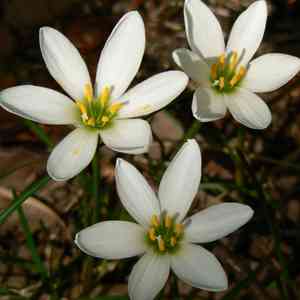
Fringed yellow star-grass (Hypoxis juncea)
Also known as: Rushleaf Star-grass, Rush-leaf Yellow Star-grass
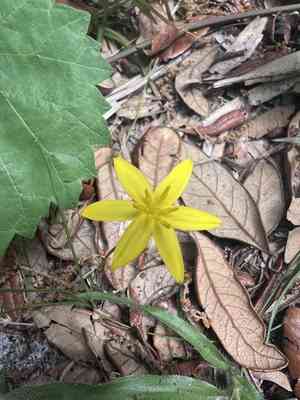
Hypoxis juncea, also known as fringed yellow star-grass or rushy hypoxis, features extremely narrow, thread-like leaves. Despite its name, it is not part of the true grass family. This species is native to coastal plains stretching from Florida and Alabama up to North Carolina. It is a facultative wetland perennial forb.
In This Article
Attributes of Fringed yellow star-grass
Lifespan
Perennial
Plant Type
Herb
Plant Height
10-30 cm
Spread
Not applicable (No significant crown)
Leaf Color
Green
Flower Size
1-3 cm
Flower Color
Yellow
Images of Fringed yellow star-grass
Quickly Identify Fringed yellow star-grass
1
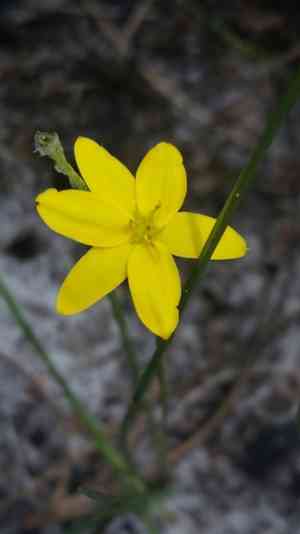
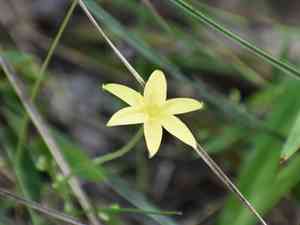
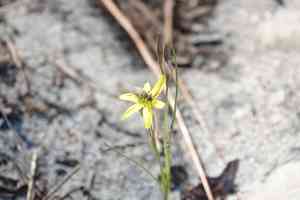
Hypoxis juncea can be identified by its narrow, grass-like leaves that are often folded and its star-shaped, yellow flowers with six petals. The flowers typically bloom in clusters at the top of slender stems.
Scientific Classification of Fringed yellow star-grass
Phylum
Vascular plants
Class
Monocotyledons
Order
Asparagales
Family
Stargrass
Genus
Star-grass
Species
Fringed yellow star-grass
Planting and Growing of Fringed yellow star-grass
Care Difficulty
Moderate
Watering Schedule
Every 2 days
Sunlight Requirements
Full sun
Sunshine Duration
4-8 hours
Ideal Temperature
60-75℉
Soil Type
Potting Mix, Peat Mix
Soil pH
6.5-7.5
Fertilizer Type
Balanced
Pruning Season
Spring, Summer
Pruning Area
Branches, Leaves
Pruning Frequency
2 times a year
Repotting Season
Spring
Pot Type
Plastic, Ceramic
 How to Water Fringed yellow star-grass?
Hypoxis juncea prefers a moderate amount of water. Ensure the soil is thoroughly moistened with approximately 200 ml each time. Avoid making the soil soggy, but aim for a consistently moist environment to mimic its natural habitat.
What are the symptoms of an underwatered Fringed yellow star-grass?
›
What should I do if my Fringed yellow star-grass is not getting enough water?
›
What are the symptoms of an overwatered Fringed yellow star-grass?
›
How to save an overwatered Fringed yellow star-grass?
›
 What Are the Sunlight Requirements for Fringed yellow star-grass?
Hypoxis juncea thrives best under full to partial sun conditions, ideally basking in 6 to 8 hours of sunlight daily. Adequate lighting aids its physiological processes, including photosynthesis, resulting in robust growth and vibrant blooms.
What kind of sunlight does Hypoxis juncea prefer?
›
How can I provide ideal lighting for Hypoxis juncea?
›
Why is proper lighting beneficial to Hypoxis juncea?
›
 What Is the Ideal Temperature Range for Fringed yellow star-grass?
The ideal temperature range for Hypoxis juncea is between 60°F and 75°F. This range ensures proper growth and development by providing the optimal environment for photosynthesis and other metabolic processes. Maintaining temperatures within this range also reduces stress on the plant and minimizes the risk of disease.
 What Soil is Best for Fringed yellow star-grass?
Hypoxis juncea thrives best in well-drained soil. This type of soil prevents root rot and supports healthy root development, allowing the plant to access essential nutrients efficiently. A soil pH of 6.5 to 7.5 is ideal for this plant, promoting optimal nutrient uptake and preventing issues related to nutrient deficiencies or toxicities. While Hypoxis juncea does not require overly rich soil, moderate fertility ensures enough nutrients for growth, especially during the flowering period, enhancing its overall vigor and blooms.
 How to Fertilize Fringed yellow star-grass?
Hypoxis juncea requires careful and moderate fertilization. A small amount of balanced fertilizer, about 5 grams per plant, should be adequate. Be cautious, as too much fertilizer can damage the plant's roots and lead to poor growth.
 How to Prune Fringed yellow star-grass?
Begin by identifying any dead, damaged, or diseased leaves and stems. Using clean and sharp pruning shears, make cuts just above a healthy node or the base of unwanted growth. Aim to remove up to one-third of the plant to maintain its shape. After addressing any unhealthy parts, focus on shaping the plant. Cut back leggy or straggly stems to promote a bushier appearance. If the plant looks dense, thin out a few stems from the center to enhance air circulation.
More About Pruning Techniques→
 How to Propagate Fringed yellow star-grass plant?
1
Begin by selecting a well-draining soil mix, ideal for Hypoxis juncea. Ensure the soil is moistened consistently but not waterlogged, which is crucial for seedling development.
2
Scatter seeds on top of the prepared soil and lightly cover them. Maintain consistent temperature and humidity by covering with a plastic dome or using a propagator.
3
Carefully dig around the plant to expose rhizomes. Use a sharp knife to separate them, ensuring each piece has visible buds. Replant immediately in well-prepared soil.
 How to Repot Fringed yellow star-grass plant?
1
Repotting Hypoxis juncea is needed when you notice roots emerging from the drainage holes, the plant seems overcrowded, or when it's not thriving despite proper care. Early spring is ideal as the plant's growing energy is highest, aiding a smoother transition.
2
Select a pot that's about an inch larger in diameter than the current one but not overly spacious. A pot that's too large can retain excess moisture, risking root rot. Choose a pot with multiple drainage holes to ensure proper water flow, keeping the roots healthy.
3
Opt for a well-draining, sandy soil mix that mimics its natural environment. This type of soil prevents waterlogging while allowing adequate air flow to the roots, which is crucial for preventing rot and promoting healthy growth.
Learn More About Fringed yellow star-grass Diseases
Anthracnose
Bacterial Leaf Spot
Bacterial Soft Rot
Bacterial Wilt
Black Spot
Chemical Injury
Cyst Nematode
Damping-off
Downy Mildew
Drought Stress
Fusarium Wilt
Gray Mold
Leaf Spot
Mosaic
Nutrient Deficiency
Nutrient Toxicity
Powdery Mildew
Root Rot
Root-knot Nematode
Rusts
Sooty Mold
Spider Mites
Temperature Stress
Thrips Damage
White Mold



