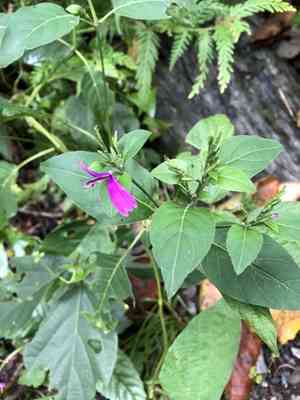
Hypoestes purpurea (Hypoestes purpurea)
Also known as: Purple Hypoestes, Purple Polka Dot Plant
Hypoestes phyllostachya, commonly known as the Polka Dot Plant, is celebrated for its vibrant, eye-catching foliage. The leaves are adorned with a distinctive polka-dot pattern, featuring splashes of pink, purple, or white on a green backdrop. It flourishes in warm, shaded environments with high humidity. This compact plant is a favorite for indoor decoration and works well as ground cover in tropical settings.
In This Article
Attributes of Hypoestes purpurea
Lifespan
Perennial
Plant Type
Herb, Shrub
Plant Height
50 cm
Spread
20 to 45 cm
Leaf Color
Green
Flower Size
1 cm to 2 cm
Flower Color
Purple Blue
Images of Hypoestes purpurea
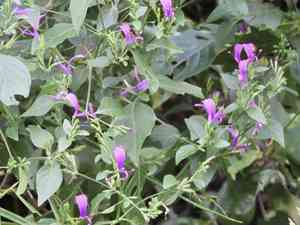
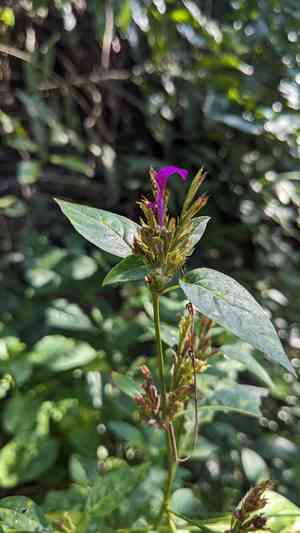
Quickly Identify Hypoestes purpurea
1
Hypoestes purpurea can be identified by its distinctively speckled leaves, which are primarily green with purple spots. The plant usually has a bushy and compact growth habit, and its leaves are oval-shaped with a smooth texture. It is often mistaken for Hypoestes phyllostachya, but the purple coloring differentiates it.
Scientific Classification of Hypoestes purpurea
Phylum
Vascular plants
Class
Dicotyledons
Order
Mints plantains olives and allies
Family
Acanthus
Genus
Hypoestes
Species
Hypoestes purpurea
Planting and Growing of Hypoestes purpurea
Care Difficulty
Easy
Watering Schedule
Every 8 days
Sunlight Requirements
Partial sun
Sunshine Duration
6-8 hours
Ideal Temperature
65-75℉
Soil Type
Potting Mix, Peat Mix
Soil pH
6.5-7.5
Fertilizer Type
Balanced
Pruning Season
Spring, Summer
Pruning Area
Branches, Leaves
Pruning Frequency
2 times a year
Repotting Season
Spring
Pot Type
Plastic, Ceramic
 How to Water Hypoestes purpurea?
Hypoestes purpurea requires a watering amount such that the soil remains consistently moist but not waterlogged. It's crucial to pour approximately 200ml of water per session, ensuring the top inch of soil is wet. This prevents dehydration while avoiding root rot.
What are the symptoms of an underwatered Hypoestes purpurea?
›
What should I do if my Hypoestes purpurea is not getting enough water?
›
What are the symptoms of an overwatered Hypoestes purpurea?
›
How to save an overwatered Hypoestes purpurea?
›
 What Are the Sunlight Requirements for Hypoestes purpurea?
For Hypoestes purpurea, ideal light conditions include partial sun with some protection from midday intensity. This balance supports vibrant foliage and healthy plant growth.
What is the best lighting condition for Hypoestes purpurea?
›
How can you achieve the ideal light conditions?
›
What benefits does proper light provide to Hypoestes purpurea?
›
 What Is the Ideal Temperature Range for Hypoestes purpurea?
Hypoestes purpurea thrives best within an ideal temperature range of 65-75°F. This temperature range provides the optimal environmental conditions for the plant’s photosynthesis processes, ensuring healthy, vibrant foliage and robust growth. Consistent temperatures within this range help prevent stress on the plant, promoting lower water loss and efficient nutrient uptake.
 What Soil is Best for Hypoestes purpurea?
Hypoestes purpurea thrives in well-drained soil as it prevents root rot and ensures good oxygen circulation. This kind of soil helps the plant's roots to access necessary nutrients and water efficiently, promoting healthy growth. Having a nutrient-rich substrate is crucial for Hypoestes purpurea as it provides essential minerals and vitamins that foster vibrant foliage and robust growth. Adding organic matter such as compost or well-rotted manure can enhance soil fertility. While Hypoestes purpurea enjoys some soil moisture, it also requires a balance where the soil does not become waterlogged. Maintaining moderate moisture retention supports steady growth while preventing problems like root diseases.
 How to Fertilize Hypoestes purpurea?
For Hypoestes purpurea, use a balanced fertilizer with equal N-P-K ratio. Apply liquid fertilizer at a concentration of one tablespoon per gallon of water during the growing season. Ensure soil moisture before applying to avoid root burn.
 How to Prune Hypoestes purpurea?
Locate the leggy or overlong stems that divert energy from the overall plant. Focus your pruning efforts on these to maintain the plant's aesthetic appeal. Cut at a 45-degree angle above a node or leaf pair. This encourages new shoots and ensures water doesn’t pool on the cut surface, reducing the risk of rot. After pruning, monitor the plant for any signs of distress. Water the plant thoroughly if the soil feels dry, and ensure adequate sunlight for optimal recovery and growth.
More About Pruning Techniques→
 How to Propagate Hypoestes purpurea plant?
1
Choose healthy stems from the parent plant. Cut the stems just below a node, ensuring each cutting is roughly 4-6 inches long. Remove the leaves from the bottom half to minimize water loss.
2
Fill seed trays with well-draining potting mix. Place seeds evenly and cover with a light layer of soil. Mist the soil to keep it consistently moist, and keep the trays in a warm, well-lit area.
3
For division, carefully dig up the mature plant. Gently separate the root ball into smaller sections, ensuring that each section has roots and healthy top growth. Transplant these divisions into new containers.
 How to Repot Hypoestes purpurea plant?
1
Repot Hypoestes purpurea when you notice roots growing out of the drainage holes or if the plant appears root-bound. Additionally, if growth seems stunted despite ideal conditions or leaves appear yellow, it's time to consider repotting. Typically, repotting in spring or summer facilitates recovery.
2
Select a pot that's one size larger with adequate drainage holes. A pot with proper drainage helps avoid water accumulation, which can lead to root rot. Additionally, a slightly larger pot gives the roots space to grow, encouraging healthier plant development.
3
Opt for a well-draining potting mix, preferably one enriched with organic matter. This type of soil maintains the right moisture levels and provides essential nutrients. Good drainage prevents waterlogging and facilitates aeration, essential for root health.
Learn More About Hypoestes purpurea Diseases
Anthracnose
Bacterial Leaf Spot
Bacterial Soft Rot
Chemical Injury
Damping-off
Downy Mildew
Drought Stress
Fusarium Wilt
Gray Mold
Leaf Curl
Leaf Spot
Mosaic
Nutrient Deficiency
Nutrient Toxicity
Powdery Mildew
Root Rot
Root-knot Nematode
Rusts
Sooty Mold
Spider Mites
Temperature Stress
Thrips Damage
White Mold



