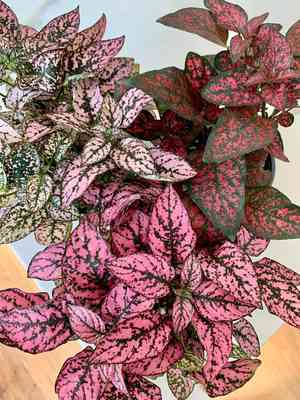
Polka dot plant (Hypoestes phyllostachya)
Also known as: Baby's tears, Measles plant
To enhance the vibrant colors in the leaves of the polka dot plant (Hypoestes phyllostachya), ensure it receives bright, indirect light. This common houseplant, which features variegated leaves often spotted in pink, white, or red, thrives under these conditions. Avoid direct sunlight to prevent leaf scorching.
In This Article
Attributes of Polka dot plant
Lifespan
Perennial
Plant Type
Herb
Plant Height
10 cm to 50 cm
Spread
40 cm to 50 cm
Leaf Color
Green Variegated White Red
Flower Size
2.5 cm
Flower Color
Purple
Images of Polka dot plant
Quickly Identify Polka dot plant
1
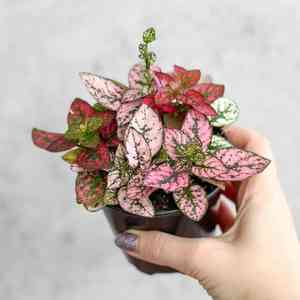
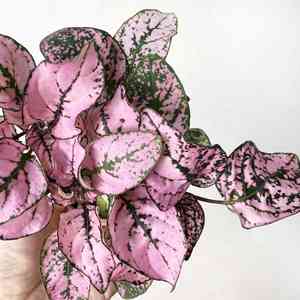
Ovate leaves with polka-dot patterns in pink, red, white, and green.
2
Bushy growth up to 24 inches (60 cm) tall, varying with hybrids.
3
Small tubular flowers in clusters, with pale pink to lavender hues.
4
Leaves 2-4 inches (5-10 cm) long, green with lavender, red, or pink spots.
5
Visible vein pattern and glossy texture on leaves, making them decorative.
Scientific Classification of Polka dot plant
Phylum
Vascular plants
Class
Dicotyledons
Order
Lamiales
Family
Acanthus
Genus
Hypoestes
Species
Polka dot plant
Planting and Growing of Polka dot plant
Care Difficulty
Easy
Watering Schedule
Every 8 days
Sunlight Requirements
Partial sun
Sunshine Duration
4-8 hours
Ideal Temperature
65-80℉
Soil Type
Potting Mix, Peat Mix
Soil pH
6.5-7.5
Fertilizer Type
Balanced
Pruning Season
Spring, Summer
Pruning Area
Branches, Leaves
Pruning Frequency
2 times a year
Repotting Season
Spring
Pot Type
Plastic, Ceramic
 How to Water Polka dot plant?
When watering Hypoestes phyllostachya, ensure that you give them around 200 ml of water each time. The goal is to keep the soil consistently moist but not soggy. Allow the top inch of soil to dry out before watering again to prevent overwatering. This principle helps in maintaining healthy roots and vibrant foliage.
More About Watering Techniques→
What are the symptoms of an underwatered Polka dot plant?
›
What should I do if my Polka dot plant is not getting enough water?
›
What are the symptoms of an overwatered Polka dot plant?
›
How to save an overwatered Polka dot plant?
›
 What Are the Sunlight Requirements for Polka dot plant?
Partial sun offering morning or late afternoon light is ideal. This ensures the plant exhibits vibrant foliage and healthy growth patterns.
More About Sunlight Requirements Techniques→
What is the ideal lighting condition for Hypoestes phyllostachya?
›
How to achieve ideal lighting for Hypoestes phyllostachya?
›
What are the benefits of ideal lighting conditions for Hypoestes phyllostachya?
›
 What Is the Ideal Temperature Range for Polka dot plant?
The polka dot plant thrives best when kept in a temperature range of 65 to 80 degrees Fahrenheit. This range simulates the warm conditions that replicate its natural habitat in Madagascar, promoting healthy growth and vibrant foliage.
 What Soil is Best for Polka dot plant?
Hypoestes phyllostachya thrives in well-draining soil that prevents waterlogging while maintaining moisture. This balance helps the plant avoid root rot and supports healthy growth. Soil enriched with organic matter, like compost, supplies essential nutrients to Hypoestes and improves soil structure. Enhanced nutrient availability promotes vibrant foliage and overall plant vigor. A soil pH of 6.5 to 7.5 is ideal for Hypoestes, providing access to essential nutrients. This pH range promotes optimal plant health and prevents nutrient lockout.
More About Soil→
 How to Fertilize Polka dot plant?
When it comes to fertilizing Hypoestes phyllostachya, known as the polka dot plant, a balanced 10-10-10 or 20-20-20 liquid fertilizer is recommended. Use half the strength of the manufacturer's recommendation. This plant doesn't require heavy feeding, and over-fertilizing could harm it. Always make sure the soil is moist before applying any fertilizer to prevent root burn.
More About Fertilizing Techniques→
 How to Prune Polka dot plant?
Begin by identifying and cutting away any dead or yellowing leaves to promote new growth. Focus on using sharp, clean scissors or pruning shears. Make your cuts just above a leaf node to encourage new branch growth, maintaining a compact and bushy form. Regular trimming of the tips can help the plant maintain its vibrant color and dense foliage.
More About Pruning Techniques→
 How to Propagate Polka dot plant plant?
1
Choose healthy stems from the parent plant that are free from disease or pests. Ideally, select stems that are about 4-6 inches long with a few sets of leaves to ensure better propagation success.
2
Using clean and sharp pruning shears, make a diagonal cut just below a leaf node. This encourages better water uptake and root development at the base of the cutting.
3
Dip the cut end of the stem into rooting hormone, tapping off any excess powder. This step is crucial as it stimulates root growth and helps prevent rot in the cutting.
 How to Repot Polka dot plant plant?
1
You should consider repotting your Hypoestes phyllostachya when you notice roots are starting to come out of the bottom of the pot. Another sign it's time is if water takes an unusually long time to drain after watering. Spring and summer are ideal seasons for repotting this plant due to its active growth phase.
2
Choose a pot that is one size larger than the current one, ideally made of clay to allow breathability. This ensures proper drainage and root growth, preventing root rot and promoting healthy growth. The pot should have adequate drainage holes to avoid standing water accumulation.
3
Opt for a well-draining soil mix, rich in organic matter such as a combination of peat, pine bark, and perlite. This soil structure allows proper airflow and drainage, preventing waterlogging and root rot while retaining enough moisture for the plant's needs.
Toxicity
Ingestion
WARNING
The judgment on toxicity and danger is for reference only. We DO NOT GUARANTEE any accuracy of such judgment. Therefore, you SHALL NOT rely on such judgment. It is IMPORTANT TO SEEK PROFESSIONAL ADVICE in advance when necessary.
Learn More About Polka dot plant Diseases
Anthracnose
Bacterial Leaf Spot
Bacterial Soft Rot
Bacterial Wilt
Chemical Injury
Crown Gall
Damping-off
Downy Mildew
Drought Stress
Fusarium Wilt
Gray Mold
Leaf Curl
Leaf Spot
Mosaic
Nutrient Deficiency
Nutrient Toxicity
Powdery Mildew
Root Rot
Root-knot Nematode
Sooty Mold
Spider Mites
Temperature Stress
Thrips Damage
White Mold



