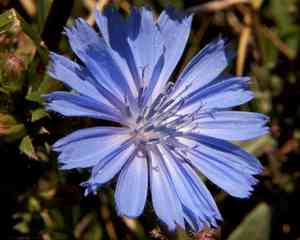
Smooth Cat's Ear (Hypochaeris glabra)
Also known as: Smooth Flatweed, Glabrous Cat's-Ear, Smooth cats ear
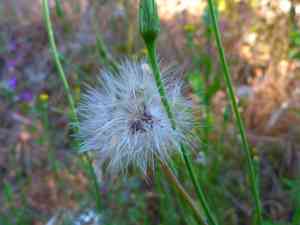
Smooth Cat's Ear (Hypochaeris glabra) is an annual herbaceous plant native to regions including Europe, the Middle East, and Africa. It belongs to the dandelion family and produces flowers that resemble those of common dandelions. Similar to dandelions, its seeds are dispersed by the wind.
In This Article
Attributes of Smooth Cat's Ear
Lifespan
Annual
Plant Type
Herb
Plant Height
10 cm to 50 cm
Spread
40 cm
Leaf Color
Green Blue
Flower Size
3 cm
Flower Color
Yellow
Images of Smooth Cat's Ear
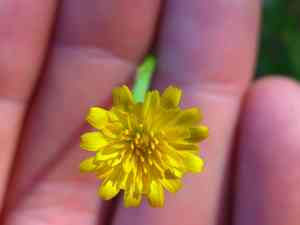
Quickly Identify Smooth Cat's Ear
1
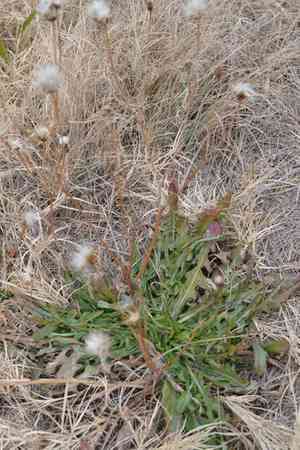
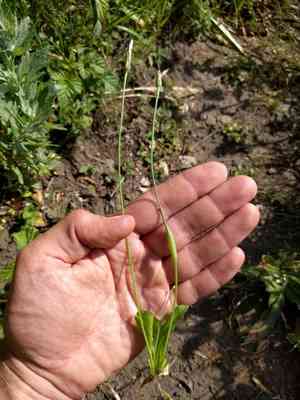
Hypochaeris glabra can be identified by its small yellow flower heads that resemble those of dandelions. Unlike many related species, its leaves are entirely smooth (glabrous) without hairs and are usually basal in a rosette. The plant typically has a single stem or is sparsely branched near the base.
Scientific Classification of Smooth Cat's Ear
Phylum
Vascular plants
Class
Dicotyledons
Order
Asterales
Family
Daisy
Genus
Cat's ears
Species
Smooth Cat's Ear
Planting and Growing of Smooth Cat's Ear
Care Difficulty
Easy
Watering Schedule
Every 2 days
Sunlight Requirements
Full sun
Sunshine Duration
4-8 hours
Ideal Temperature
68-77℉
Soil Type
Potting Mix, Peat Mix
Soil pH
6.5-7.5
Fertilizer Type
Balanced
Pruning Season
Spring, Summer
Pruning Area
Branches, Leaves
Pruning Frequency
2 times a year
Repotting Season
Spring
Pot Type
Plastic, Ceramic
 How to Water Smooth Cat's Ear?
Hypochaeris glabra thrives best with moderate watering. The soil should be moistened adequately, aiming for about 150ml of water per session. Ensure the soil is moist but never soggy, allowing the water to drain thoroughly, avoiding any water logging that could hinder the roots' access to oxygen.
What are the symptoms of an underwatered Smooth Cat's Ear?
›
What should I do if my Smooth Cat's Ear is not getting enough water?
›
What are the symptoms of an overwatered Smooth Cat's Ear?
›
How to save an overwatered Smooth Cat's Ear?
›
 What Are the Sunlight Requirements for Smooth Cat's Ear?
Full sun to partial sun exposure is ideal. This light range supports robust growth, flowering, and reduces susceptibility to common plant ailments.
What are Hypochaeris glabra's ideal lighting conditions?
›
How can I achieve these ideal lighting conditions?
›
What are the benefits of ideal lighting for Hypochaeris glabra?
›
 What Is the Ideal Temperature Range for Smooth Cat's Ear?
For optimal growth of Hypochaeris glabra, maintain a temperature range between 68°F to 77°F. This range supports efficient metabolic processes and photosynthesis, ensuring healthy development and robust foliage. Temperatures within this range mimic its natural habitat, contributing to maximal growth efficiency and health.
 What Soil is Best for Smooth Cat's Ear?
Hypochaeris glabra thrives in well-drained soil as it allows excess water to pass through easily, preventing root rot and fungal issues. This enhances the plant's health and growth rate, making it flourish in its natural habitat. Though not overly demanding, having a soil blend with basic nutrients ensures the plant gets necessary growth elements. A nutrient-rich sandy loam provides an optimal mix of drainage and nourishment. The soil should retain enough moisture to keep the plant hydrated between watering but not so much that it becomes waterlogged. This balance is crucial for the healthy development of Hypochaeris glabra.
 How to Fertilize Smooth Cat's Ear?
For Hypochaeris glabra, appropriate fertilization is essential. Use a balanced liquid fertilizer diluted to half strength, applying 100-150 ml per application. For slow-release granules, a light sprinkling around the base, approximately 20 grams, will suffice, ensuring nutrients are provided gently and steadily.
 How to Prune Smooth Cat's Ear?
Before starting, ensure your pruning tools are sharp and sterilized. This prevents the spread of diseases. Gather gloves, pruning shears, and a disposal bin for cuttings. Start early in the morning or late in the afternoon to avoid heat stress on freshly pruned plants. Begin by examining the plant for any dead, damaged, or diseased stems and leaves. Cut these parts back to healthy tissue using clean, sharp shears. This initial step ensures that the plant focuses its energy on healthy growth. Carefully trim back the outer edges and any overgrown parts of the plant to maintain a compact, appealing shape. Keep in mind the natural growth habit of Hypochaeris glabra to avoid an unnatural look. Shaping is especially important in confined spaces or gardens where size management is crucial. After pruning, collect all cuttings and dispose of them in a garden waste bag or compost bin. Leaving cuttings around the plant can invite pests and diseases. Keeping the area tidy also provides your garden with a neat and aesthetically pleasing appearance.
 How to Propagate Smooth Cat's Ear plant?
1
Begin by filling seedling trays with a well-draining soil mix. Sow the seeds thinly onto the surface and cover lightly with additional soil. Ensure the soil is kept moist until germination occurs, which usually takes about two weeks.
2
Select a healthy portion of the plant, ideally a new shoot. Use pruning shears to cut a segment approximately 5-10 cm long. Remove any leaves from the lower half and place it in a mix of sand and peat for rooting.
3
Once the seedlings have developed true leaves, they can be transplanted to a larger container or directly to the garden. Choose a location with full sun and well-draining soil, and space plants adequately to allow for growth.
 How to Repot Smooth Cat's Ear plant?
1
You should consider repotting Hypochaeris glabra when its roots begin to outgrow the current pot, leading to a root-bound situation, or when the soil becomes compacted and loses its nutrients. An annual check-up during spring or autumn will help catch these signs early, ensuring the plant remains healthy and continues to thrive.
2
Select a pot that is one to two inches larger in diameter than the current one. Opt for a pot with ample drainage holes to prevent waterlogging, which can lead to root rot. A terracotta pot is excellent as it is porous, allowing excess moisture to evaporate and promoting healthy root respiration.
3
A well-draining sandy loam is ideal for Hypochaeris glabra. This type of soil ensures that the plant's roots have enough air circulation and drainage, preventing overwatering issues. The slight sandiness helps mimic its natural habitat, allowing the plant to establish its root system effectively.


