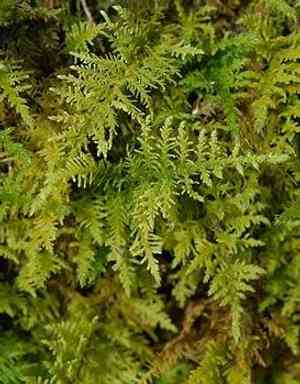
Brocade moss (Hypnum imponens)
Also known as: Pellucid plait-moss
Brocade moss (Hypnum imponens) is named for its intricate, embroidery-like appearance. This moss typically forms extensive mats on decaying logs and other moist substrates. It is classified as a "feather moss" due to its delicate, feathery leaf structure.
In This Article
Attributes of Brocade moss
Lifespan
Perennial
Plant Type
Moss
Plant Height
3 cm to 10 cm
Spread
Not applicable
Leaf Color
Green
Flower Size
Not applicable
Flower Color
Not applicable
Images of Brocade moss
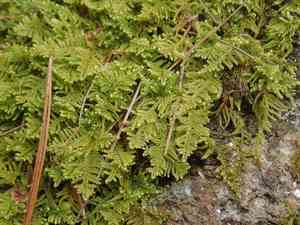
Quickly Identify Brocade moss
1
Hypnum imponens can be identified by its dense, green mat-like growth. It has fine, smooth leaves that are deeply grooved and often curve back. The stems are slender and creeping, and the moss emits a distinctive, mild earthy aroma.
Scientific Classification of Brocade moss
Phylum
Mosses
Class
True mosses
Order
Hypnales
Family
Hypnaceae
Genus
Hypnum mosses
Species
Brocade moss
Planting and Growing of Brocade moss
Care Difficulty
Easy
Watering Schedule
Every 4 days
Sunlight Requirements
Partial sun
Sunshine Duration
6-8 hours
Ideal Temperature
50-70℉
Soil Type
Potting Mix, Peat Mix
Soil pH
5.5-6.5
Fertilizer Type
Balanced
Pruning Season
Spring, Summer
Pruning Area
Branches, Leaves
Pruning Frequency
2 times a year
Repotting Season
Spring
Pot Type
Ceramic, Plastic
 How to Water Brocade moss?
Hypnum imponens needs just enough water to keep the soil consistently moist, but not soggy. Watering should be done until the soil feels damp about an inch deep but avoid making it waterlogged.
What are the symptoms of an underwatered Brocade moss?
›
What should I do if my Brocade moss is not getting enough water?
›
What are the symptoms of an overwatered Brocade moss?
›
How to save an overwatered Brocade moss?
›
 What Are the Sunlight Requirements for Brocade moss?
Hypnum imponens prefers partial sun, which results in optimal growth, maintaining its lush green appearance and promoting robust health.
What is the optimal light level for Hypnum imponens?
›
How do I achieve the ideal light conditions for Hypnum imponens?
›
What are the benefits of ideal lighting conditions for Hypnum imponens?
›
 What Is the Ideal Temperature Range for Brocade moss?
Hypnum imponens thrives best in temperatures ranging from 50°F to 70°F. This range ensures optimal growth by maintaining consistent enzymatic activities and nutrient absorption, creating an ideal environment for this moss. Greenhouses or protected outdoor setups can be great for ensuring these conditions are consistently met.
 What Soil is Best for Brocade moss?
Hypnum imponens thrives in soil that retains moisture without becoming waterlogged. This helps maintain a consistent level of hydration crucial for its growth while also preventing root rot that can occur if the soil is too wet for prolonged periods. A nutrient-rich soil supports the lush green appearance of Hypnum imponens by providing essential minerals and nutrients. Well-decayed organic matter or compost integrated into the soil enhances its fertility, promoting healthy growth and robust foliage. Good drainage is essential to prevent root suffocation and other water-related problems. Soil with proper drainage leaves enough air spaces for roots to 'breathe,' thus avoiding conditions that lead to fungal infections.
 How to Fertilize Brocade moss?
When fertilizing Hypnum imponens, it is crucial to adopt a balanced approach. Use a diluted liquid fertilizer, approximating a quarter-strength of the standard concentration. Apply around 2 grams per liter of water, ensuring not to overwhelm the plant with excessive nutrients.
 How to Prune Brocade moss?
Over-pruning can harm Hypnum imponens by removing too much of its photosynthetic area. Ensure that you are only removing truly dead or diseased parts and avoid excessive cutting into the green portions of the plant. This helps maintain the moss's resilience and overall vitality, ensuring it remains lush and green throughout the growing season. Hypnum imponens is delicate, so handle it with care during pruning to prevent unnecessary damage. Gently press the moss down with one hand while you trim with the other to minimize disturbance. This careful approach ensures the root-like structures remain intact, preserving the moss’s integrity and ensuring continued, robust growth.
 How to Propagate Brocade moss plant?
1
Choose healthy and robust parent plants. Ensure they show no signs of disease or pest infestation, as these can be transmitted during propagation.
2
Carefully lift the plant from the ground, using a shovel or spade. Gently shake off excess soil and use a knife to split the root mass into smaller sections, each with roots and shoots.
3
Replant the newly divided sections back into suitable soil conditions. Space them adequately to allow for growth. Water immediately to help settle the soil.
 How to Repot Brocade moss plant?
1
Look for signs such as roots growing out of the drainage holes, compacted soil, or slowed growth. If you observe these signs, it's time to consider repotting. Optimal timing is critical to prevent stress on Hypnum imponens.
2
Select a pot slightly larger than the current one to provide room for growth but not too large, as excess soil can retain too much water. A pot with good drainage is vital to prevent waterlogging, which is important for maintaining healthy roots.
3
Opt for a peat-based soil mixture that retains moisture but allows good drainage. This type of soil supports Hypnum imponens' growth by offering the right balance of nutrients and air circulation, promoting a healthy root system.

