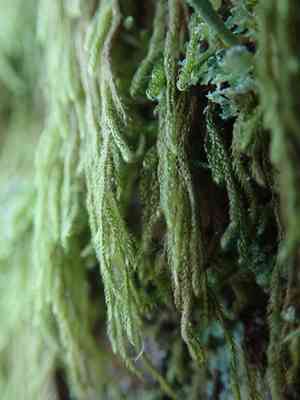
Hypnum moss (Hypnum circinale)
Also known as: Circinate Hypnum Moss
A suitable plant for damp, shaded environments is the fern, known for its lush, feathery fronds. These plants flourish in moist, low-light conditions and create a vibrant green understory. Ferns also play a crucial role in supporting microfauna by offering a hospitable habitat within their dense foliage.
In This Article
Attributes of Hypnum moss
Lifespan
Perennial
Plant Height
3-10 cm
Spread
N/A
Leaf Color
Green
Flower Size
N/A
Flower Color
N/A
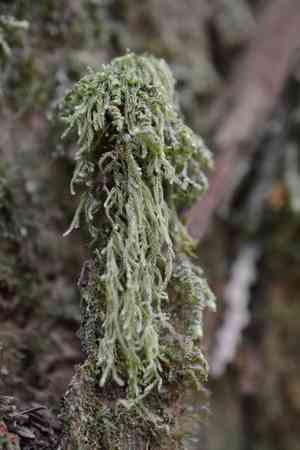
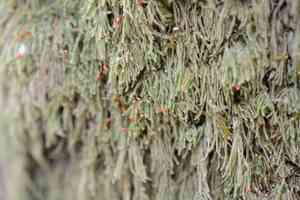
Images of Hypnum moss


Quickly Identify Hypnum moss
1
Hypnum circinale can be identified by its soft, green, and somewhat shiny appearance. The leaves are arranged in a circinate manner, meaning they curve inwardly at the tips, and the stems are typically slender and creeping.
Scientific Classification of Hypnum moss
Phylum
Bryophyta
Class
Bryopsida
Order
Hypnales
Family
Hypnaceae
Genus
Hypnum
Planting and Growing of Hypnum moss
Care Difficulty
Moderate
Watering Schedule
Every 2 days
Sunlight Requirements
Full shade
Sunshine Duration
4-8 hours
Ideal Temperature
45-65℉
Soil Type
Potting Mix, Peat Mix
Soil pH
5.5-7
Fertilizer Type
Balanced
Pruning Season
Spring, Summer
Pruning Area
Branches, Leaves
Pruning Frequency
2 times a year
Repotting Season
Spring
Pot Type
Plastic, Terracotta
 How to Water Hypnum moss?
When watering Hypnum circinale, it is essential to ensure that the moss is adequately moist without being soggy. The principle is to provide enough water so that the substrate feels slightly damp to the touch but not waterlogged. Avoid creating standing water as this could lead to root rot or other moisture-related issues.
What are the symptoms of an underwatered Hypnum moss?
›
What should I do if my Hypnum moss is not getting enough water?
›
What are the symptoms of an overwatered Hypnum moss?
›
How to save an overwatered Hypnum moss?
›
 What Are the Sunlight Requirements for Hypnum moss?
Hypnum circinale flourishes best in environments with partial shade, benefiting immensely from the moderate light levels typical of a forest canopy. This light range supports vigorous growth and maintains moisture balance, crucial for moss health.
Preferred Environment
›
Obtaining Ideal Light
›
Benefits of Adequate Lighting
›
 What Is the Ideal Temperature Range for Hypnum moss?
The ideal temperature range for Hypnum circinale is between 45°F and 65°F. These conditions are optimal as they mimic the plant's natural environment, allowing for healthy growth and vibrant foliage. Keeping within this range ensures that the plant can photosynthesize efficiently and maintain its metabolic activities without stress.
 What Soil is Best for Hypnum moss?
Hypnum circinale thrives in moist environments, so a soil that retains moisture well is critical. This ensures that the plant remains hydrated, supporting lush and vibrant growth. A rich mix of organic matter is essential for Hypnum circinale, providing nutrients that support optimal growth and help the plant maintain its vivid green color. While moisture retention is crucial, soil needs to drain excess water efficiently to prevent root rot in Hypnum circinale, ensuring a balanced environment.
 How to Fertilize Hypnum moss?
Hypnum circinale benefits from a balanced fertilizer, applied lightly. Typically, a concentration of 1/4 of the standard dose for household plants is sufficient. Avoid over-fertilizing to prevent nutrient build-up, which can harm the plant's delicate structures.
 How to Prune Hypnum moss?
Start by examining the plant carefully. Identify any brown or dead leaves and stems, as well as those parts that are overgrown. These are the areas that will benefit most from pruning. Begin trimming the identified areas using your shears, making cuts at a slight angle to promote better healing and water runoff. Aim to create a shape that follows the natural growth pattern of the plant. After completing the pruning process, ensure to disinfect your tools with alcohol or a diluted bleach solution. This step prevents any potential transfer of pathogens to other plants in your garden.
More About Pruning Techniques→
 How to Propagate Hypnum moss plant?
1
Choose a robust Hypnum circinale with well-developed foliage and no signs of disease. Healthy plants increase the likelihood of successful propagation.
2
Carefully remove the plant from its pot, gently brushing away excess soil. Directly observe the roots and ensure they are healthy before division.
3
Using the sharp knife, make clean cuts to separate the plant into sections, ensuring each section has roots and foliage. Handle each division with care to avoid damage.
 How to Repot Hypnum moss plant?
1
Hypnum circinale should be repotted when its growth slows, roots grow outside the current pot, or the soil appears compacted. These are signs that the plant requires more room or fresh nutrients to continue thriving. Opt for repotting during the early signs to prevent stress on the plant.
2
Choose a pot that has adequate drainage holes and is slightly larger than the current one. This allows room for root expansion and prevents waterlogging, which can lead to root rot. The material of the pot can be ceramic or plastic, depending on preference, as both offer distinct benefits in terms of moisture retention and weight.
3
Select a soil mix that retains moisture yet drains well. A combination of organic matter such as peat and inorganic components like sand or perlite ensures good aeration and prevents water stagnation. Such a soil mix mimics the plant's natural habitat, promoting healthy root growth.


