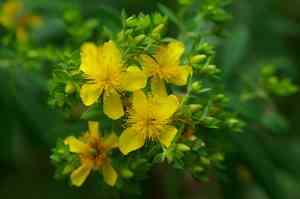
Fivelobe St. John's wort (Hypericum lobocarpum)
Also known as: Loblolly St. John's-wort, Loblolly Hypericum
Fivelobe St. John's Wort (Hypericum lobocarpum) is a hardy perennial known for its adaptability and bright yellow blooms. It flourishes in well-drained soil and can be found in open woodlands and grassy regions. This plant sports dark-green, ovate leaves that highlight its numerous stamens. Its low-growing, spreading nature makes it an attractive ground cover. The plant is versatile and can adjust to different environmental conditions, thriving in both full sun and partial shade. Suitable for USDA zones 5-9, it requires minimal care, needing just occasional watering and pruning to maintain its form.
In This Article
Attributes of Fivelobe St. John's wort
Lifespan
Perennial
Plant Type
Shrub
Plant Height
Up to 1.5 meters
Spread
Approximately 1 meter
Leaf Color
Green
Flower Size
Approximately 2-3 cm
Flower Color
Bright yellow
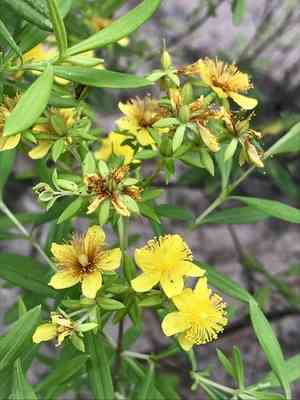
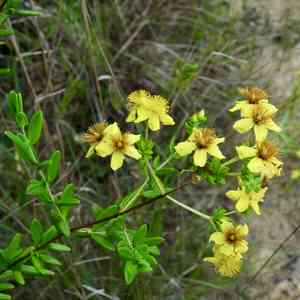
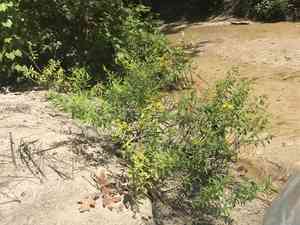
Images of Fivelobe St. John's wort
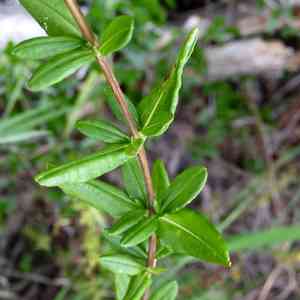
Quickly Identify Fivelobe St. John's wort
1
Hypericum lobocarpum can be identified by its bright yellow flowers, which have numerous stamens, and its elliptical leaves. The plant usually grows in wetland areas and can reach heights of up to 1.5 meters.
Scientific Classification of Fivelobe St. John's wort
Phylum
Vascular plants
Class
Dicotyledons
Order
Malpighiales
Family
St. John's wort
Genus
St. John's worts
Species
Fivelobe St. John's wort
Planting and Growing of Fivelobe St. John's wort
Care Difficulty
Moderate
Watering Schedule
Every 3 days
Sunlight Requirements
Full sun
Sunshine Duration
6-12 hours
Ideal Temperature
60-75℉
Soil Type
Potting Mix, Peat Mix
Soil pH
6.5-7.5
Fertilizer Type
Balanced
Pruning Season
Spring, Summer
Pruning Area
Branches, Leaves
Pruning Frequency
2 times a year
Repotting Season
Spring
Pot Type
Plastic, Terracotta
 How to Water Fivelobe St. John's wort?
For Hypericum lobocarpum, water until the soil is thoroughly moist but not waterlogged. This plant appreciates consistent moisture, especially in active growth periods, so aim for 500 ml per watering session.
What are the symptoms of an underwatered Fivelobe St. John's wort?
›
What should I do if my Fivelobe St. John's wort is not getting enough water?
›
What are the symptoms of an overwatered Fivelobe St. John's wort?
›
How to save an overwatered Fivelobe St. John's wort?
›
 What Are the Sunlight Requirements for Fivelobe St. John's wort?
Hypericum lobocarpum's ideal light is full sun exposure for up to 6 hours. This range enhances metabolic processes, inciting improved flowering and strong structural development alongside increased disease resistance.
What is the ideal lighting condition?
›
How can I provide ideal lighting?
›
What benefits does ideal lighting bring?
›
 What Is the Ideal Temperature Range for Fivelobe St. John's wort?
For optimal growth, Hypericum lobocarpum thrives in temperatures ranging from 60°F to 75°F. This range supports not only robust plant health but also encourages vibrant flowering periods. Maintaining this temperature helps ensure the plant has adequate energy for photosynthesis while supporting overall vitality.
 What Soil is Best for Fivelobe St. John's wort?
Hypericum lobocarpum thrives in well-draining soils that prevent waterlogging, which can lead to root rot. A sandy loam or loam is perfect, as it allows excess water to drain away quickly, keeping the plant's roots healthy and oxygenated. This plant does best in moderately fertile soils, which provide necessary nutrients without causing excessive growth. Balanced nutrients help maintain its beautiful natural form and promote vibrant yellow blooms. While drainage is crucial, the soil should also retain some moisture to keep the plant hydrated. Loamy soils retain adequate moisture without becoming waterlogged, assisting in sustained growth and flowering.
 How to Fertilize Fivelobe St. John's wort?
For Hypericum lobocarpum, start with half the recommended dose of liquid fertilizer, about 1 tablespoon per gallon of water. Gradually increase as needed, observing plant response to ensure optimal nutrient intake.
 How to Prune Fivelobe St. John's wort?
Begin by removing any dead or damaged branches. Follow by cutting back about one-third of the oldest branches at the base to rejuvenate the plant. Then, shape the shrub by trimming back any overly long or unruly shoots to your desired size, ideally just above a leaf node to encourage new growth. Prune right after the plant has finished flowering in the late spring or summer. Cut back the spent flowers meticulously and thin out the central stems to enhance air circulation. This will facilitate sunlight reaching the center of the plant and provide the energy needed for robust flowering in the subsequent seasons.
More About Pruning Techniques→
 How to Propagate Fivelobe St. John's wort plant?
1
Harvest seeds from mature Hypericum lobocarpum plants when the seed pods have dried. Gently open the pods and extract the seeds, ensuring they are free from any plant debris before storing them.
2
Select healthy and disease-free branches for cuttings. Cut a stem about 4-6 inches long just below a node, and remove the leaves from the lower half of the cutting to reduce transpiration.
3
For seeds, sow them in a seed tray with moist, well-draining soil. For cuttings, dip the cut end in a rooting hormone before planting in soil or a growing medium.
 How to Repot Fivelobe St. John's wort plant?
1
The best time to repot Hypericum lobocarpum is when you notice that the roots are circling the pot, indicating it's becoming root-bound. Additionally, if water drains too quickly or too slowly, it's a sign to consider repotting. Spring and autumn are ideal seasons for this task when the plant’s energy is focused on growth and recovery.
2
Select a pot that is 1-2 inches larger in diameter than the current one. This provides ample space for root expansion and encourages healthy growth without overwhelming the plant with too much soil. A pot with drainage holes is essential to prevent waterlogging and root rot.
3
Choose a well-draining potting mix that mimics the natural habitat of the plant. A mix containing organic matter, sand, and perlite facilitates drainage and ensures the roots have access to the necessary nutrients. Good soil promotes better health and more vibrant growth for the plant.



