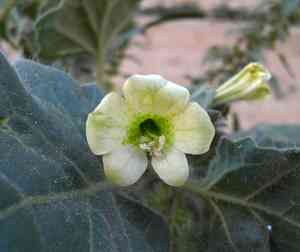
Henbanes (Hyoscyamus) (Hyoscyamus)
Also known as: Henbane, Black Henbane, Stinking Nightshade
Henbane plants, belonging to the Hyoscyamus genus, are known for their toxic properties. They originate from Europe, North Africa, and Western Asia, though they have spread to other regions. Certain species can become invasive, posing a threat to commercial seed crops by producing large quantities of seeds that can contaminate and diminish crop quality. This contamination necessitates additional control efforts and can impact the marketability and safety of the crops.
In This Article
Attributes of Henbanes (Hyoscyamus)
Lifespan
Biennial
Plant Height
30 to 100 cm
Spread
Variable, generally up to 50 cm
Leaf Color
Green with a hairy surface
Flower Size
2 to 5 cm
Flower Color
Yellow with purple veins
Images of Henbanes (Hyoscyamus)
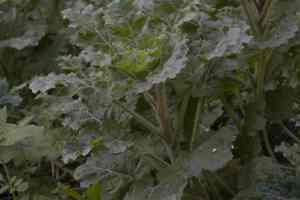
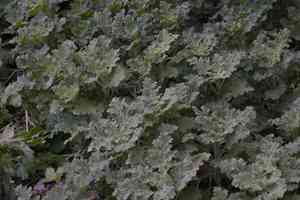
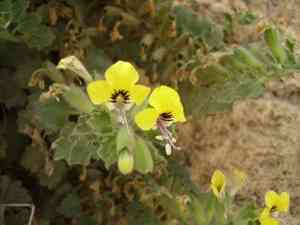
Quickly Identify Henbanes (Hyoscyamus)
1
Hyoscyamus plants can be identified by their hairy and sticky leaves, strong and unpleasant odor, and distinctive yellow flowers with purple veins. They often grow in disturbed soils such as roadsides and waste places.
Scientific Classification of Henbanes (Hyoscyamus)
Phylum
Magnoliophyta
Class
Magnoliopsida
Order
Solanales
Family
Solanaceae
Genus
Hyoscyamus
Planting and Growing of Henbanes (Hyoscyamus)
Care Difficulty
Moderate
Watering Schedule
Every 2 days
Sunlight Requirements
Partial sun
Sunshine Duration
6-12 hours
Ideal Temperature
60-75℉
Soil Type
Potting Mix, Peat Mix
Soil pH
6.5-7.5
Fertilizer Type
Balanced
Pruning Season
Spring, Summer
Pruning Area
Branches, Leaves
Pruning Frequency
2 times a year
Repotting Season
Spring
Pot Type
Plastic, Ceramic
 How to Water Henbanes (Hyoscyamus)?
For Hyoscyamus, which thrives in drier environments, aim for around 250 ml per watering session. The key principle is to moisten the soil without making it soggy. Ensure that the soil is evenly wet but not waterlogged, as too much water can harm the plant's roots.
What are the symptoms of an underwatered Henbanes (Hyoscyamus)?
›
What should I do if my Henbanes (Hyoscyamus) is not getting enough water?
›
What are the symptoms of an overwatered Henbanes (Hyoscyamus)?
›
How to save an overwatered Henbanes (Hyoscyamus)?
›
 What Are the Sunlight Requirements for Henbanes (Hyoscyamus)?
Hyoscyamus prefers partial to full sun. Consistently meeting this range ensures strong growth, vibrant leaves, and abundant flowering, as proper light exposure supports essential physiological processes.
What is the best light condition for Hyoscyamus?
›
How can I achieve ideal light conditions for Hyoscyamus indoors?
›
Why is ideal lighting essential for Hyoscyamus?
›
 What Is the Ideal Temperature Range for Henbanes (Hyoscyamus)?
Hyoscyamus thrives best within a temperature range of 60°F to 75°F. This temperature range allows the plant to efficiently carry out its photosynthetic activities, ensuring healthy growth and development. Maintaining this temperature range helps in the synthesis of vital biomolecules which are essential for the plant's survival.
 What Soil is Best for Henbanes (Hyoscyamus)?
Hyoscyamus requires well-drained soil to prevent root rot and ensure healthy growth. Proper drainage allows excess water to escape, reducing the risk of fungal infections and encouraging strong root development. This plant thrives in soil rich in organic matter and nutrients. Such soil supports robust plant growth and leaf development, ensuring the plant receives essential minerals needed for photosynthesis and metabolic processes. Hyoscyamus prefers soil that retains moderate moisture without becoming waterlogged. This balance prevents drought stress while avoiding conditions that could lead to root diseases, ultimately promoting sustained plant vitality.
 How to Fertilize Henbanes (Hyoscyamus)?
For Hyoscyamus, use a balanced water-soluble fertilizer diluted to half strength to prevent nutrient burn. Typically, a concentration of 10-10-10 NPK is suitable. Be attentively generous, ensuring the application isn't overly concentrated.
 How to Prune Henbanes (Hyoscyamus)?
To encourage more blooms and prevent the plant from becoming scraggly, regularly remove spent flowers by pinching them off at their base. If the Hyoscyamus grows too tall or begins to lean, cut back the stems by up to a third to maintain an upright and compact shape. Trim away any damaged or diseased leaves and stems. This ensures the plant stays healthy and reduces the spread of potential illnesses within the plant. Hyoscyamus can be toxic. Always wear gloves when handling the plant to protect your skin from irritation, and ensure that pets and children do not ingest any parts.
 How to Propagate Henbanes (Hyoscyamus) plant?
1
Fill the seed tray with a well-draining seed-starting mix. Moisten the mix lightly but do not soak it. Spread the Hyoscyamus seeds evenly on the soil surface and press them lightly into the soil. Cover the seeds with a thin layer of vermiculite.
2
Select a healthy Hyoscyamus stem that is free from disease or pests. Use sharp pruners to cut a 4-6 inch section from the stem. Remove any leaves from the bottom half of the cutting to reduce water loss.
3
Dip the cut end of the Hyoscyamus cutting in rooting hormone powder to stimulate root growth. Plant the cutting in a pot filled with moist, well-draining soil, ensuring it is deep enough to stand upright. Cover with a plastic bag to maintain humidity.
 How to Repot Henbanes (Hyoscyamus) plant?
1
Hyoscyamus needs repotting when you notice roots growing out of the drainage holes, or when the plant's growth has significantly slowed down. Spring and summer are ideal as the plant is actively growing and can recover swiftly from any root disturbance.
2
Opt for a pot that is slightly larger than the current one, with adequate drainage holes. A clay or terracotta pot is preferred as it offers good aeration and helps prevent root rots by drying out the soil more quickly than plastic pots.
3
A well-draining sandy soil mix is essential for Hyoscyamus. This type of soil mimics its natural habitat and ensures that water can drain easily, reducing the risk of root rot while providing necessary nutrients to the plant.
Toxicity
Ingestion, Inhalation, Skin Contact
WARNING
The judgment on toxicity and danger is for reference only. We DO NOT GUARANTEE any accuracy of such judgment. Therefore, you SHALL NOT rely on such judgment. It is IMPORTANT TO SEEK PROFESSIONAL ADVICE in advance when necessary.
Learn More About Henbanes (Hyoscyamus) Diseases
Bacterial Leaf Spot
Bacterial Soft Rot
Bacterial Wilt
Crown Gall
Cyst Nematode
Damping-off
Downy Mildew
Drought Stress
Fusarium Wilt
Gray Mold
Leaf Curl
Leaf Spot
Mosaic
Nutrient Deficiency
Nutrient Toxicity
Powdery Mildew
Root Rot
Root-knot Nematode
Rusts
Sooty Mold
Spider Mites
Temperature Stress
Thrips Damage
White Mold

