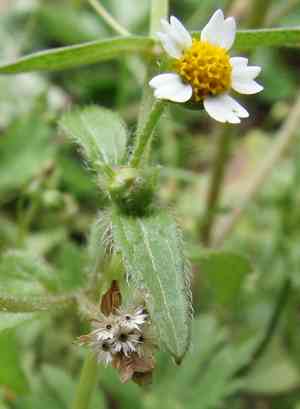
Oldplainsman (Hymenopappus artemisiifolius)
Also known as: Old Plainsman, Woolly-white, Groundstar, Hymenopappus artemisiaefolius
Hymenopappus artemisiifolius is a biennial herb that can reach heights of up to 1 meter. It typically produces between 20 to 60 flower heads on each stem. Each flower head contains 40 to 60 disc florets, which can range in color from white or yellow to purple or red. Notably, these flower heads do not have ray florets.
In This Article
Attributes of Oldplainsman
Lifespan
Annual
Plant Type
Herb
Plant Height
91 cm to 1.8 m
Spread
Approximately 30 cm (12 inches)
Leaf Color
Grayish-green to whitish
Flower Size
About 2 cm (0.8 inches)
Flower Color
Yellow
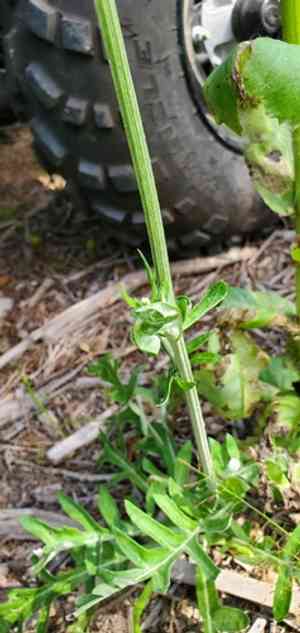
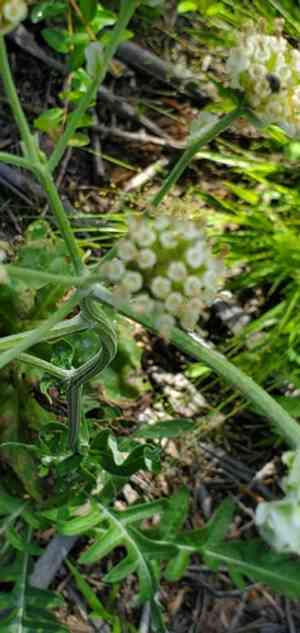
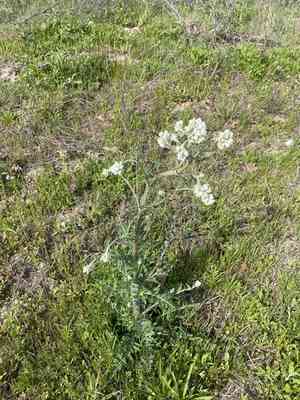
Images of Oldplainsman
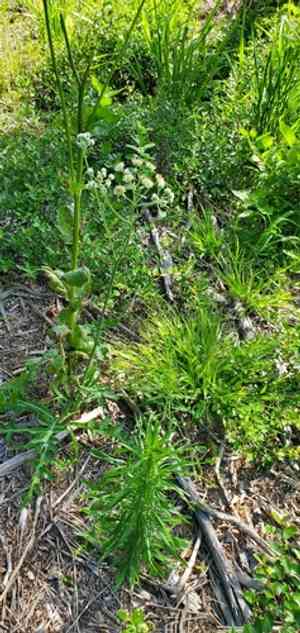
Quickly Identify Oldplainsman
1
To identify Hymenopappus artemisiifolius, look for its distinctive whitish, woolly foliage that resembles the leaves of artemisia. Also, note the height of the plant, which can range from 30 to 90 cm, and the small yellow flowers that form in clusters.
Scientific Classification of Oldplainsman
Phylum
Vascular plants
Class
Dicotyledons
Order
Asterales
Family
Daisy
Genus
Woollywhites
Species
Oldplainsman
Planting and Growing of Oldplainsman
Care Difficulty
Easy
Watering Schedule
Every 2 days
Sunlight Requirements
Full sun
Sunshine Duration
6-8 hours
Ideal Temperature
60-75℉
Soil Type
Potting Mix, Peat Mix
Soil pH
6.5-7.5
Fertilizer Type
Balanced
Pruning Season
Spring, Summer
Pruning Area
Branches, Leaves
Pruning Frequency
2 times a year
Repotting Season
Spring
Pot Type
Plastic, Ceramic
 How to Water Oldplainsman?
For Hymenopappus artemisiifolius, it's best to water until the soil is evenly moist, but not soggy. This typically translates to about 250 milliliters of water, ensuring you allow excess water to drain away to prevent root rot.
What are the symptoms of an underwatered Oldplainsman?
›
What should I do if my Oldplainsman is not getting enough water?
›
What are the symptoms of an overwatered Oldplainsman?
›
How to save an overwatered Oldplainsman?
›
 What Are the Sunlight Requirements for Oldplainsman?
Hymenopappus artemisiifolius flourishes in full sun, granting it robust structure and plentiful blooms, enhancing its overall health and resilience.
How much sunlight does it need?
›
What are the solutions for optimal sunlight?
›
What are the benefits if it receives ideal sunlight?
›
 What Is the Ideal Temperature Range for Oldplainsman?
The ideal temperature range for Hymenopappus artemisiifolius is between 60°F and 75°F. This range provides optimal conditions for growth, ensuring that metabolic processes are efficiently carried out, and the plant experiences minimal stress. Keeping the temperature within this range is crucial for maximizing photosynthesis and nutrient uptake, leading to robust plant health.
 What Soil is Best for Oldplainsman?
Hymenopappus artemisiifolius thrives in well-drained soil that prevents waterlogging. Proper drainage ensures that the roots receive the necessary oxygen, which promotes healthy growth and prevents root rot. This plant is adapted to nutrient-poor conditions, making it perfect for areas where soil fertility is low. It has developed efficient nutrient uptake strategies, allowing it to survive and flourish without needing high fertility. Although drought-tolerant, providing moderate soil moisture helps this plant maintain optimal health and blossom production. Keep the soil slightly moist, but avoid excessive watering to reduce stress on the plant.
 How to Fertilize Oldplainsman?
Hymenopappus artemisiifolius typically requires a balanced fertilizer diluted to half the strength recommended on the packaging. For liquid fertilizers, apply about 100 ml per plant, ensuring not to exceed this to avoid root burn.
 How to Prune Oldplainsman?
Begin by removing dead, damaged, or diseased stems with clean, sharp shears. Then, trim back any overly lengthy branches to promote bushier growth. Finish by shaping the plant to enhance its natural form, ensuring even light distribution. A good pair of pruning shears is essential for cutting cleanly without damaging the plant tissue. Ensure your tools are sharp and sanitized before use to prevent infection.
More About Pruning Techniques→
 How to Propagate Oldplainsman plant?
1
Gather seeds from mature Hymenopappus artemisiifolius plants. Wait until the flowers have fully bloomed and start to wither, as this is usually when seeds are ready for collection.
2
Prior to sowing or planting cuttings, prepare a well-draining soil mix. Ensure the soil is loose and airy to facilitate good root development and prevent waterlogging.
3
Sow the seeds or plant cuttings in the prepared soil. Cover seeds lightly with soil, and ensure cuttings have stable contact with the soil to support rooting.
 How to Repot Oldplainsman plant?
1
Repot Hymenopappus artemisiifolius when you notice its roots emerging from the drainage holes or when its growth significantly slows down. Another clear sign is when the soil dries out faster than usual, indicating that the plant has become root-bound.
2
Select a pot that is 1-2 inches larger in diameter than the current pot, with adequate drainage holes to prevent waterlogging. A terra-cotta pot is ideal, as it allows air circulation around the roots, promoting healthy growth.
3
Choose a well-draining, sandy soil mix to mimic the plant's natural environment. This type of soil prevents water retention, reducing the risk of root rot while providing excellent aeration for the roots.
Learn More About Oldplainsman Diseases
Anthracnose
Bacterial Leaf Spot
Bacterial Wilt
Chemical Injury
Crown Gall
Damping-off
Downy Mildew
Drought Stress
Fusarium Wilt
Gray Mold
Leaf Curl
Leaf Spot
Mosaic
Nutrient Deficiency
Nutrient Toxicity
Powdery Mildew
Root Rot
Root-knot Nematode
Rusts
Sooty Mold
Spider Mites
Temperature Stress
Thrips Damage
White Mold


